
What was here?
The town’s first voluntary hospital: a three-storey brick building that looked like a Georgian country house, set in its own grounds off Summer Lane, with two wings added in 1790.
History
A town without a hospital
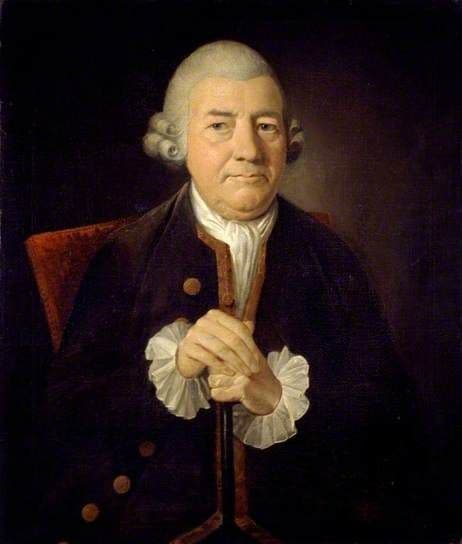
In the 1760s Birmingham was one of the busiest manufacturing towns in England, and it had no general hospital. In 1765 the physician Dr John Ash launched a campaign to build one, paid for by voluntary subscriptions.
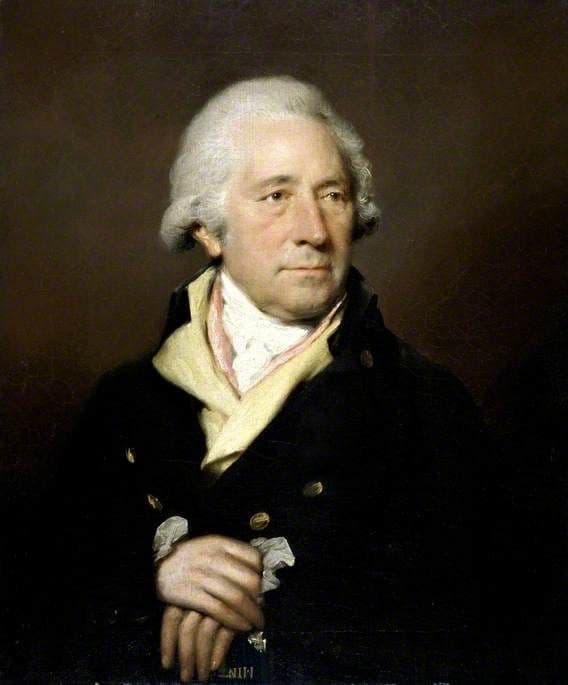
Matthew Boulton was involved from the start. Later accounts list him on the 1765 committee alongside other leading townsmen, among them Samuel Garbett, John Baskerville and Sampson Lloyd. Land was bought beside Summer Lane.
Half built
Then the money ran out. The Victoria County History says the building “remained half built from 1769 to 1776”. Something had to be done to raise funds, and the answer was music. In September 1768 a festival of concerts was held for the hospital, partly in St Philip’s Church and partly in the theatre then in King Street. Another series followed in 1778, and from 1796 the festivals became a regular triennial event that funded the hospital for more than a century.
Whose idea it was depends on the source. A 2009 book on Boulton, as cited on Wikipedia, says he, a great admirer of Handel, conceived the festival. Showell’s Dictionary of 1885 gives the credit to a local musician, Mr Kempson, and quotes the hospital’s minute book for 3 May 1768 resolving on “a musical entertainment”. Boulton was certainly a supporter; whether he was the inventor is less clear.
Opening day
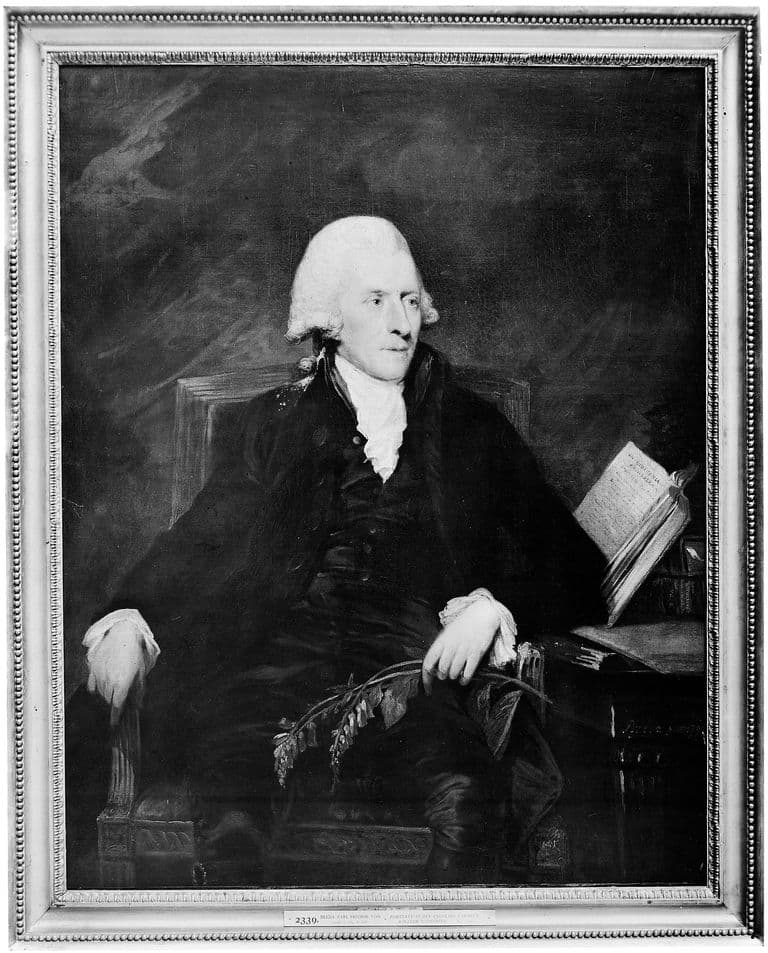
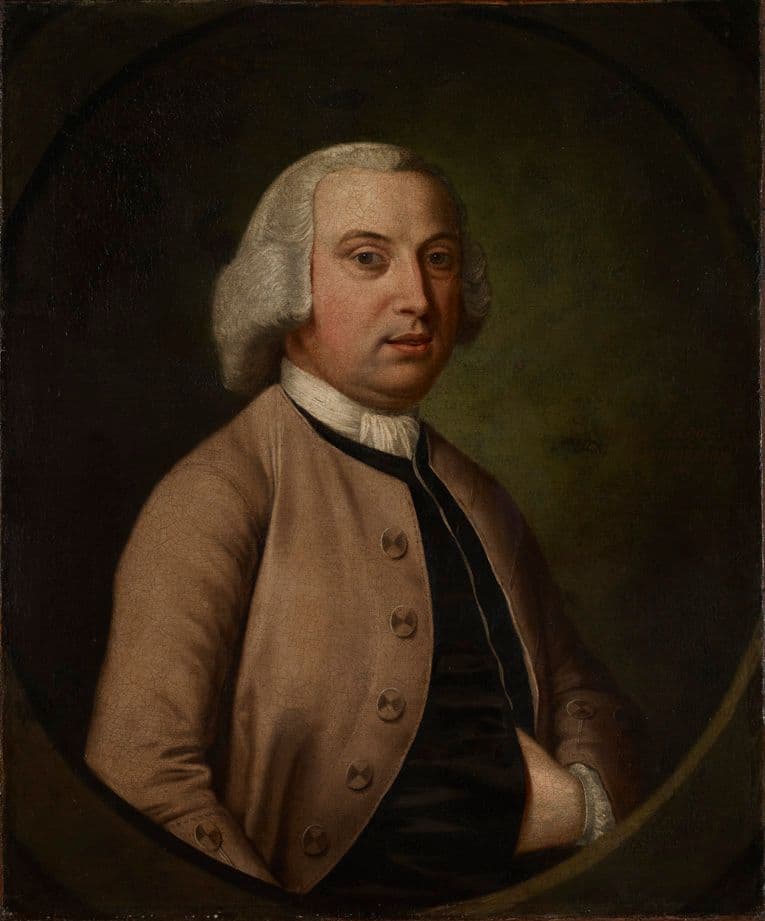
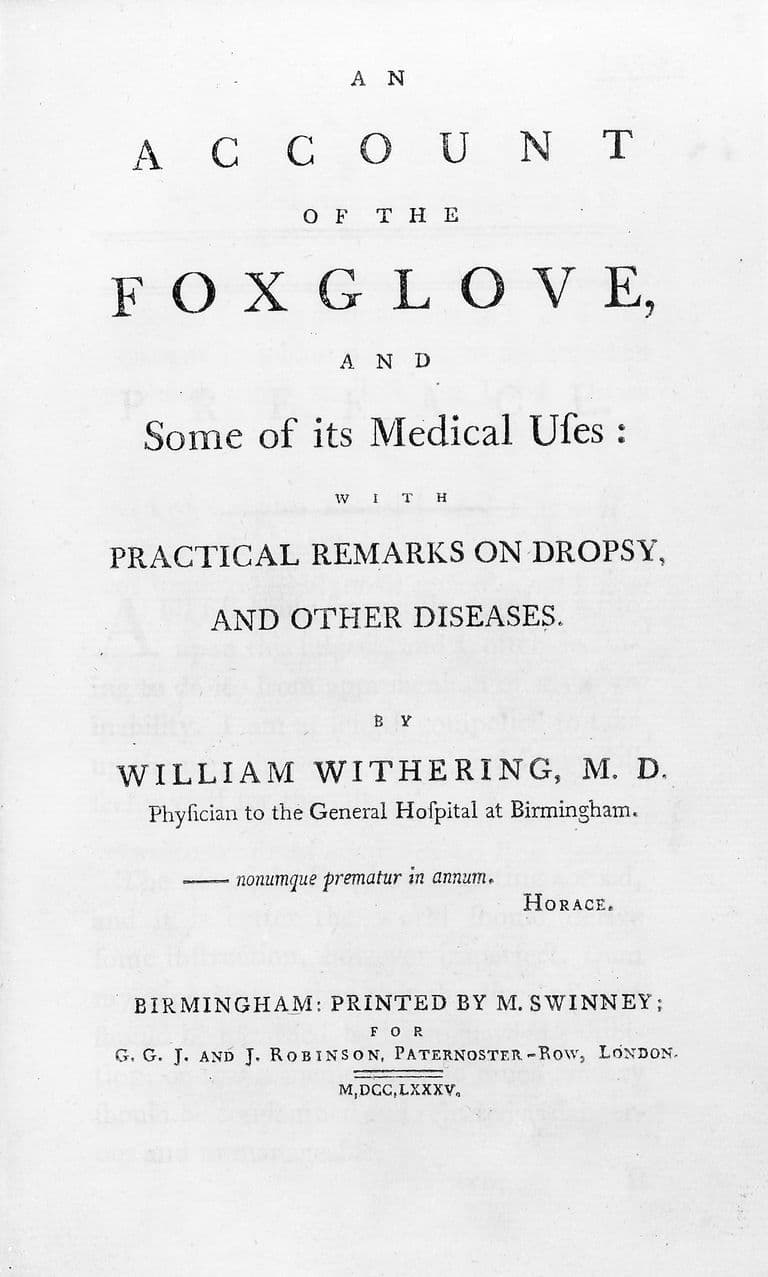
The hospital finally opened on 20 September 1779 with 40 beds. The building cost £7,140, according to Showell. Thomas Hanson’s plan of the town, published the year before, shows it in an inset: a plain block of nine bays and three storeys with a central pediment, linked by walls to two small pavilions with cupolas. Dr William Withering, Boulton’s friend in the Lunar Society, was among the doctors on its staff. In 1788 Joshua Reynolds painted John Ash holding the plan of the hospital, with the building in the distance.
The same spot, then and now
1888–1913
Today
Old map: Ordnance Survey six-inch, reproduced with the permission of the National Library of Scotland (CC BY 4.0). Today: © OpenStreetMap contributors.
Wings were added in 1790, and more beds were endowed in 1792. Boulton later left the hospital a legacy. The building grew through the 19th century until, in 1897, the hospital moved to a large new building in Steelhouse Lane, and the Summer Lane building was cleared.
It began as a half-built shell that the town could not afford. Music, subscriptions and men like Boulton turned it into the General Hospital, which served Birmingham well into the 20th century.
What happened here?
The General Hospital treated patients here from 1779 to 1897. Matthew Boulton served on the founding committee of 1765, supported the fund-raising music festivals and left the hospital a legacy.
Why it mattered
It was Birmingham’s first general hospital and the start of the General Hospital that served the city for generations. The festivals held to support it became the Birmingham Triennial Music Festival.
Why it disappeared
Redevelopment
The hospital outgrew the site and moved to a new building in Steelhouse Lane, completed in 1897. The old buildings were cleared soon afterwards; the site was empty on the early 20th-century Ordnance Survey map.
What’s there now
What replaced it
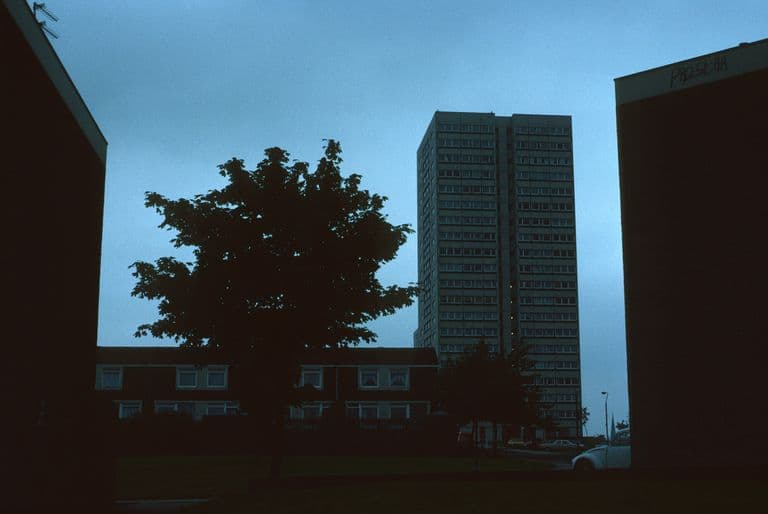
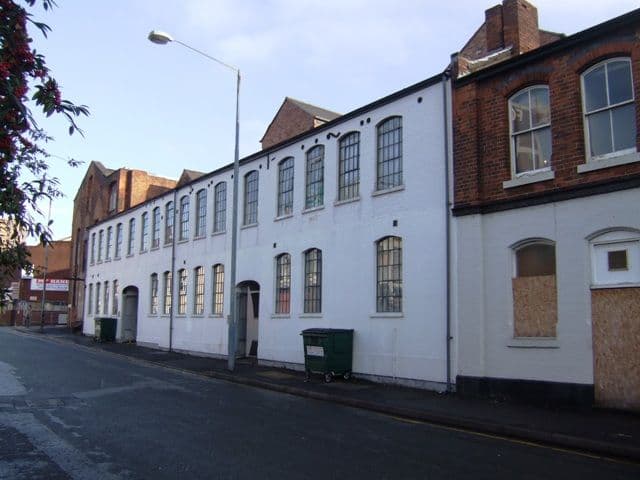
Later buildings on the cleared site, now modern buildings between Summer Lane, Lower Loveday Street and the canal.
What survives
Nothing of the building. Hospital Street nearby is said to take its name from it. Hanson’s 1778 plan shows its elevation.
Today
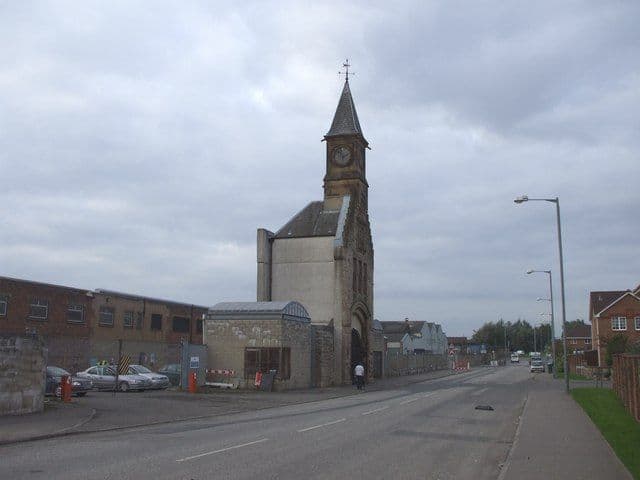
Go to Summer Lane where it meets Lower Loveday Street, north of the Gun Quarter. The hospital and its grounds ran back from Summer Lane towards the canal basin. Modern buildings cover the site.
Sources and further reading
Boulton’s role: his place on the 1765 committee comes from Wikipedia, citing a 2010 Birmingham Mail article; Loggie says only that he was involved in the campaign. Mason (2009, via Wikipedia) credits Boulton with the idea of the 1768 festival; Showell credits the musician Kempson. Both are given. Building dates: the Victoria County History gives 1769–79 in one place and ‘half built from 1769 to 1776’ in another; Showell says first steps were taken in 1766. Wings: 1790 (Victoria County History), ‘enlarged in 1792’ (Showell). The legacy is recorded in Loggie’s appendix, which names Heneage Legge as trustee of Boulton’s legacies to the hospital and the Dispensary; the amount is not given. The date the old building was demolished is not known. The other 1765 committee members named here (Garbett, Baskerville, Lloyd) come from the same Wikipedia source. Hospital Street’s naming after the hospital, and a blue plaque on Centro House on the site, are reported by Wikipedia and have not been checked.
- A History of the County of Warwick, vol. 7: The City of Birmingham — Secular Architecture, pp. 43–57 — W. B. Stephens (ed.), Victoria County History, 1964. General Hospital, Summer Lane
- A History of the County of Warwick, vol. 7: The City of Birmingham — Local Government and Public Services, pp. 318–353 — W. B. Stephens (ed.), Victoria County History, 1964. hospitals: 1765 project, 40 beds, wings 1790, new building 1897
- A History of the County of Warwick, vol. 7: The City of Birmingham — Economic and Social History: Social History before 1815, pp. 209–222 — W. B. Stephens (ed.), Victoria County History, 1964. music: concerts of 1768 and 1778; triennial festival from 1796
- Showell’s Dictionary of Birmingham — Thomas T. Harman and Walter Showell, Cornish Brothers, Birmingham, 1885. ‘Hospitals’ and ‘Musical Festivals’
- Soho Depicted: prints, drawings and watercolours of Matthew Boulton, his manufactory and estate, 1760–1809 (PhD thesis) — V. A. Loggie, University of Birmingham, 2011. Ash portrait; appendix (legacies)
- William Withering — Library of Birmingham (The Iron Room blog), Library of Birmingham Archives & Collections, 2023
- Plan of Birmingham, survey’d by Thomas Hanson — Thomas Hanson, 1778. Ref. Bibliothèque nationale de France copy. inset ‘The Hospital’
- Plan of the Borough of Birmingham (Pigott Smith), 1855 — J. Pigott Smith, National Library of Scotland (online), 1855
- Ordnance Survey 1:500 town plan of Birmingham, 1887–88, georeferenced — National Library of Scotland, 1888
- Birmingham General Hospital — Wikipedia. lead only: 1765 committee; opening 20 September 1779
- Matthew Boulton — Wikipedia. lead only, citing Mason 2009 p. 191
- Matthew Boulton: Selling What All the World Desires — Shena Mason (ed.), 2009. pp. 191–195, cited via Wikipedia
Comments
Comments will load here.