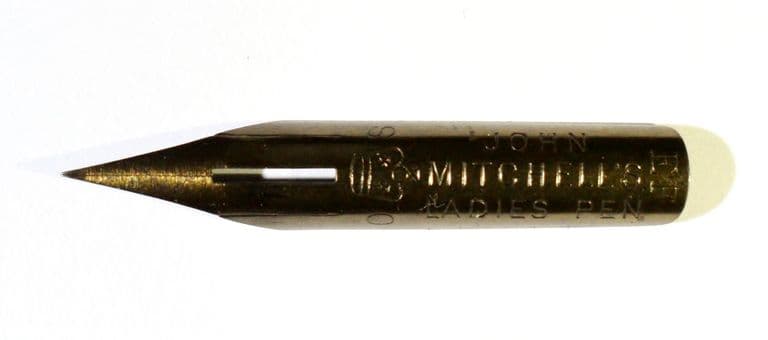
Until about 1825, the Victoria County History says, almost everybody wrote with a quill. Steel pens existed — the best known was patented by James Perry of London — but they were cut and filed by hand and cost about twopence each.
Birmingham’s answer
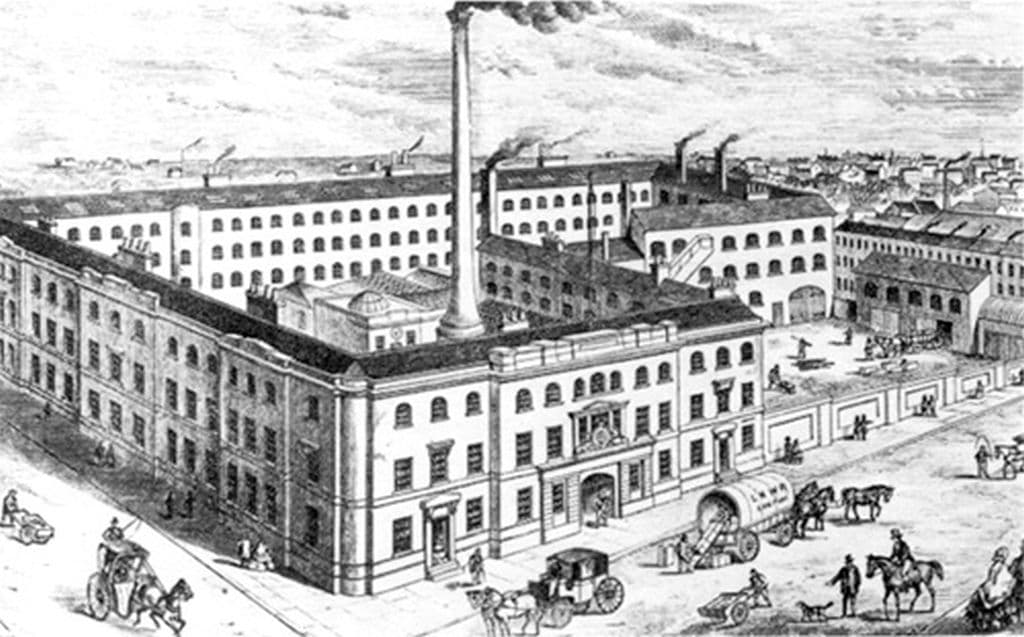
The VCH is blunt: “the successful processes were all devised in Birmingham.” Joseph Gillott, a Sheffield cutler, adapted the press to stamp pens out of sheet steel and cut extra slits to make them flex like a quill. His rival Josiah Mason made all the pens sold under Perry’s name from about 1830. With the Mitchell brothers, Gillott’s in-laws, they had most of the trade by 1850.
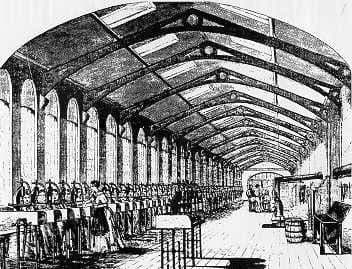
Mechanisation collapsed the price. Pens that had cost a shilling each when Gillott began were sold for pence a gross. By 1850 Birmingham’s pen factories made 65,000 gross a week, and two-thirds of their workers were women and girls, working the presses.
Factories and palaces
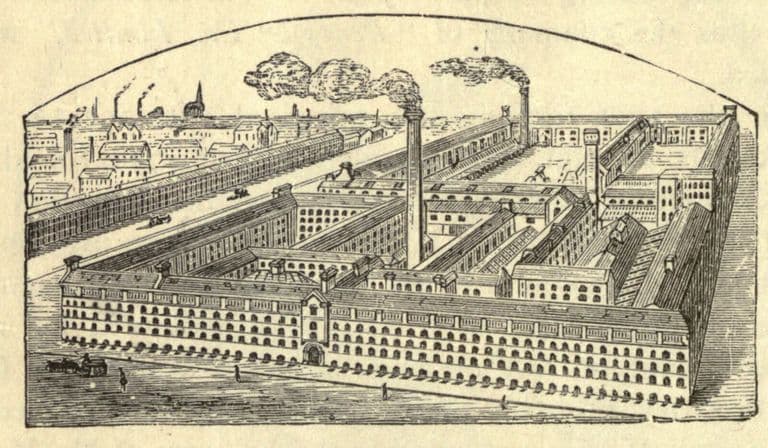
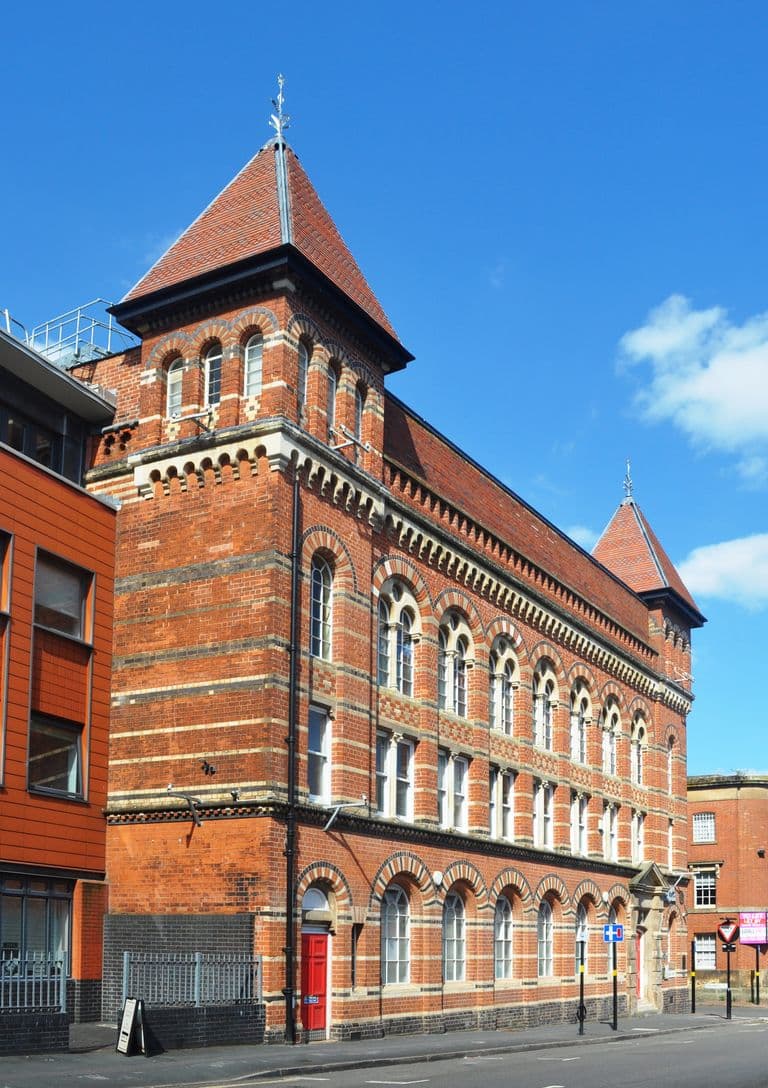
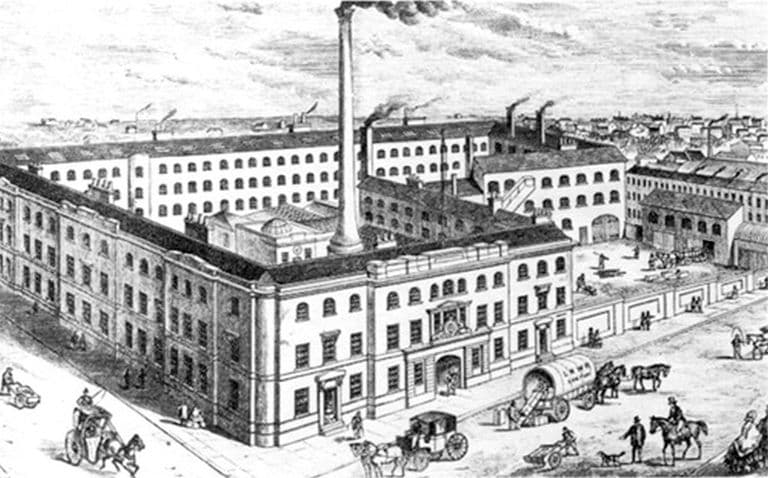
The trade built some of the Jewellery Quarter’s grandest buildings. Gillott’s Victoria Works on Graham Street, begun in 1838–45, is listed for “the international importance of this first mass production of pen nibs”. Opposite stands the Argent Centre, built in 1862–63 for the gold-pen maker W. E. Wiley, with its own Turkish bath.
Decline and memory
The ballpoint, invented in 1938, cut demand from the 1940s, and Gillott’s left Victoria Works in 1956. The trade’s story is now kept by the Pen Museum in the Argent Centre, opened in 2001, which estimates that at its height the trade employed about 8,000 people in Birmingham, most of them women.
Pictures
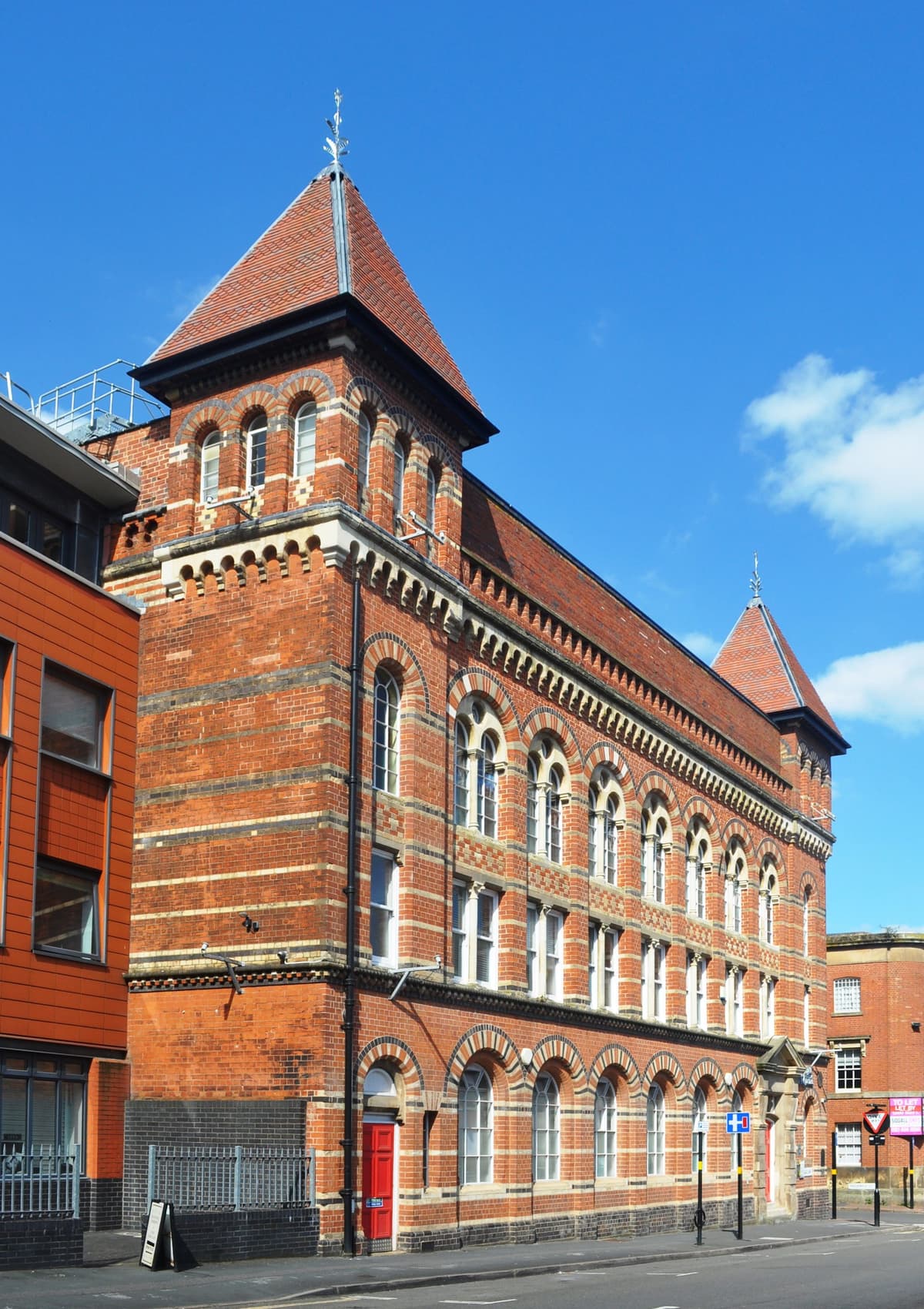
The Argent Centre, Legge Lane and Frederick Street, 11 August 2024Hassocks5489, 11 August 2024. Wikimedia Commons · CC0 1.0
On the map
4 places connected with The pen trade. Tap a number for directions — some sites are private homes or gardens, so each place’s page says what you can see from the street.

- Josiah Mason’s pen works, Lancaster Street — Site redeveloped · Directions to Josiah Mason’s pen works, Lancaster Street (opens Google Maps)
- Key Hill Cemetery — Surviving, Surviving but altered · Directions to Key Hill Cemetery (opens Google Maps)
- Pen Museum, Argent Centre — Surviving · Directions to Pen Museum, Argent Centre (opens Google Maps)
- Victoria Works, Graham Street — Surviving, Surviving but altered · Directions to Victoria Works, Graham Street (opens Google Maps)
Key dates
- 1821 — Joseph Gillott comes to BirminghamThe Sheffield cutler Joseph Gillott moves to Birmingham to work in the “light steel toy trade”, making buckles and chains. Within a decade he is pressing steel pens by machine.
- c. about 1822 — John Mitchell makes steel pens with press toolsAccording to his son, John Mitchell of Newhall Street began making steel pens with press tools of his own design in about 1822, replacing hand filing. It is the earliest claim for machine-made pens in Birmingham, though Gillott, Mason and Perry all have rival claims.
- 20 November 1830 — Josiah Mason’s first big order of pens leaves for PerryJosiah Mason sent his first lot of 100 gross of steel pens from Lancaster Street to James Perry in London. For decades every pen sold under Perry’s name was made by Mason in Birmingham.
- 1837 — Gillott claims 36 million pens a yearAn advertisement for Joseph Gillott’s pens claims some 36 million made in the previous year, a sign of how fast machine-pressing had transformed the trade.
- c. 1838–45 — Victoria Works begun on Graham StreetBuilding begins on Joseph Gillott’s Victoria Works, Graham Street, reputedly partly designed by Charles Edge. Historic England dates the works to 1838–45, about 1850 and 1887.
- 1862–63 — Wiley’s pen works built on Frederick StreetJ. G. Bland designs a polychrome, fireproof pen works for W. E. Wiley, with Turkish baths heated by its engine’s steam. It is now the Argent Centre and home of the Pen Museum.
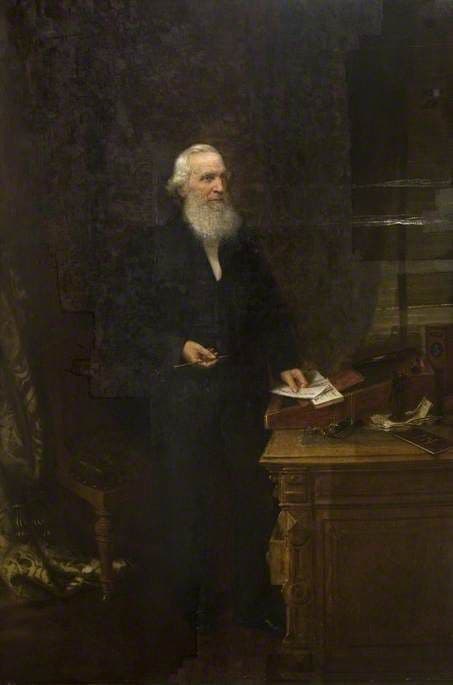
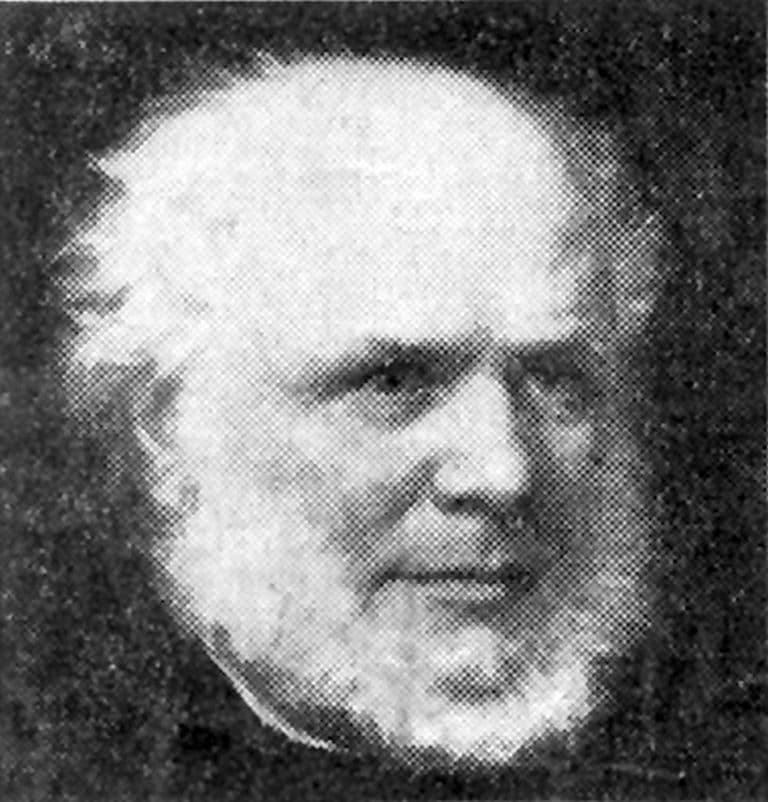
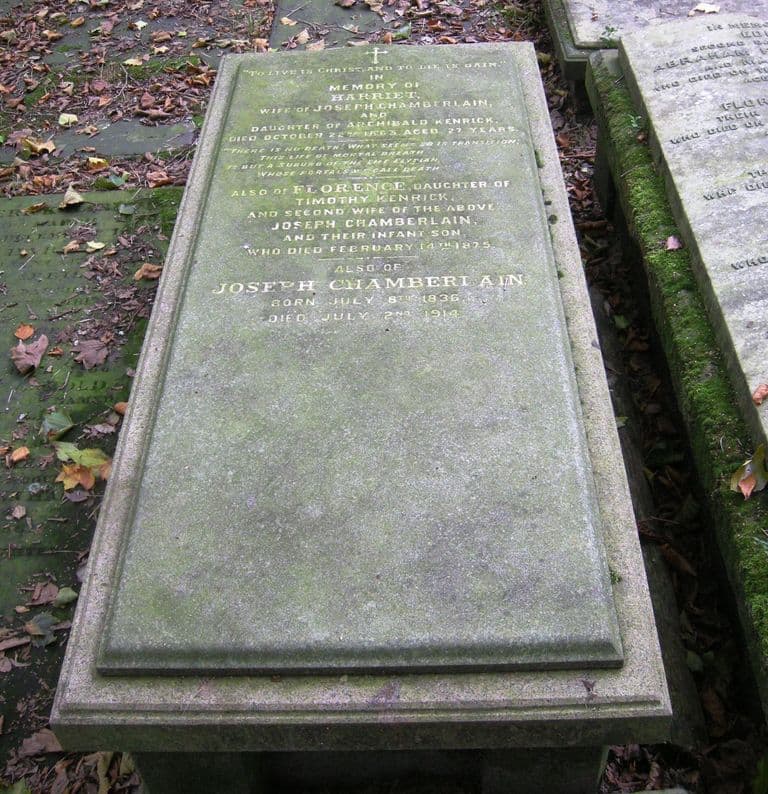
- 5 January 1872 — Joseph Gillott diesJoseph Gillott dies at his home in Westbourne Road, Edgbaston, and is buried at Key Hill Cemetery. His collection of paintings later sells for about £170,000.
- 1874 — Royal visit to Victoria WorksThe Prince and Princess of Wales are shown round Joseph Gillott’s pen works on Graham Street.
- 1956 — Gillott’s leaves Victoria WorksJoseph Gillott & Sons moves pen production from Victoria Works on Graham Street to a new factory near Dudley.
- 28 April 2001 — The Pen Room opens in the Argent CentreFour founders open the Pen Room, now the Pen Museum, in the Argent Centre to preserve the story of Birmingham’s pen trade.
Sources and further reading
- Economic and Social History: Industry and Trade, 1500–1880, in A History of the County of Warwick, vol. 7, pp. 81–139 — W. B. Stephens (ed.), Victoria County History, 1964. pen trade
- Gillott, Joseph — Dictionary of National Biography, vol. 21 — George Clement Boase, Smith, Elder & Co., 1890
- Victoria Works (including formerly listed flagstaff and retaining wall), Graham Street — National Heritage List for England entry 1343427 — Historic England
- The Argent Centre (former Argent Works), 60 Frederick Street — National Heritage List for England entry 1290277 — Historic England
- Victoria Works — Buildings Research — Tony Chesters, Jewellery Quarter Townscape Heritage
- About Us — Pen Museum, Pen Museum, Birmingham