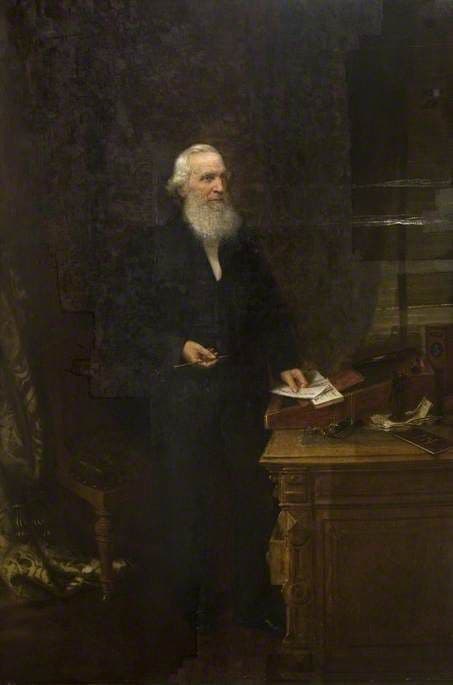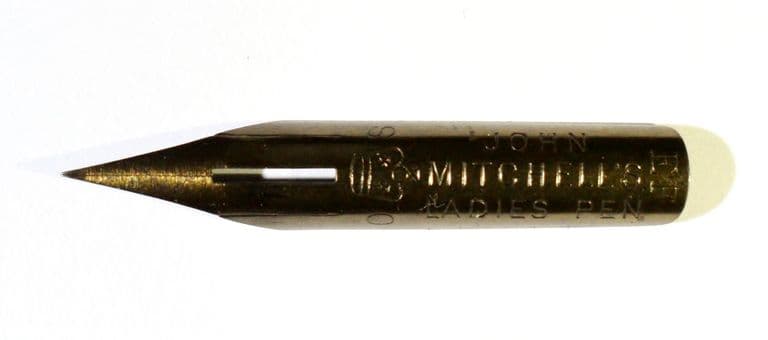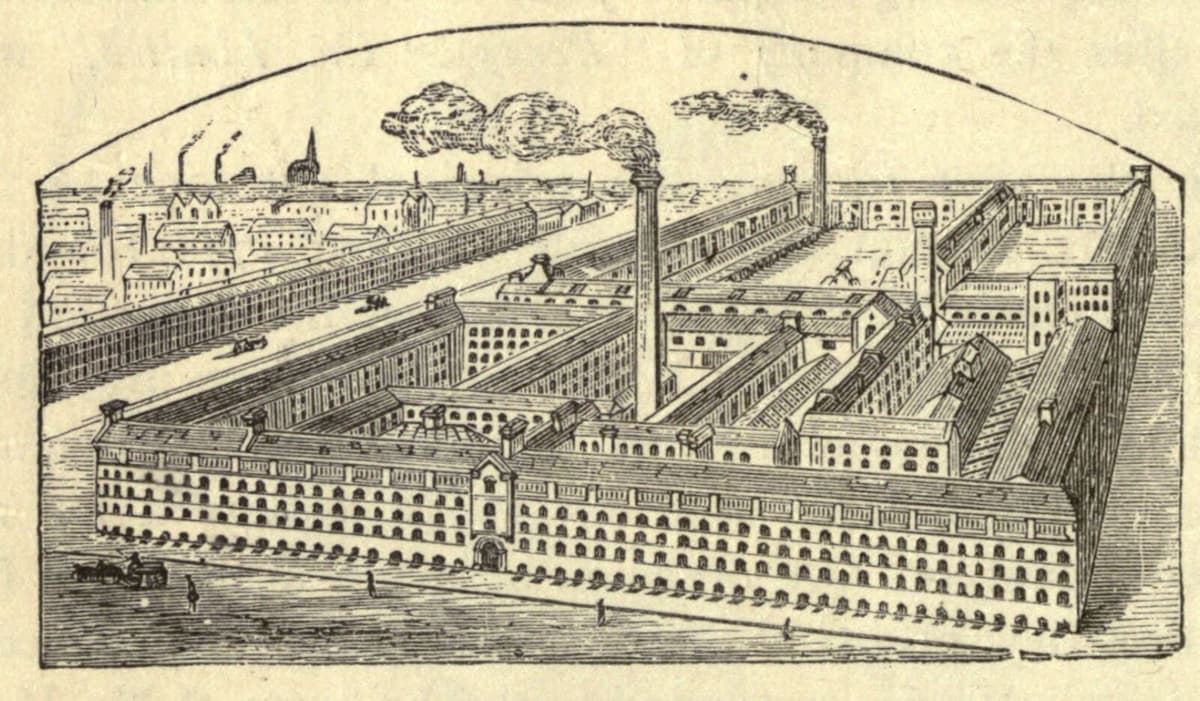
James Perry began making steel pens in Manchester in 1819 and in London in 1824, and from Red Lion Square promoted them with energy, patenting an improved design in 1830. His early pens were partly hand-made. From about 1829 Josiah Mason of Lancaster Street, Birmingham, made all the steel pens Perry sold, stamped with Perry’s name and not his own.
Perry & Co. Ltd
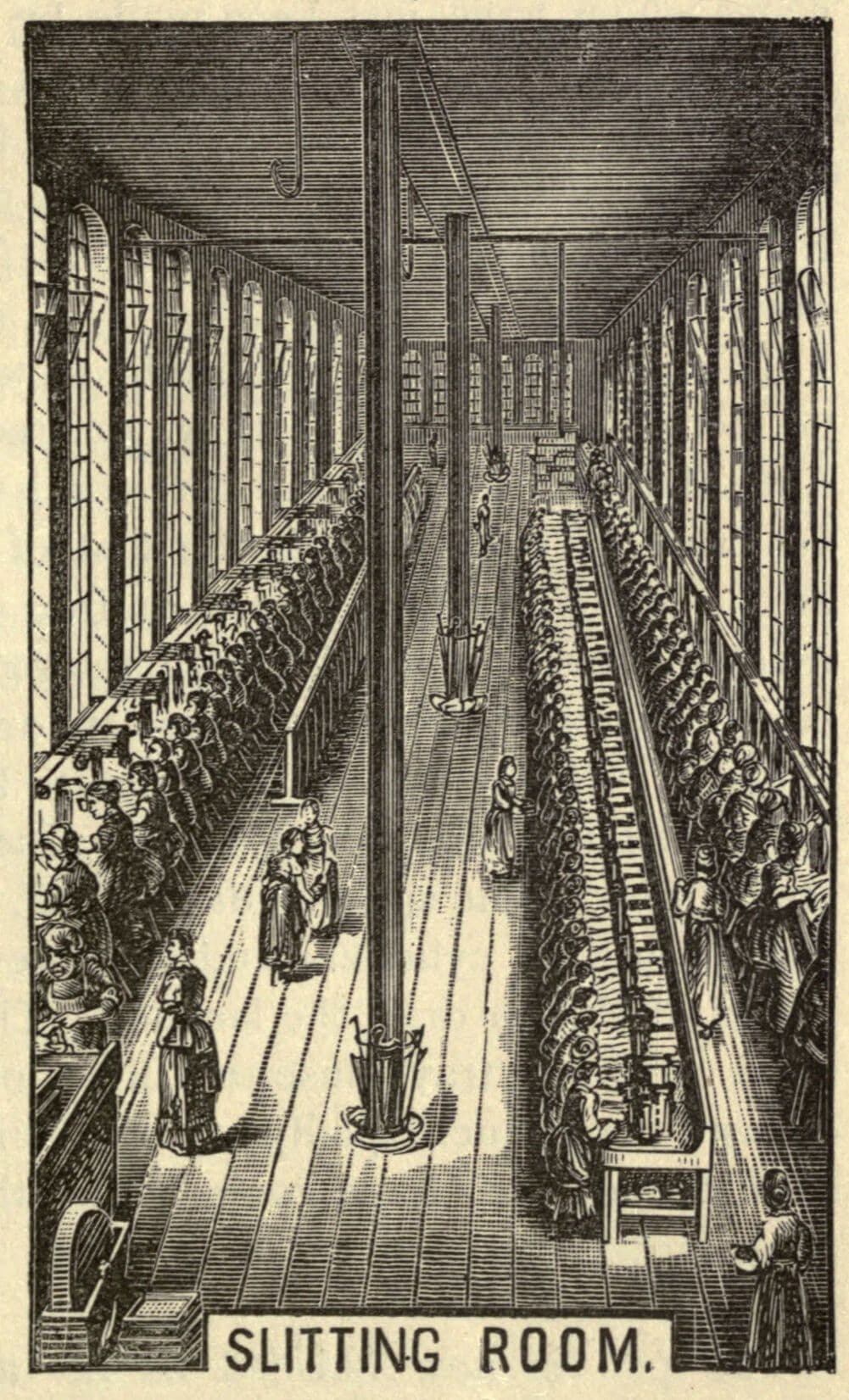
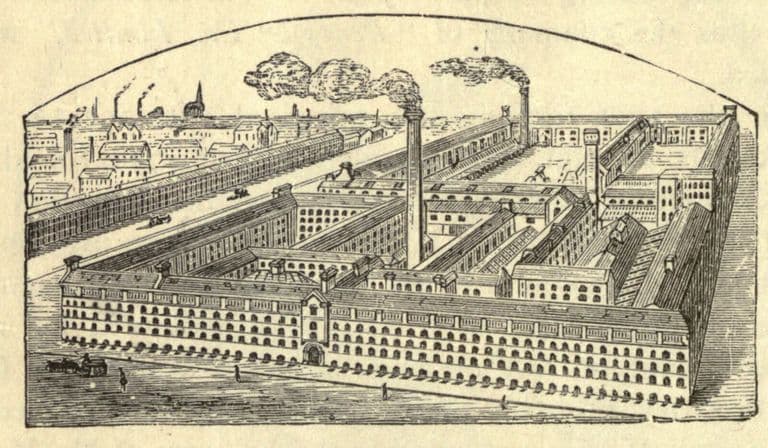
At the end of 1875 Mason sold his works to a new company, which in 1876 united his business with A. Sommerville & Co., the pencil-case makers Wiley & Son, and James Perry & Co. of London as Perry & Co. Ltd. The Victoria County History counts it as one of only two Birmingham public companies by 1880 that were converted private firms. In 1890 the company described its Lancaster Street works as covering nearly two acres, with about 900 people making 45,000 gross of pens a week, and over 1,300 workers in all. By the early 1900s it also made cycle chains and accessories.
Pictures
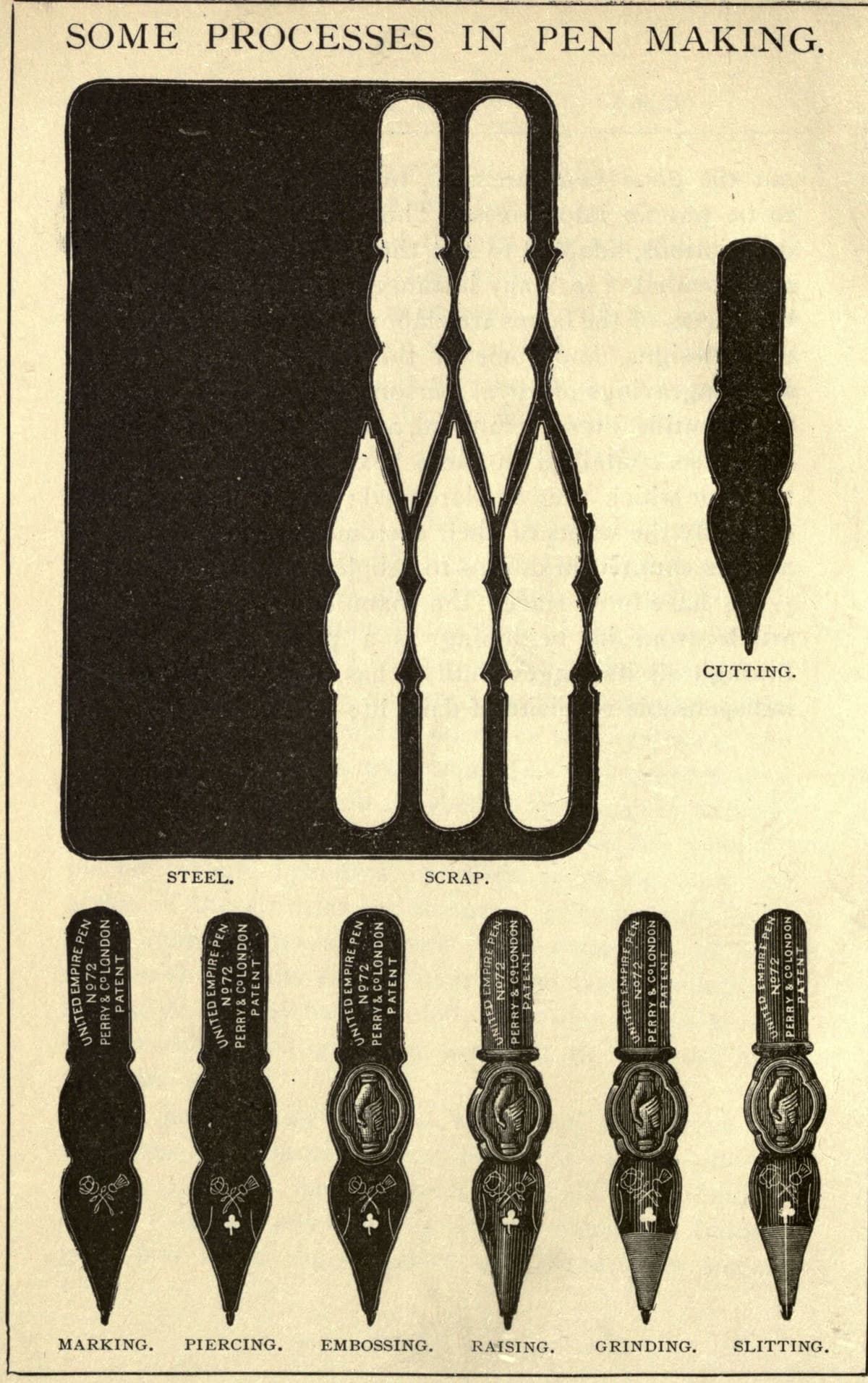
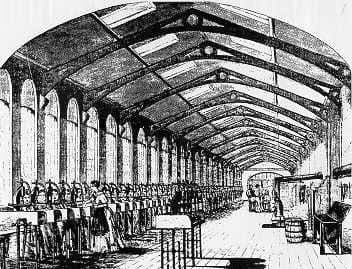
Some processes in pen making, 1890Unknown engraver, in Henry Bore, The Story of the Invention of Steel Pens, 1890. Internet Archive (University of California Libraries scan) · Public domain
On the map
One place connected with Perry & Co.. Tap a number for directions — some sites are private homes or gardens, so each place’s page says what you can see from the street.

Key dates
- 20 November 1830 — Josiah Mason’s first big order of pens leaves for PerryJosiah Mason sent his first lot of 100 gross of steel pens from Lancaster Street to James Perry in London. For decades every pen sold under Perry’s name was made by Mason in Birmingham.
Sources and further reading
- The Story of the Invention of Steel Pens, with a Description of the Manufacturing Process by which they are Produced — Henry Bore, Ivison, Blakeman & Co., New York / Perry & Co., London, 1890
- Josiah Mason: a biography — John Thackray Bunce, Simpkin, Marshall & Co.; Cornish Brothers, Birmingham, 1882. ch. 3
- Economic and Social History: Industry and Trade, 1500–1880, in A History of the County of Warwick, vol. 7, pp. 81–139 — W. B. Stephens (ed.), Victoria County History, 1964. finance
- Perry and Co — Grace’s Guide, Grace’s Guide to British Industrial History