
A wooden ship in tropical water was being eaten alive. The shipworm, a burrowing mollusc that could grow 20 centimetres long, bored through the planks below the waterline. Weed and barnacles crusted the hull and could halve a ship’s speed. For centuries shipwrights fought back with tar, lead and sacrificial boards. From the 1760s the Royal Navy found a better answer: nail thin copper sheets over the hull. Copper slowly dissolves in seawater, and the trace of copper poisons anything trying to settle on it. A coppered ship stayed clean and fast.
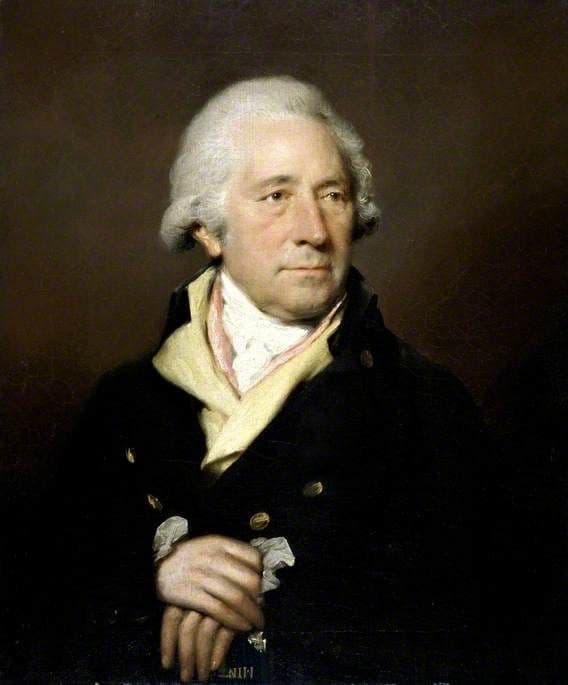
But copper was expensive. In 1832 a Birmingham metal manufacturer patented a cheaper answer, a yellow alloy of about three parts copper to two parts zinc. It made him a fortune, it sheathed ships such as the tea clipper Cutty Sark, and it carried his name around the world. His name was George Frederick Muntz, and he was also one of the loudest radicals in Birmingham.
From Poland to Great Charles Street
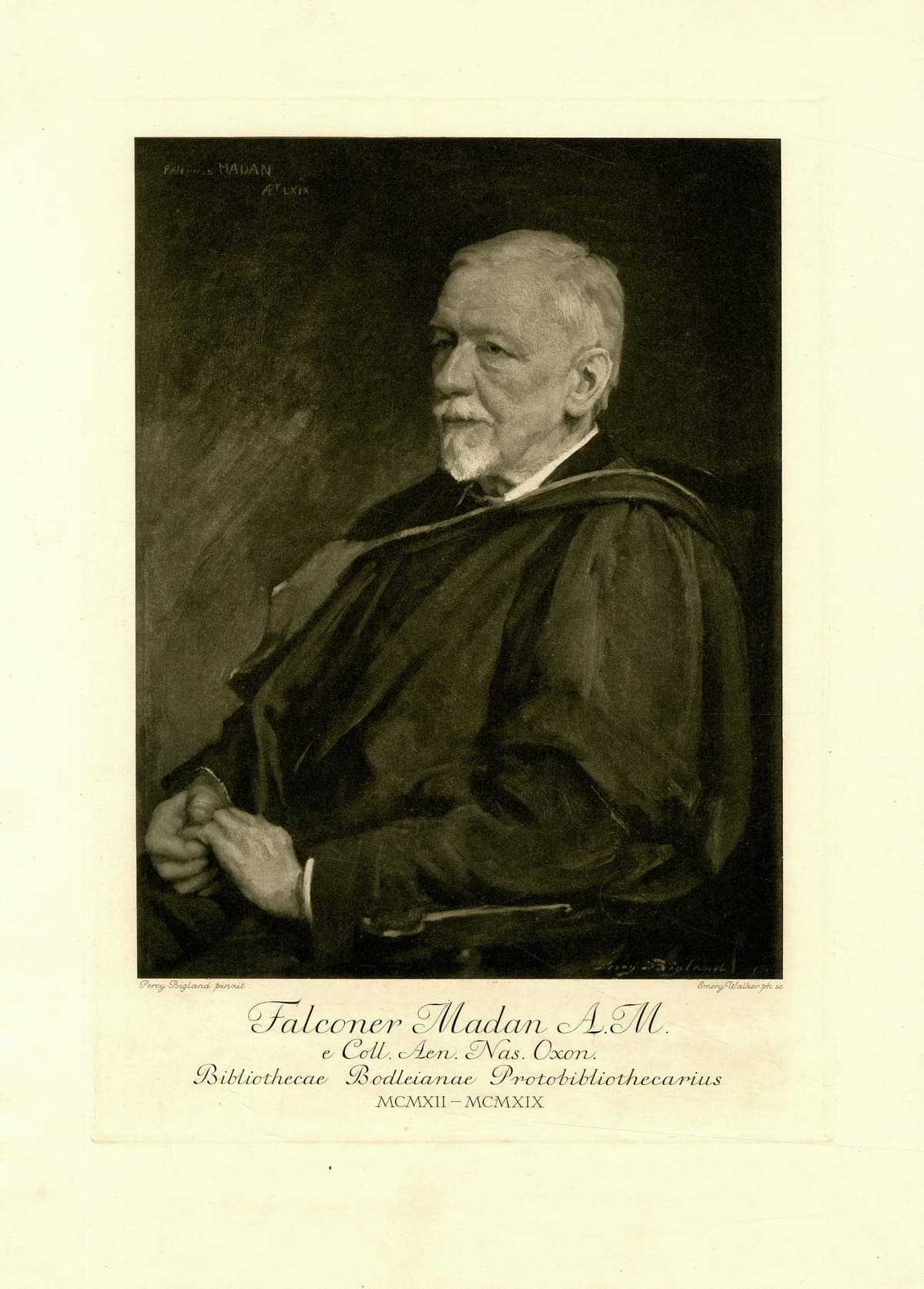
Muntz was born on 26 November 1794 in Great Charles Street, then on the edge of town. His family story was a long one. According to Samuel Timmins, who knew him, the Muntz ancestors were Poles who had fled persecution to France. His father, Philip Frederick Muntz, left France at the time of the Revolution, traded as a merchant in Amsterdam and came to Birmingham. There, partly on Matthew Boulton’s advice, he bought a £500 share in a merchant house that became Muntz & Purden, and married his partner’s daughter, Catherine Purden, in 1793. He also had a share in a glassworks in Greatbrook Street.
George was taught at home, spent a year at Dr Currie’s school at Small Heath, and went into business at thirteen. He spoke French and German. When his father died in 1811 he took over the family metal works in Water Street, near Snow Hill. It was a rolling mill with a steam engine, and Joseph Gillott, the future pen king, first set up in a corner of its yard, borrowing power from the Muntz engine.
The yellow metal
Muntz’s alloy was a type of brass with a lot of zinc in it: about 60 per cent copper and 40 per cent zinc. In 1832 he took out two patents, No. 6325 for the metal and No. 6347 for ships’ bolts made from it.
Here is why it worked. Zinc was much cheaper than copper, so every ton of sheathing cost less to make. With that much zinc, the alloy could be rolled into sheet while red hot, which made manufacture quicker. In the sea it still gave off enough copper to stop weed and shellfish taking hold, but it wore away more slowly than pure copper, so it lasted longer. It was also stronger. And it could be recycled. When a ship came in to be resheathed, the old metal was taken back and allowance made for it against the new.
Selling it
It was not an easy sell. Owners were suspicious, and the Royal Navy refused it outright, and kept refusing long after merchants had come round. The maritime archaeologist Mark Staniforth, drawing on earlier research, describes how Muntz persuaded owners to nail a few trial plates over their copper, then sold below cost and guaranteed buyers against loss. In 1834 twenty London ships carried some Muntz metal. By 1840 there were more than 200, and by 1844 four hundred in London alone. By the 1840s yellow metal was replacing copper as the standard sheathing for British merchant ships, and it spread to foreign and colonial yards.
The money was huge. When the business was sold in 1864, Timmins wrote, “upwards of £40,000” was paid “for the goodwill alone”.
Was it his idea?
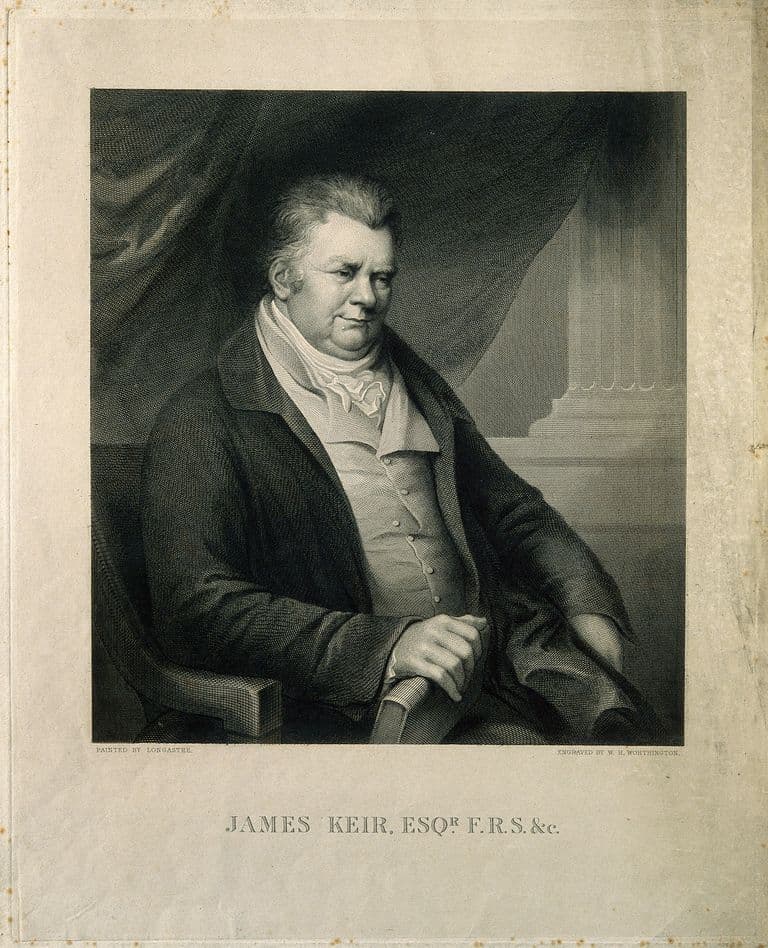
Birmingham was not entirely impressed. In 1779 James Keir, the Lunar Society chemist, had patented a copper-zinc-iron alloy for ships’ bolts and sheathing, and Boulton had shown it to the Admiralty. In 1800 a William Collins had patented a yellow sheathing metal of copper and zinc. Timmins, writing in 1866, was scathing. Muntz’s claim to be an original inventor was “of the most shadowy character imaginable”, and his real achievement was “the resuscitation of a dead process”. Muntz himself told a dinner in 1852 that the preliminary expenses of his sheathing patent had come to eightpence.
Even Timmins conceded, in the Dictionary of National Biography, that whether or not Muntz knew of Keir’s work, “he first introduced the metal into universal use.” That is the fair verdict. Muntz did not invent the mixture. He made it work commercially, sold it to a sceptical shipping world, and produced it on an industrial scale.
French Walls
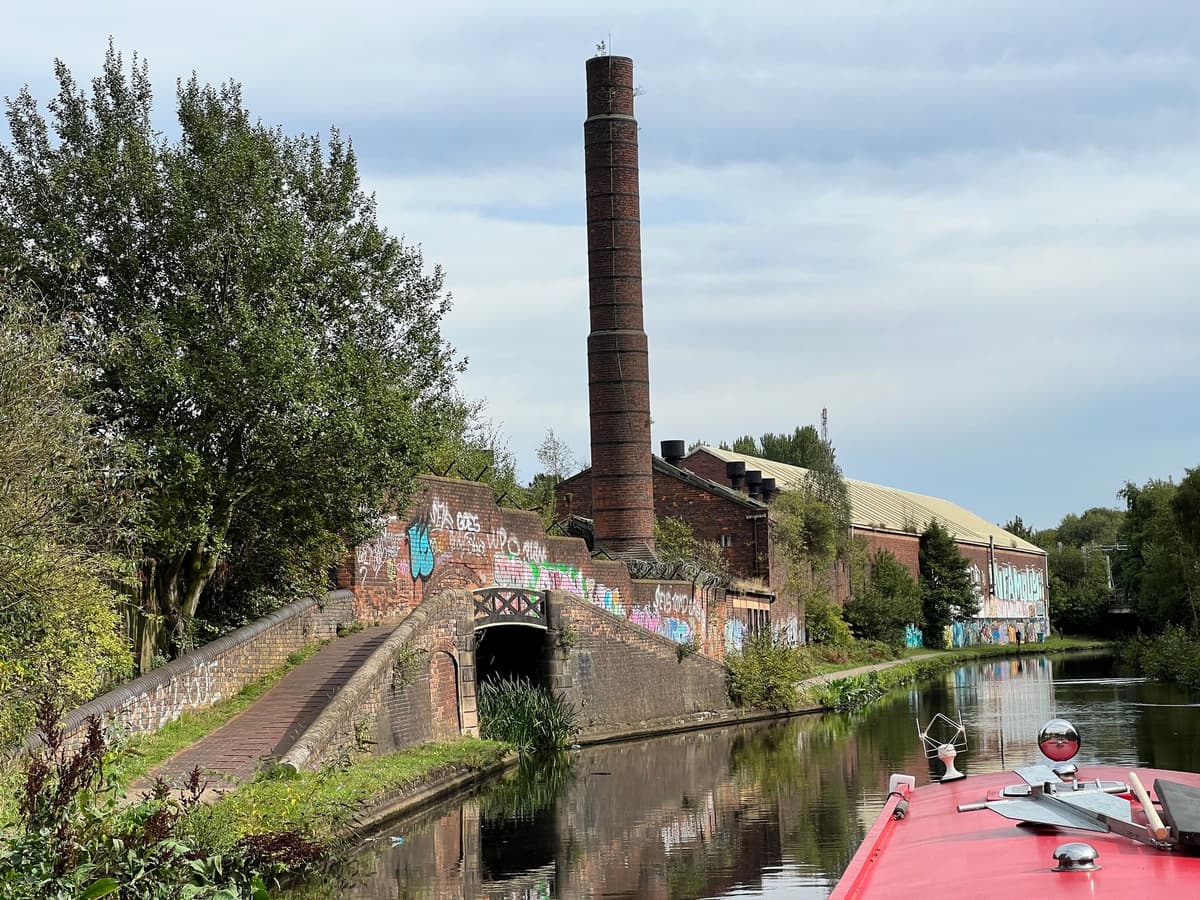
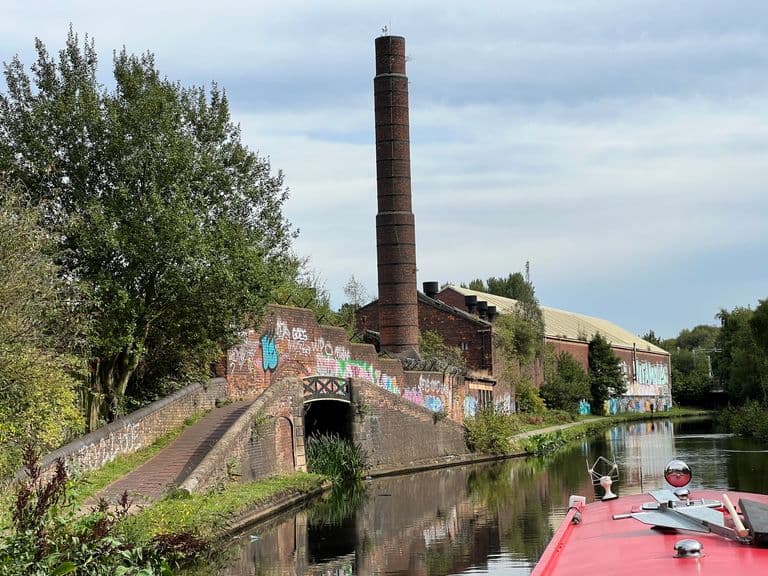
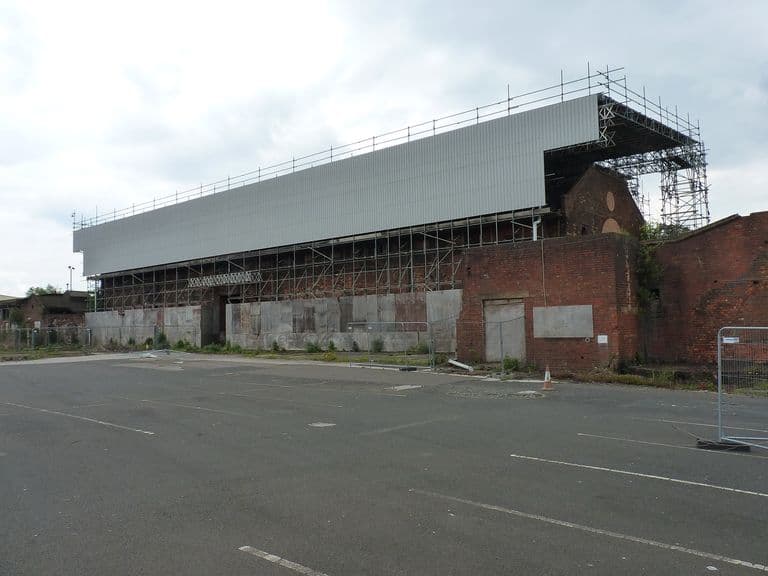
Demand outgrew Water Street. In 1837 Muntz went into partnership with Pascoe Grenfell & Sons, the copper smelters of London and Swansea. In 1842 he bought the French Walls works at Smethwick, on the Birmingham Canal opposite Soho Foundry. It had been a gun-barrel works, a flour mill and James Watt junior’s ironworks. Muntz converted it to non-ferrous metals. Around 1850 he added another six and a half acres across the new Stour Valley Railway, linking the “Old Side” and “New Side” works by a private bridge. In 1846 he patented a further sheathing alloy.
Cutty Sark
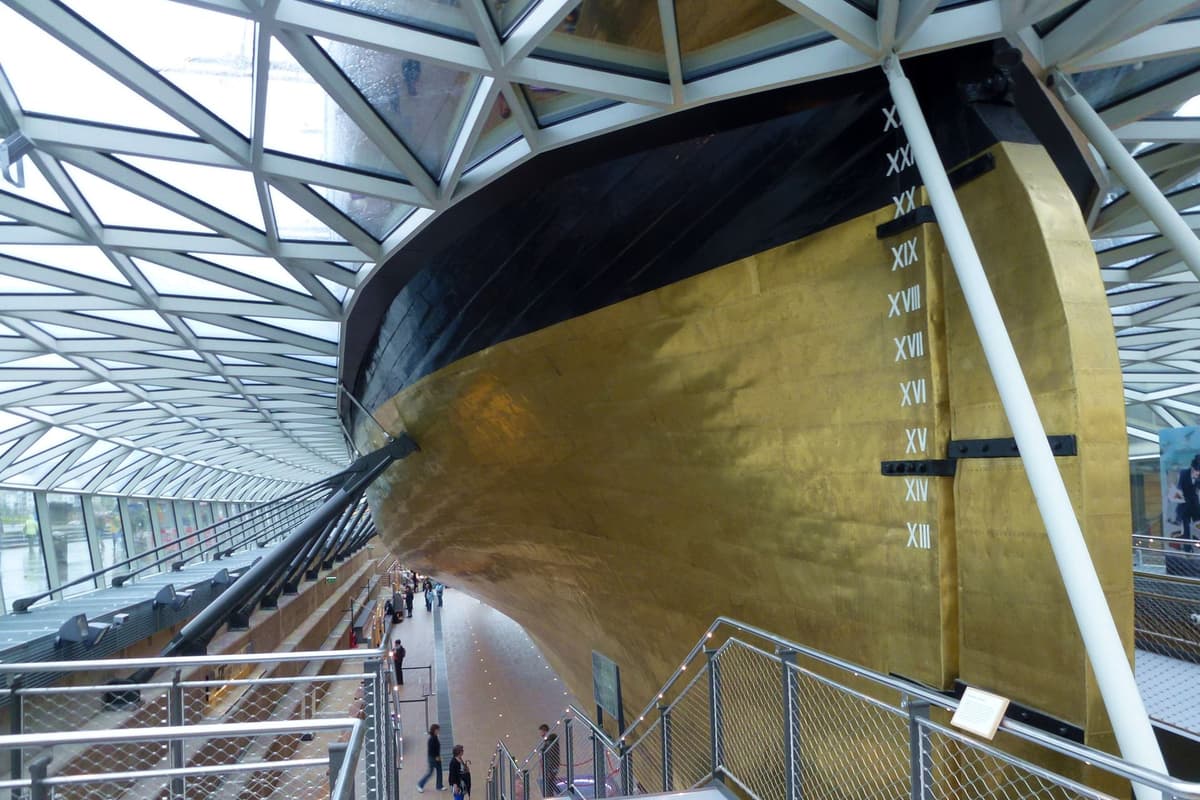
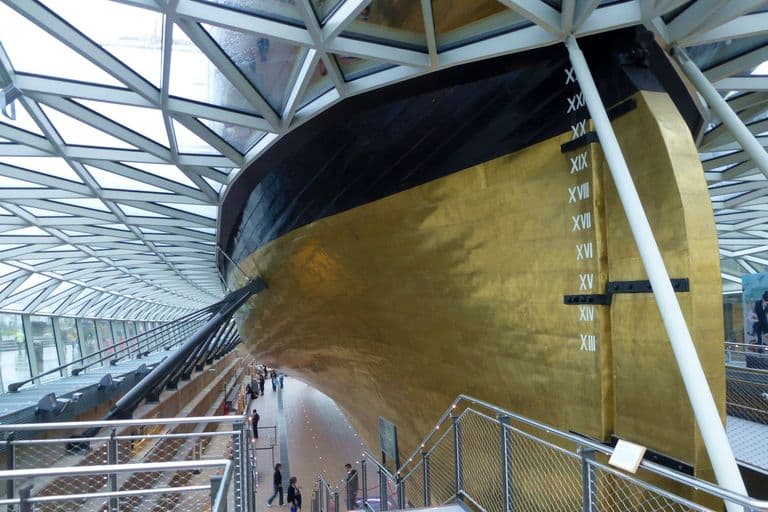
In 1869 the tea clipper Cutty Sark was launched with her hull sheathed in Muntz metal. Royal Museums Greenwich keeps a sample of her old sheathing stamped “Muntz… patent, Birmingham”. The sheathing on the ship today at Greenwich is a modern replacement of similar appearance. It shows what the Birmingham yellow metal looked like on one of the most famous sailing ships of the age.
“To stop the duke, go for gold”
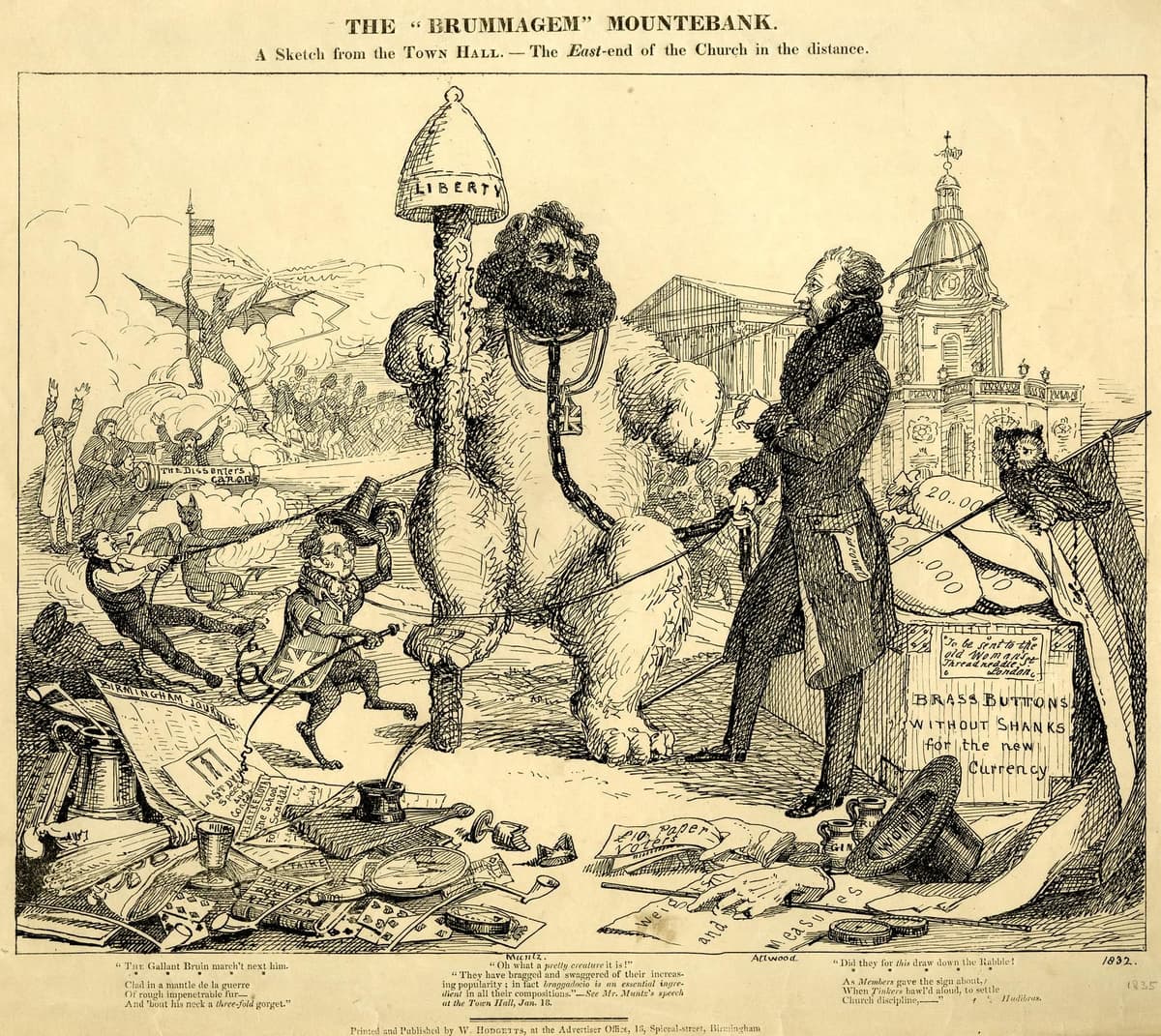
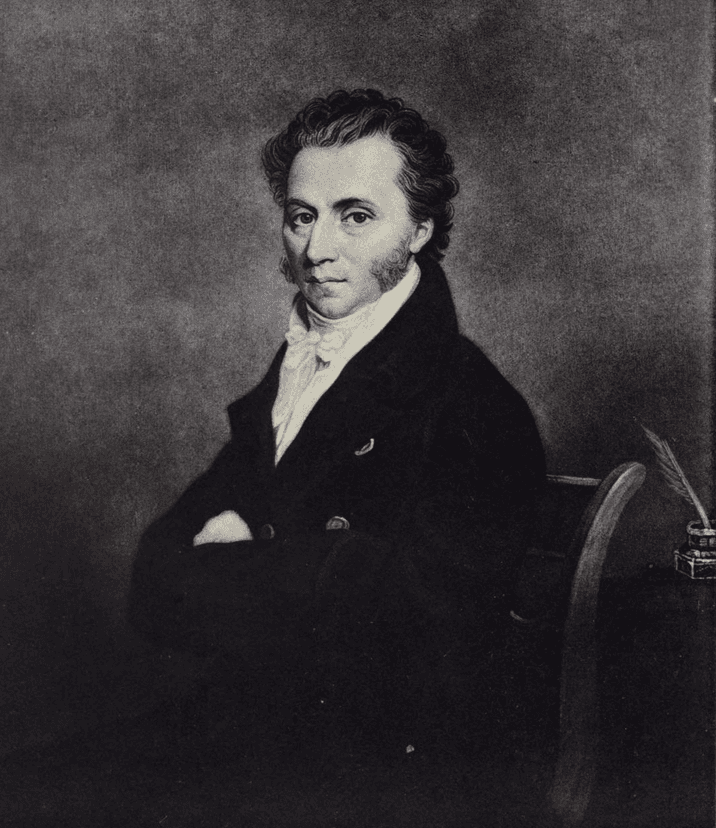
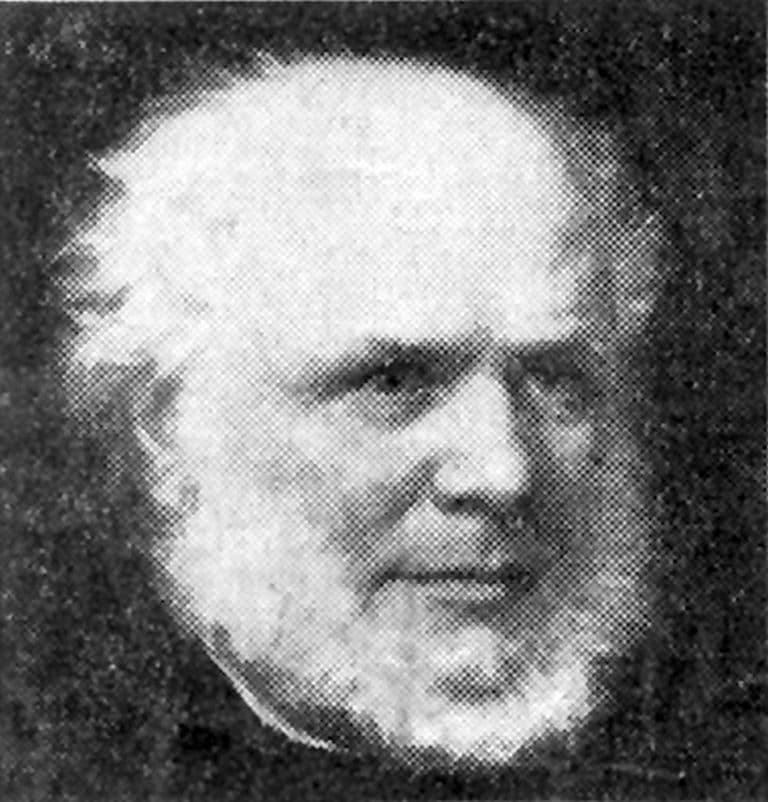
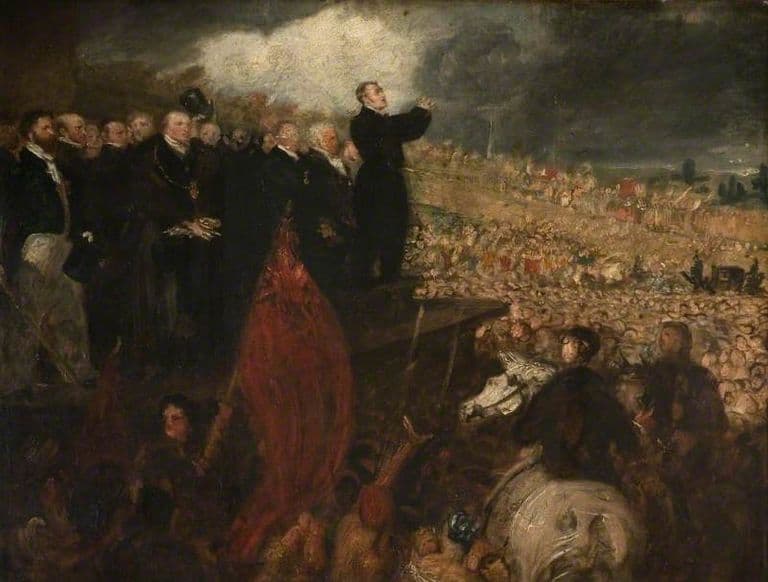
Muntz was as famous in politics as in metal. He was a big man with a huge black beard, a deep voice and, in Timmins’s words, “rough and ready oratory” and “thorough contempt for all conventionalities”. He was a currency reformer of the “Birmingham school” and stood beside Thomas Attwood and Joshua Scholefield in founding the Birmingham Political Union in 1829–30. During the struggle for reform he told the crowds “To stop the duke, go for gold”, urging people to swap their banknotes for gold and start a run on the banks to keep the Duke of Wellington from power. Timmins says warrants for the arrest of Attwood, Scholefield and Muntz were found at the Home Office, filled in but never signed. A Birmingham cartoonist drew him as a chained bear with Attwood holding the lead.
He was a fierce enemy of church rates. At an Easter vestry meeting at St Martin’s in the Bull Ring he demanded to see the parish books, a riot followed, and in March 1838 he was tried at Warwick. He was cleared of twelve counts and found guilty only of an affray. In 1840 he succeeded Attwood as MP for Birmingham. He was independent, prickly and hard to follow in debate, but he held the seat until his death.
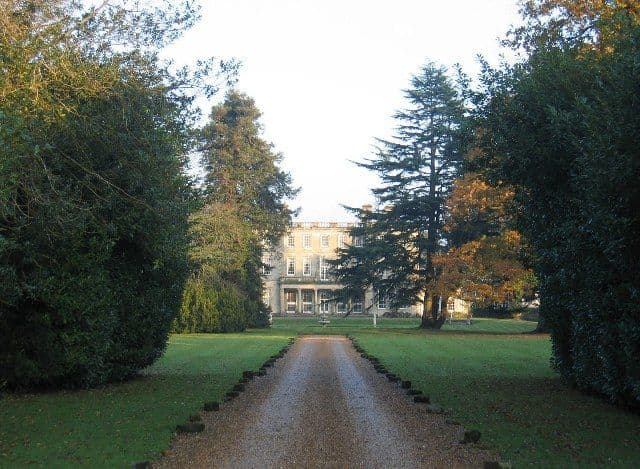
He died on 30 July 1857 at Umberslade Hall near Tanworth-in-Arden, his country house. His son sold the business in 1864 to Muntz’s Metal Company Ltd. Non-ferrous metal was made at French Walls until 1932.
Why it mattered
George Frederick Muntz did not invent the idea of a copper-zinc sheathing. James Keir had patented something similar in 1779. What Muntz did was make it pay. He took a forgotten alloy, rolled it hot in Birmingham and Smethwick, sold it to shipowners who did not want it, and by the 1840s yellow metal was replacing copper on British merchant ships.
That mattered far beyond Birmingham. A cheaper sheathing meant more ships could afford protection from worm and weed, sail faster, and stay at sea longer between refits. In the age of the clippers, a Birmingham alloy kept wooden hulls clean from London to Shanghai.
He was also a reminder that Birmingham’s manufacturers were political animals. The man who sold yellow metal to the world was the same man who stood on Newhall Hill shouting for reform, and who sat for the town in Parliament for seventeen years. Muntz Street in Small Heath still carries the name. The sheathing on Cutty Sark at Greenwich today is a modern copy, but it has the same coppery-gold shine as the Birmingham yellow metal that once covered her hull, and the hulls of many ships like her.
On the map
3 places connected with George Frederick Muntz. Tap a number for directions — some sites are private homes or gardens, so each place’s page says what you can see from the street.

- French Walls Works, Smethwick — Site redeveloped · Directions to French Walls Works, Smethwick (opens Google Maps)
- Newhall Hill meeting ground — Site redeveloped
- Soho Foundry — Partly surviving, At risk · Directions to Soho Foundry (opens Google Maps)
Key dates
- 1832 — Muntz patents his yellow metalGeorge Frederick Muntz patents a copper-zinc alloy for sheathing ships (No. 6325) and for ships’ bolts (No. 6347). Cheaper than copper and able to be rolled hot, ‘Muntz metal’ is replacing copper on British merchant ships by the 1840s.
- 1842 — Muntz moves to French Walls, SmethwickWith demand outgrowing his Water Street mill, Muntz buys the French Walls works on the Birmingham Canal opposite Soho Foundry and converts it to non-ferrous metals. It makes yellow metal there until 1932.
Sources and further reading
Invention: Muntz’s alloy closely resembled James Keir’s patent of 1779 (copper, zinc and iron) and William Collins’s yellow metal of 1800. Timmins (1866) and the Victoria County History both say it was not original; the DNB says it is uncertain whether Muntz knew of Keir’s work. Proportions: usually given as 60:40 copper to zinc; Timmins says Muntz’s specification allowed 50–63 per cent copper. Swansea: some accounts say production moved to Swansea in 1837; the DNB says only that he became a partner with the Swansea copper smelters Pascoe Grenfell & Sons that year, and that his principal works were at French Walls. Political Union: the DNB says Muntz founded it with Attwood and Scholefield in 1829 and chaired the first great meeting; most accounts give Attwood the leading role, and the text follows them. The DNB places “To stop the duke, go for gold” in 1830; the slogan is more often linked to the Days of May in 1832, so the text gives no year. The church-rate riot is dated to an Easter vestry meeting; the trial was on 30 March 1838. Muntz Street, Small Heath: said to be named after the family, who are said to have held land there; not confirmed from a primary source. Cutty Sark: the present sheathing is a modern replacement, not original Muntz metal.
- Muntz, George Frederick — Dictionary of National Biography, vol. 39 — Samuel Timmins, Smith, Elder & Co., 1894
- The Resources, Products, and Industrial History of Birmingham and the Midland Hardware District — Samuel Timmins (ed.), Robert Hardwicke, London, 1866. ‘Patents for yellow metal’, pp. 313–15; brass trade, p. 263
- Economic and Social History: Industry and Trade, 1500–1880, in A History of the County of Warwick, vol. 7, pp. 81–139 — W. B. Stephens (ed.), Victoria County History, 1964. P. F. Muntz; Gillott in Water Street; Muntz Metal Co.
- Smethwick: Economic history, in A History of the County of Stafford, vol. 17, pp. 107–118 — M. W. Greenslade (ed.), Victoria County History, 1976. French Walls works, 1842–1932
- Smethwick: Other estates, in A History of the County of Stafford, vol. 17, pp. 99–107 — M. W. Greenslade (ed.), Victoria County History, 1976. French Walls estate
- The introduction and use of copper sheathing — a history — Mark Staniforth, Bulletin of the Australian Institute for Maritime Archaeology
- Muntz metal — sample of sheathing from Cutty Sark’s hull — Royal Museums Greenwich
- See Cutty Sark’s copper hull — Royal Museums Greenwich
- The ‘Brummagem’ Mountebank. A sketch from the Town Hall — British Museum, W. Hodgetts, Birmingham, c.1832–35. Ref. BM 1868,0808.9456
- George Frederick Muntz — Grace’s Guide to British Industrial History
Comments
Comments will load here.