Birmingham’s small metal goods were rarely made of a single pure metal. Brass, a mixture of copper and zinc, was the town’s workhorse. It could be cast, rolled, stamped and drawn, and it looked like gold for a fraction of the price.
Sheathing ships
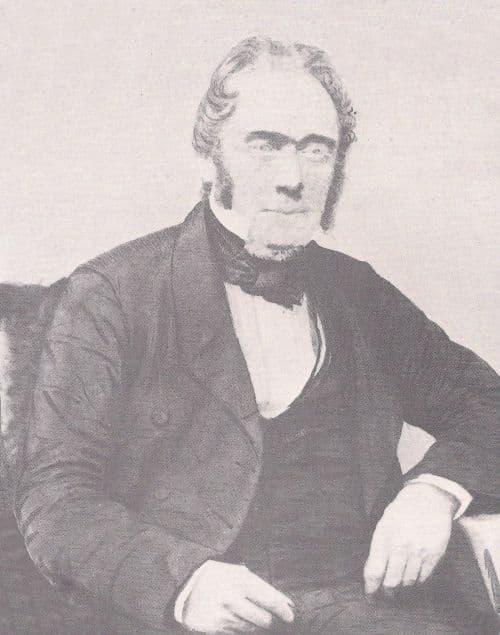
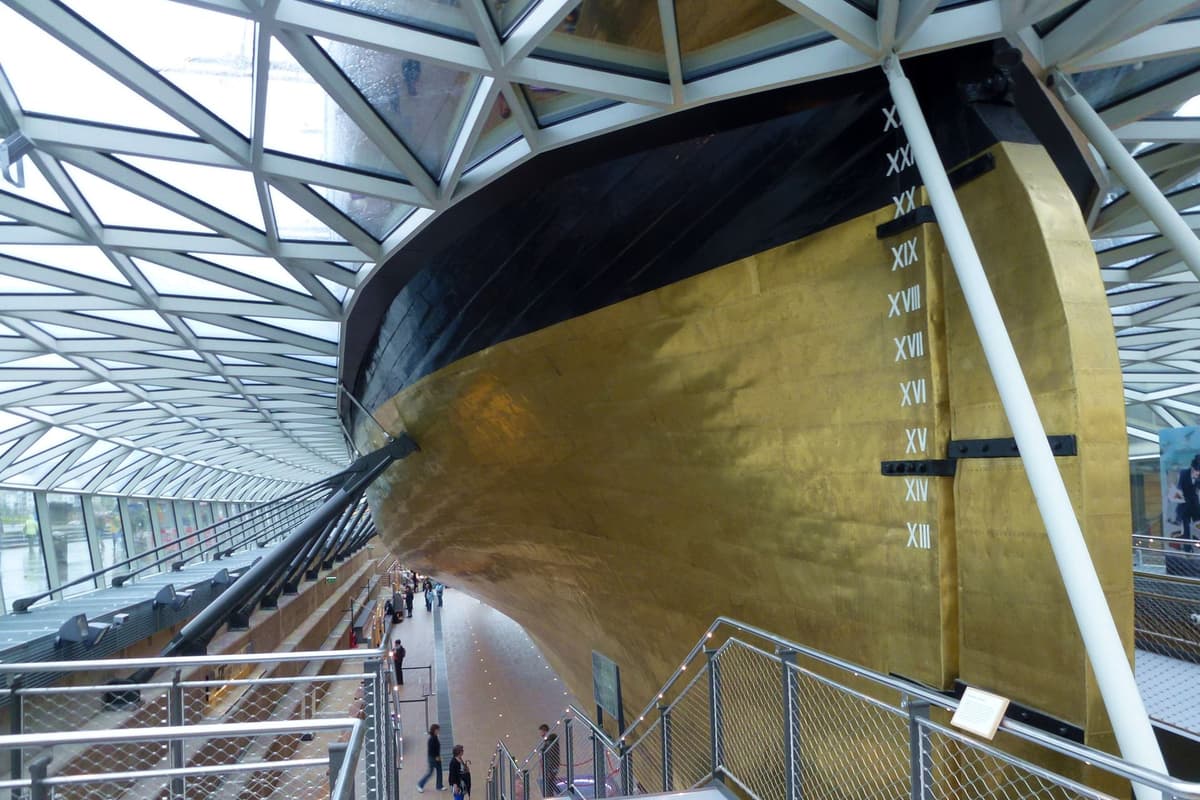
Wooden ships in warm seas were attacked by shipworm and slowed by weed. From the 1760s the Royal Navy covered hulls with copper sheet. Copper was expensive, and Birmingham men looked for cheaper mixtures. In 1779 James Keir patented a copper-zinc-iron alloy for ships’ bolts and sheathing, and Boulton showed it to the Admiralty. In 1832 George Frederick Muntz patented a ‘yellow metal’ of about 60 per cent copper and 40 per cent zinc. It could be rolled hot, cost less than copper and still kept hulls clean. By the 1840s it was replacing copper on British merchant ships. Samuel Timmins pointed out in 1866 that it was very close to Keir’s old idea.
Brass over iron
Edward Thomason found in 1803 that a thin skin of brass could be drawn tightly over an iron tube or rod. The result looked solid but was cheap and strong, and ‘patent tube’ became a standard Birmingham product for stair rods, curtain poles and rails.
Bronze money
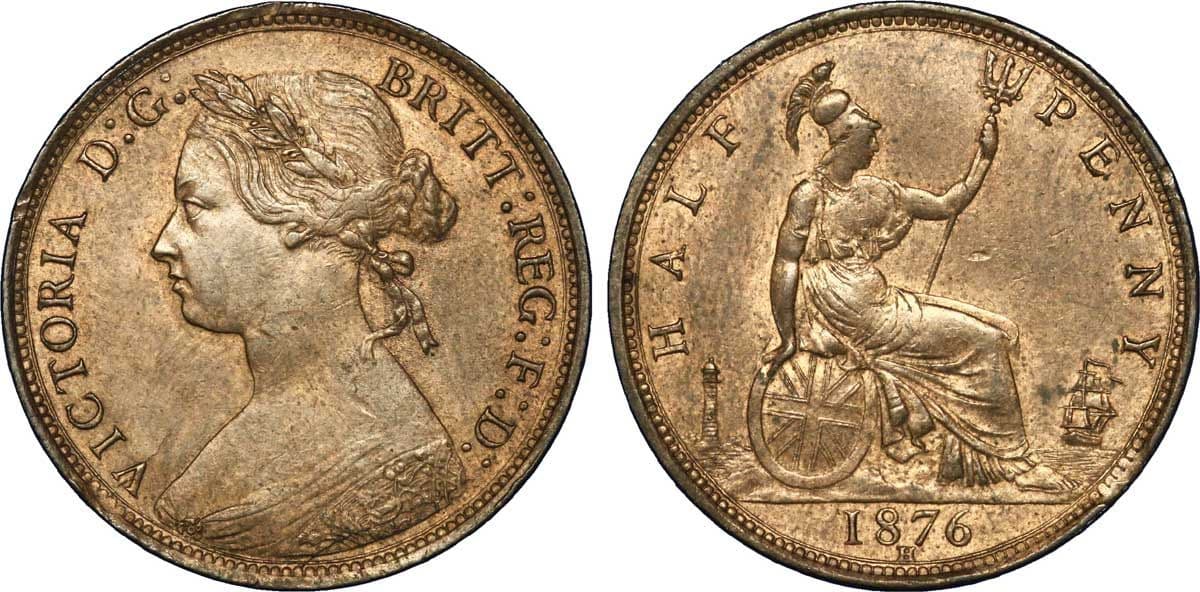
In 1860 Britain replaced its heavy copper pennies with smaller coins of bronze, a harder alloy of copper, following France. The Birmingham mints of Ralph Heaton & Sons and James Watt & Co. struck much of the new coinage. The penny now weighed half as much as before.
On the map
2 places connected with Metals and alloys. Tap a number for directions — some sites are private homes or gardens, so each place’s page says what you can see from the street.

- French Walls Works, Smethwick — Site redeveloped · Directions to French Walls Works, Smethwick (opens Google Maps)
- Birmingham Mint, Icknield Street — Partly surviving, Surviving but altered · Directions to Birmingham Mint, Icknield Street (opens Google Maps)
Key dates
- 1832 — Muntz patents his yellow metalGeorge Frederick Muntz patents a copper-zinc alloy for sheathing ships (No. 6325) and for ships’ bolts (No. 6347). Cheaper than copper and able to be rolled hot, ‘Muntz metal’ is replacing copper on British merchant ships by the 1840s.
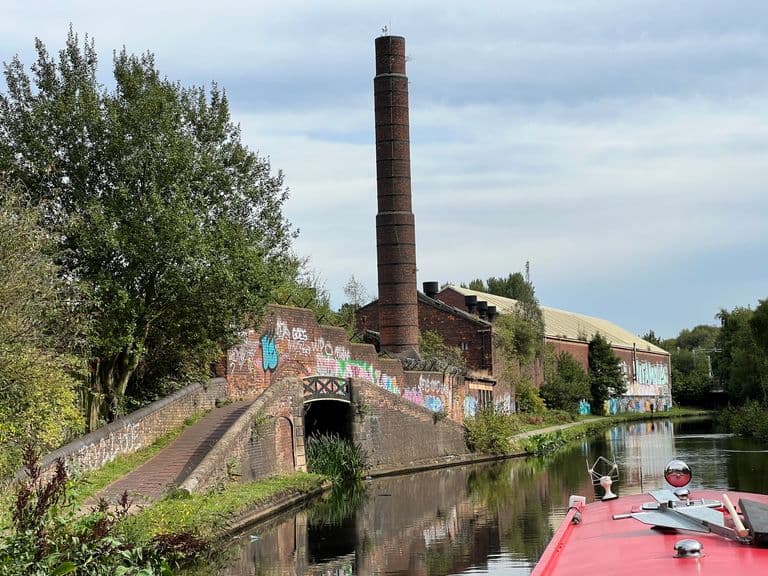
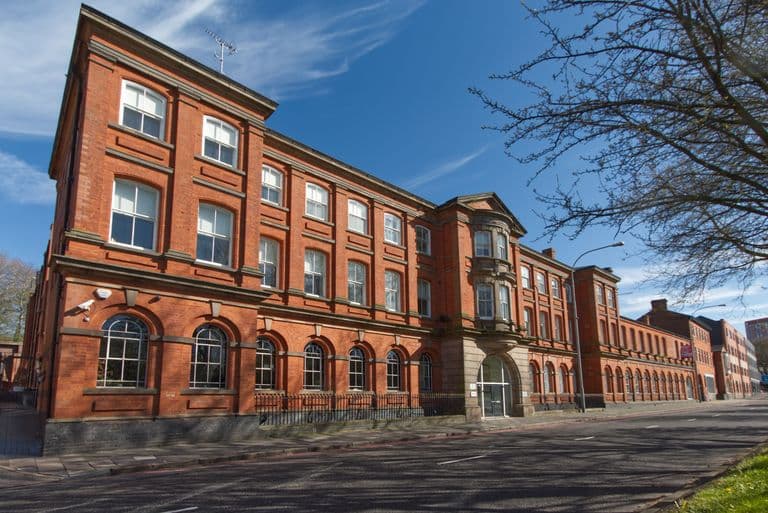
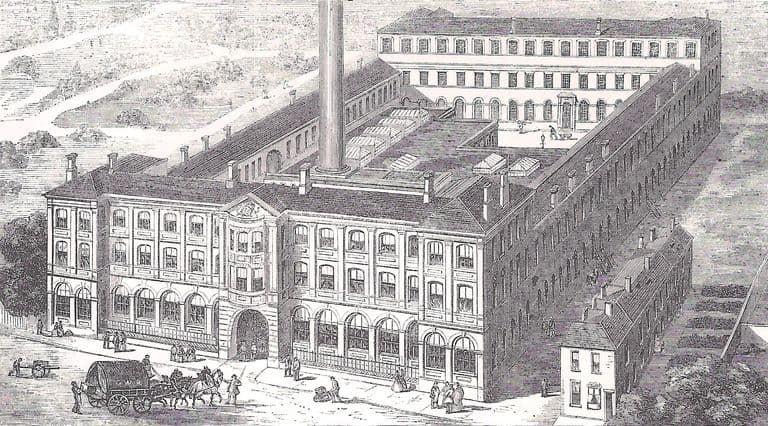
- 1842 — Muntz moves to French Walls, SmethwickWith demand outgrowing his Water Street mill, Muntz buys the French Walls works on the Birmingham Canal opposite Soho Foundry and converts it to non-ferrous metals. It makes yellow metal there until 1932.
- 1860–63 — Birmingham strikes Britain’s new bronze coinsBritain replaces its heavy copper coins with smaller bronze ones. About 285 million are struck in 1860–63, and the Royal Mint contracts much of the work to two Birmingham-area mints, James Watt & Co. at Soho Foundry and Ralph Heaton & Sons.
Sources and further reading
- The Resources, Products, and Industrial History of Birmingham and the Midland Hardware District — Samuel Timmins (ed.), Robert Hardwicke, London, 1866. pp. 263, 313–15, patent tube
- The introduction and use of copper sheathing — a history — Mark Staniforth, Bulletin of the Australian Institute for Maritime Archaeology
- Economic and Social History: Industry and Trade, 1500–1880, in A History of the County of Warwick, vol. 7, pp. 81–139 — W. B. Stephens (ed.), Victoria County History, 1964
- The 1860 bronze recoinage of farthings — Paul M. Holland, British Numismatic Journal 89, 2019
- Muntz, George Frederick — Dictionary of National Biography, vol. 39 — Samuel Timmins, Smith, Elder & Co., 1894