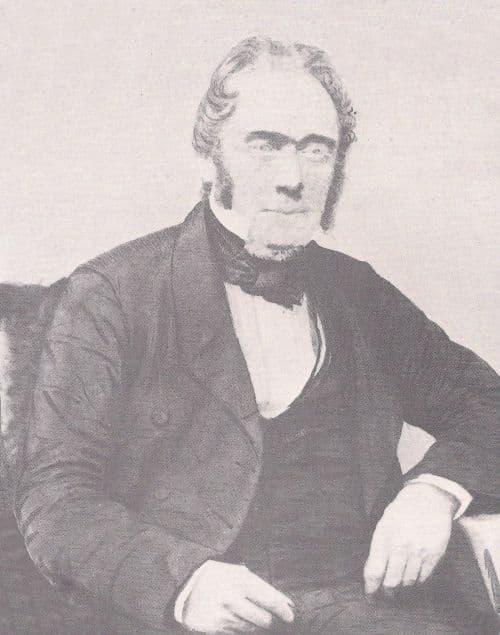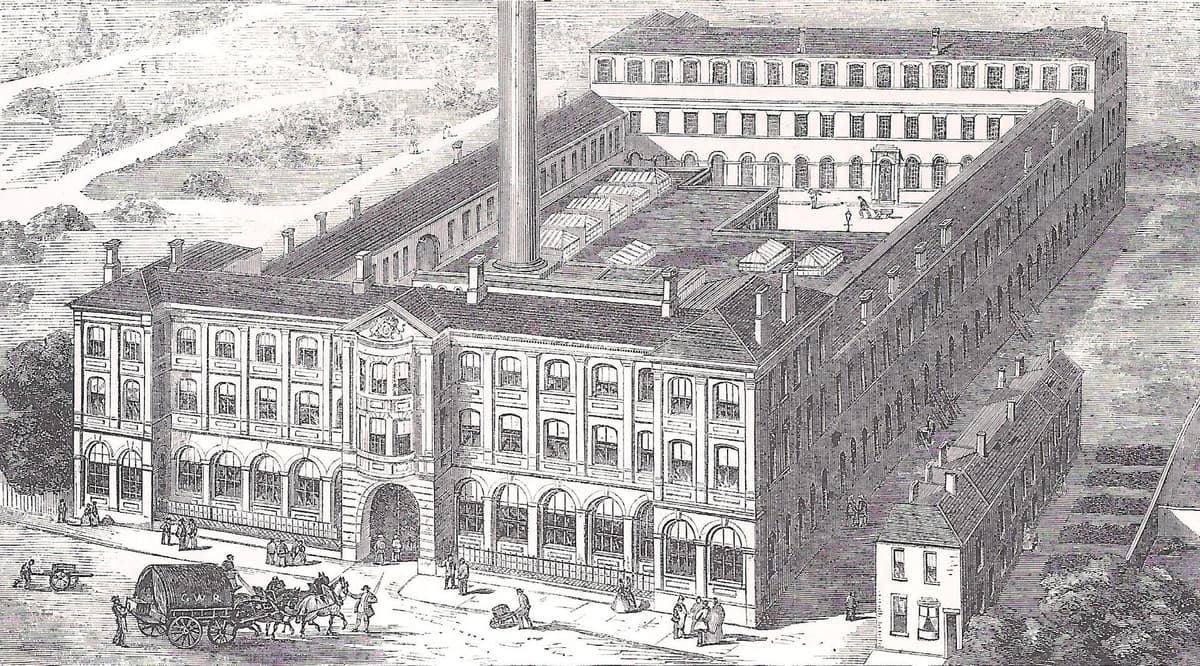
Ralph Heaton I set up a brass foundry in Slaney Street in 1794. His son Ralph Heaton II started his own brassfounding and die-sinking business in Bath Street in 1817. It became Heaton & Son when Ralph III joined in 1847, and Ralph Heaton & Sons when George joined in 1853.
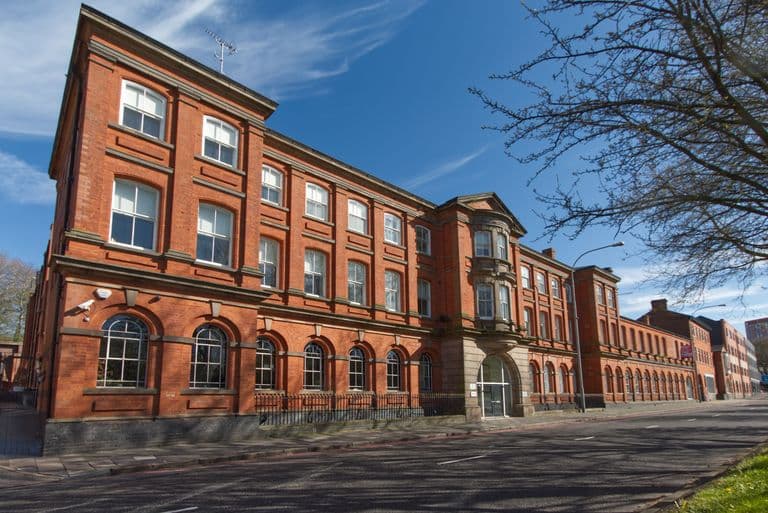
In 1850 Ralph Heaton II bought most of the working plant of the closed Soho Mint. The firm struck coins for Chile in 1851, worked on Britain’s copper coinage from 1853, ran the French mint at Marseilles in the 1850s, struck bronze for Italy in Milan in 1861–62 and was one of the two contractors for Britain’s bronze recoinage of 1860–63. In 1860 it moved to purpose-built works in Icknield Street.
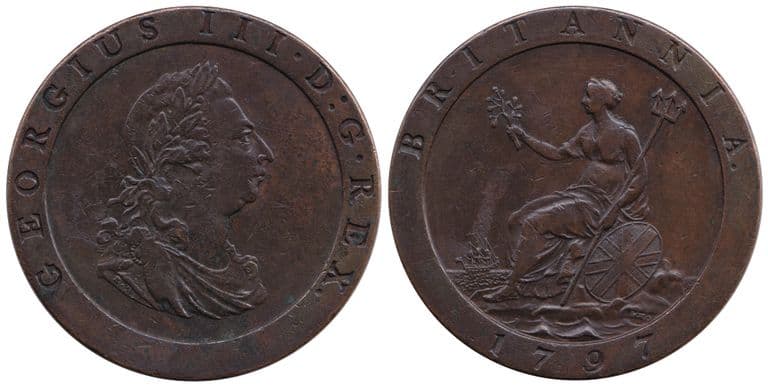
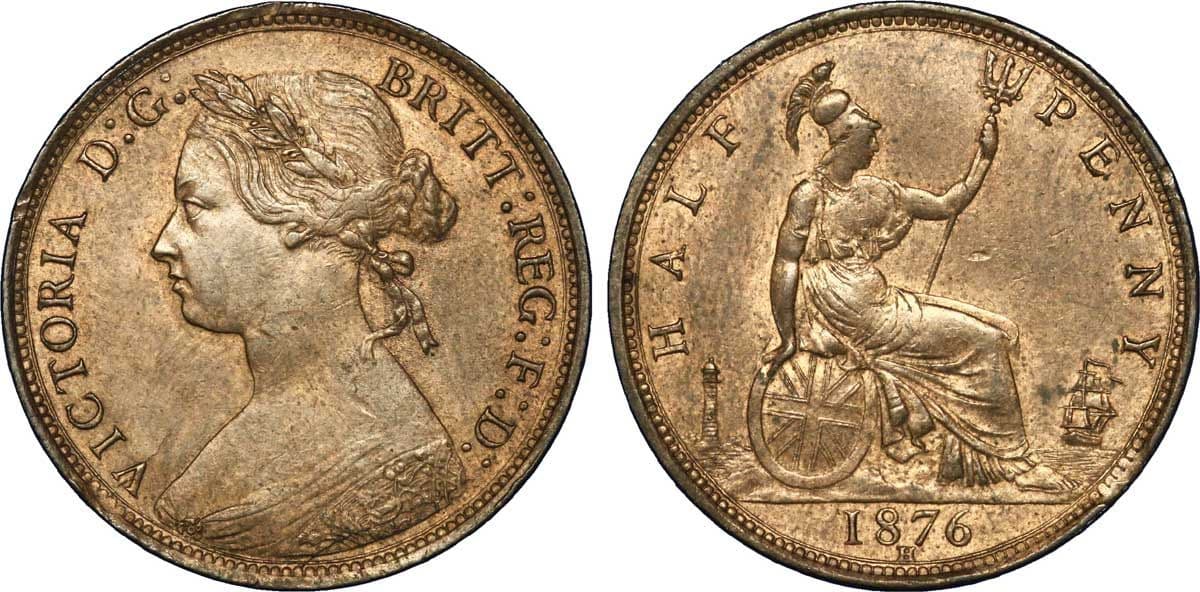
Under Ralph Heaton III the firm marked some British pennies with an H from 1874, and equipped mints at Mandalay and Canton. It became The Mint, Birmingham, Limited in 1889. IMI bought it in 1991 and merged its Witton mint into Icknield Street. The Birmingham Mint went into administration and closed in 2003.
On the map
2 places connected with Ralph Heaton & Sons (the Birmingham Mint). Tap a number for directions — some sites are private homes or gardens, so each place’s page says what you can see from the street.

- Birmingham Mint, Icknield Street — Partly surviving, Surviving but altered · Directions to Birmingham Mint, Icknield Street (opens Google Maps)
- Soho Mint — Lost, Site redeveloped · Directions to Soho Mint (opens Google Maps)
Key dates
- 29 April 1850 — The Soho Mint’s machinery is auctionedA year after the Soho Mint closes, its equipment is sold. Most goes to Ralph Heaton, whose Birmingham Mint carries on the trade, and to James Watt & Co., who open a new mint at Soho Foundry in 1860.
- 1851 — Heaton’s mint strikes coins for ChileA year after buying the Soho Mint’s presses, Ralph Heaton & Sons strike copper coins for Chile, reported to be the first to carry the Heaton ‘H’ mint mark. Contracts for Britain, France and Italy follow.
- 1860–63 — Birmingham strikes Britain’s new bronze coinsBritain replaces its heavy copper coins with smaller bronze ones. About 285 million are struck in 1860–63, and the Royal Mint contracts much of the work to two Birmingham-area mints, James Watt & Co. at Soho Foundry and Ralph Heaton & Sons.
- 1860 — The Heatons move their mint to Icknield StreetRalph Heaton & Sons outgrow Bath Street and move to new works on Icknield Street, beside Warstone Lane Cemetery. Its Italianate front, completed by 1862, survives and is listed Grade II.
- 2003 — The Birmingham Mint closesAfter more than 150 years of coining, the Birmingham Mint goes into administration in March 2003 and closes in May. Its listed Icknield Street front is later converted to housing.
Sources and further reading
- The Resources, Products, and Industrial History of Birmingham and the Midland Hardware District — Samuel Timmins (ed.), Robert Hardwicke, London, 1866. Ralph Heaton, ‘Birmingham Coinage’
- Ralph Heaton and Sons — Grace’s Guide to British Industrial History
- The famous Heaton Mint — George Manz, Coins and Canada, 2002
- The 1860 bronze recoinage of farthings — Paul M. Holland, British Numismatic Journal 89, 2019
- Front Range of the Birmingham Mint facing Icknield Street, and buildings around the courtyard — National Heritage List for England entry 1076314 — Historic England, 1982
- The rise and fall of a private mint: the Birmingham Mint — MünzenWoche / CoinsWeekly, 2017
- The Birmingham Mint — Mints of the World / 24carat.co.uk