
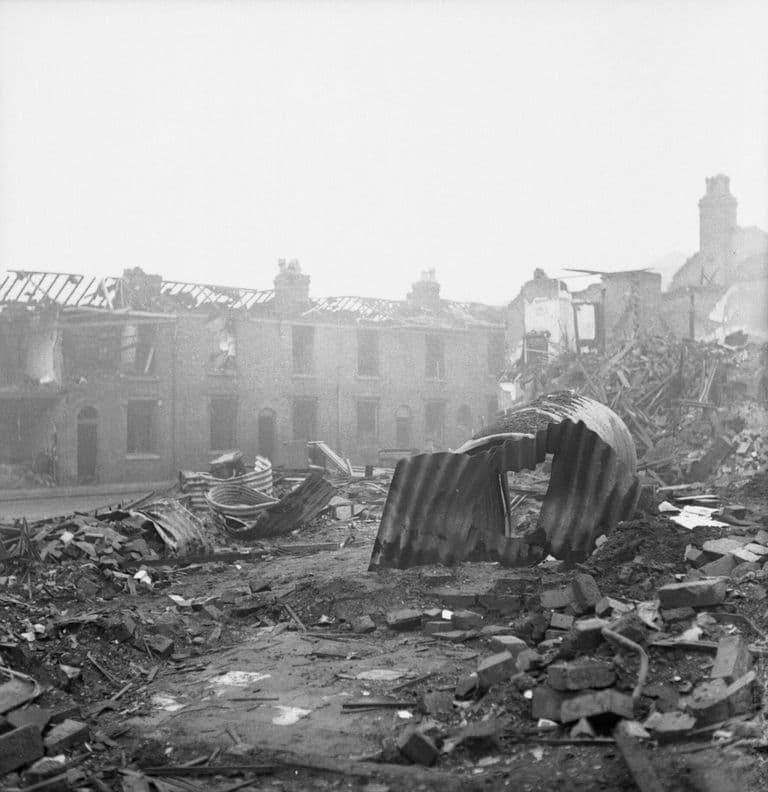
On 27 February 1941 Birmingham’s City Engineer gave an interview to the *Birmingham Mail*. The city was still clearing up after the winter raids. Did the damage mean it would have to be planned all over again?
Herbert Manzoni said no. “We have not got to start replanning Birmingham,” he said. “All we want is the opportunity to carry out the plans we have already.” Any dream that a completely new city would rise “Phoenix-like” from the ruins was, he said, “quite erroneous”.
That answer is the key to the man. The Blitz did not give Birmingham its ring road, its tower blocks or its great clearances. Manzoni had the plans already. The war gave him the powers.
The engineer from Birkenhead
Herbert John Baptista Manzoni was born in Birkenhead in 1899, the son of an Italian sculptor and potter. He studied engineering at Liverpool University and spent three years as a pupil of Birkenhead’s Borough Engineer. In 1923 he came to Birmingham as an engineering assistant in the Sewers and Rivers Section of the Public Works Department. He started, in other words, with the drains.
And: “As to Birmingham’s buildings, there is little of real worth in our architecture. Its replacement should be an improvement, provided we keep a few monuments as museum pieces to past ages.”
He rose fast. By 1927 he was chief engineer of that section and by 1929 deputy City Engineer. On 17 July 1935, in his mid-thirties, he succeeded Herbert Humphries as City Engineer and Surveyor. The council’s own centenary history of planning, published in 1989, called it “the beginning of a remarkable era”.
The most powerful officer in the city
The title undersold the job. Birmingham’s City Engineer and Surveyor looked after roads, sewers, town planning and building, and Manzoni did the work of both engineer and architect. Until 1952 the city did not even have a City Architect. When the council finally created the post, its report went out of its way to praise him: “it is a very high tribute to Mr. Manzoni that he has so far been able so successfully to command so large an undertaking”. People qualified in both fields, it added, were “now very rare”.
He was never elected to anything. His power came from expertise, long service and the trust of the councillors who chaired his committee, above all Frank Price, who had grown up in the inner slums and became chairman of the Public Works Committee in 1954. Price pushed and lobbied; Manzoni planned. In the late 1960s Manzoni told Anthony Sutcliffe that “the influence of officialdom in town-planning in Birmingham has been very considerable”. He would know.
The plan came before the bombs
The ring road was older than Manzoni’s career. In October 1917 the chairman of the Public Works Committee, Councillor Talbot, proposed widening “certain streets near the centre, forming a kind of loop round the centre”. The council fixed the widening lines in January 1918. Its 1989 history notes that his streets were “almost identical” to the line of the Inner Ring Road built forty years later.
Manzoni’s own first great scheme came soon after he took charge. He drew up a plan to rebuild a whole district, Duddeston and Nechells, separating homes from factories. It grew to 267 acres and the council approved it in November 1937. By 1941 his department was planning more such areas, at Gooch Street, Summer Lane and Ladywood. In September 1939 he wrote a paper on city planning for a British–American engineering congress in New York.
So when the bombs came, he was ready. The planning historian Peter Larkham shows that Manzoni had already picked out five slum-clearance areas and the line of the ring road, “ideas which predated the bombing”. Nor had the raids done the clearing for him. As the historians Anthony Sutcliffe and Roger Smith put it, even after the bombing his slum-clearance task was “still almost as great as it had been in 1939”.
Getting the powers
When the West Midland Group on Post-War Reconstruction and Planning was set up in January 1941, he was one of only two representatives of the city council in it. On 16 October 1941 he sent the Public Works Committee a confidential report on central city planning, built round a ring road. Four advisory panels followed. The committee approved the ring road in principle on 29 April 1943. In July 1945 the council agreed to go to Parliament, and the Birmingham Corporation Act 1946 gave it the power to build the road and buy the land.
The national Town and Country Planning Act of 1944 let councils buy up whole districts. Manzoni later recalled that “we in Birmingham were ready, because our plans had already been drawn up in detail”. He went further: the city was ready “because we’d shaped the legislation for it, or at least we had been there while it was being shaped”. Larkham’s dry comment: by “we”, Manzoni meant himself. In 1947 the council completed the purchase of about 1,400 acres in five areas round the centre.
“Little of real worth”
Then came years of shortages. The ring road waited until 1957 for a minister to pay for it. When the money came, Manzoni did not apologise for what had to go.
The words most often quoted against him are dated 1957 by the council’s own 1989 history: “I have never been very certain as to the value of tangible links with the past. They are often more sentimental than valuable. In fact, I sometimes deplore the modern tendency to pay exaggerated respect to everything old.” And: “As to Birmingham’s buildings, there is little of real worth in our architecture. Its replacement should be an improvement, provided we keep a few monuments as museum pieces to past ages.” Future generations, he thought, would be “better occupied in applying their thoughts and energies to forging ahead, rather than looking backward.”
He meant it. Writing about the slums in 1955 he argued that “the whole area must be new and it must look completely different”. Yet he was not simply a friend of the motor car. His design rule was that no point in the centre should be more than 300 yards from the ring road, where car parks and bus stops would be. “The intention was that people should not bring their cars into the city centre,” he recalled in 1968.
The critics
They were loud. In 1959 the planner Leslie Ginsburg wrote that the ring road looked like “the greatest traffic and town design tragedy yet to afflict an English city”. In 1960 the critic Ian Nairn found the planned rebuilding of the centre “disastrously ham-handed as it appears in the concrete”. The architect John Madin, interviewed a few years later, said: “basically Manzoni was a road engineer … this was his limitation.”
Others were dazzled. In 1966 Nikolaus Pevsner and Alexandra Wedgwood judged that Birmingham under Manzoni and its City Architect had been “at least as bold” as Coventry, on a scale “three times as large”: “The courage in fact of devising a completely new set of roads and open spaces in the very centre of the city is wholly admirable.”
The finished city
He was knighted in 1954. In 1960 he became President of the Institution of Civil Engineers. He retired in 1963, and died on 18 November 1972. The Queen had opened his ring road the year before. In 1974 the historians Anthony Sutcliffe and Roger Smith dedicated their history of modern Birmingham to his memory, calling him “the creator of modern Birmingham”.
Why it mattered
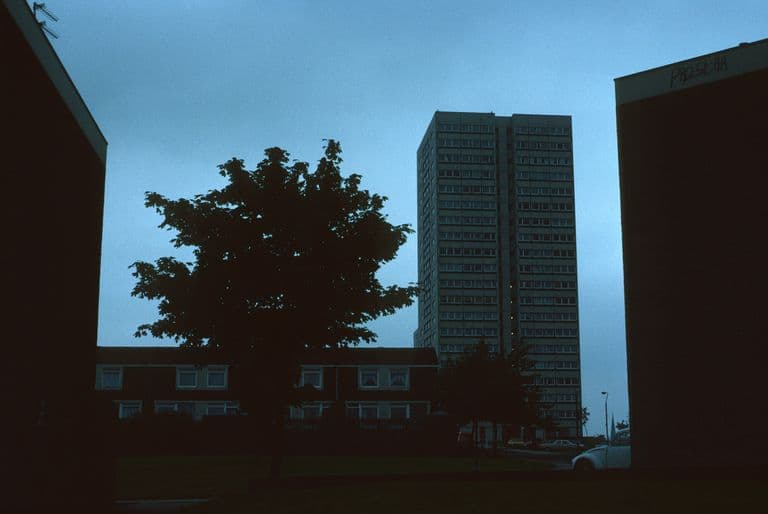
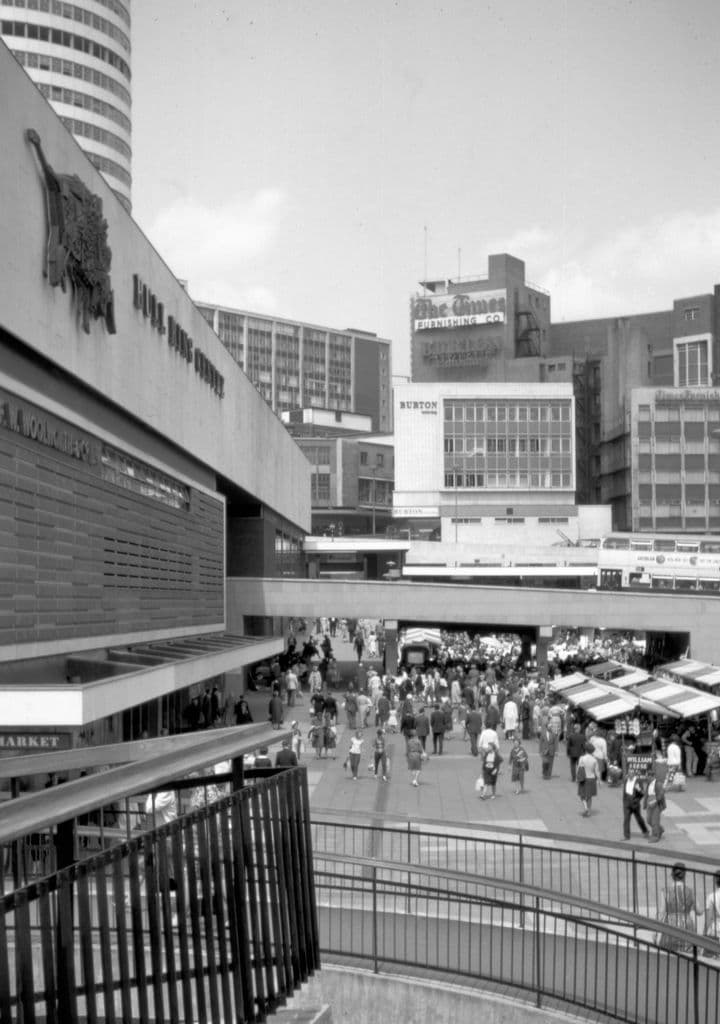
No council officer has left a bigger mark on an English city. Manzoni gave Birmingham a road system, five rebuilt districts and tens of thousands of new homes. As one architectural historian observed, far more of the city was rebuilt than in Manchester, Liverpool or Leeds. He also gave it subways, severed neighbourhoods and the loss of buildings that today would be treasured. The historian Carl Chinn put both sides in one sentence: Manzoni “cared deeply for the city”, but “did not understand nor seek to understand either working-class culture or the need for proper consultation”.
Within seventeen years of the ring road’s completion the city resolved to break what people now called its “concrete collar”, and much of it has gone. That is the final twist. Manzoni believed a city should never be held hostage by what it had built before. Birmingham took him at his word, and turned the same unsentimental eye on his work. In that, at least, it is still his city.
A long read
Herbert Manzoni: the man who remade Birmingham
This page is his life in brief. The long read follows what he planned, what Birmingham lost and gained, and why the city later undid so much of it.
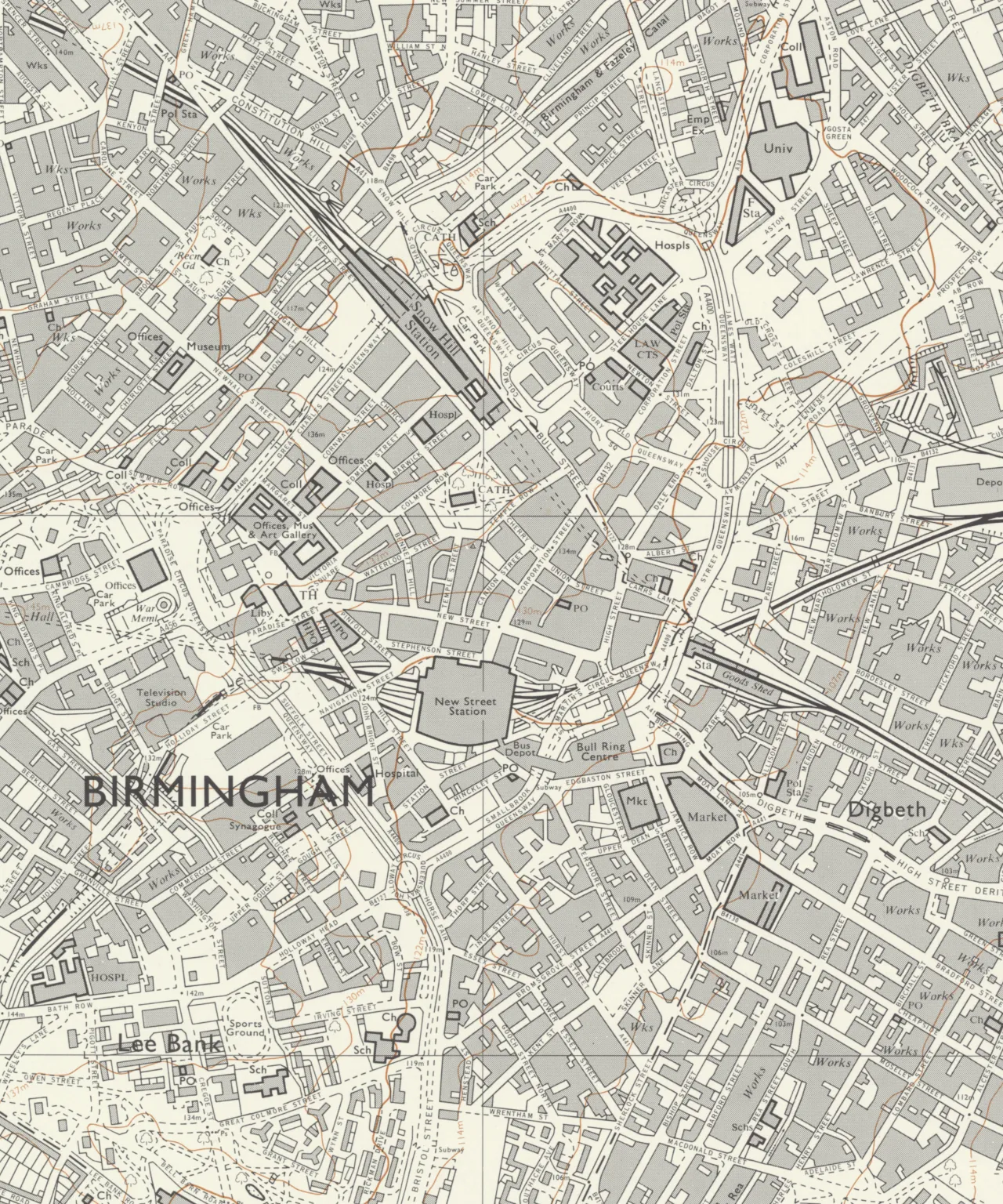

On the map
4 places connected with Herbert Manzoni. Tap a number for directions — some sites are private homes or gardens, so each place’s page says what you can see from the street.

- Summer Lane and the old Newtown — Site redeveloped
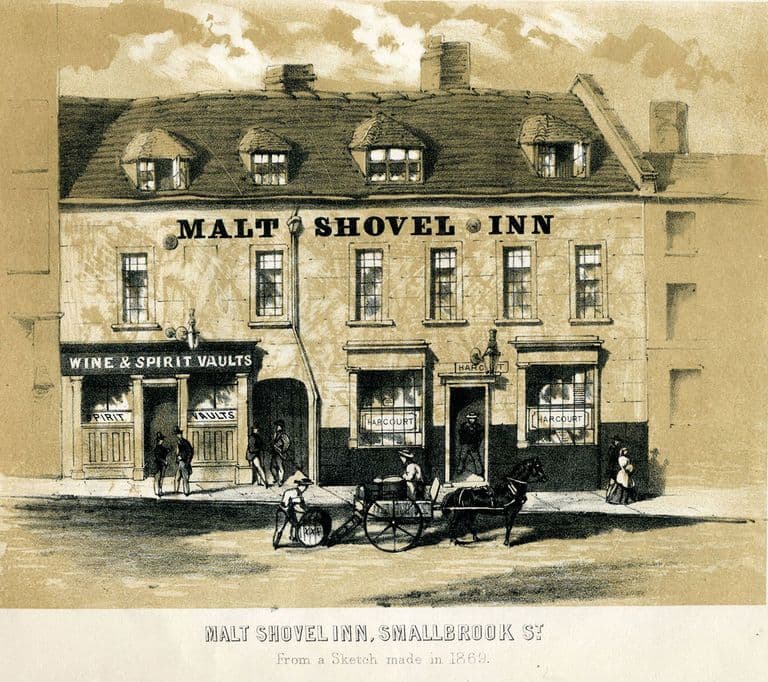
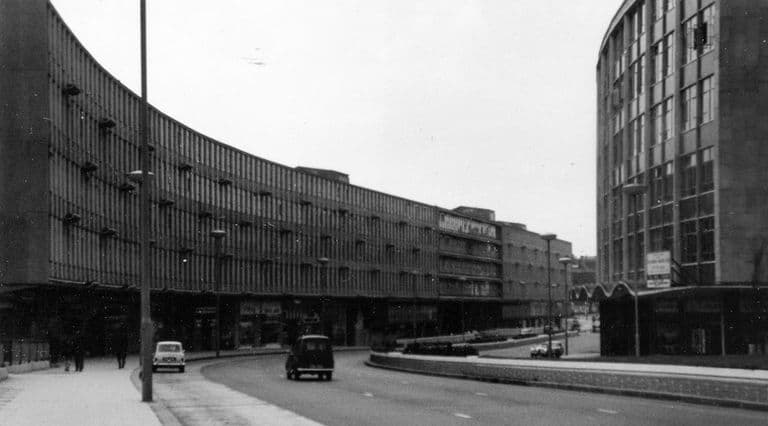
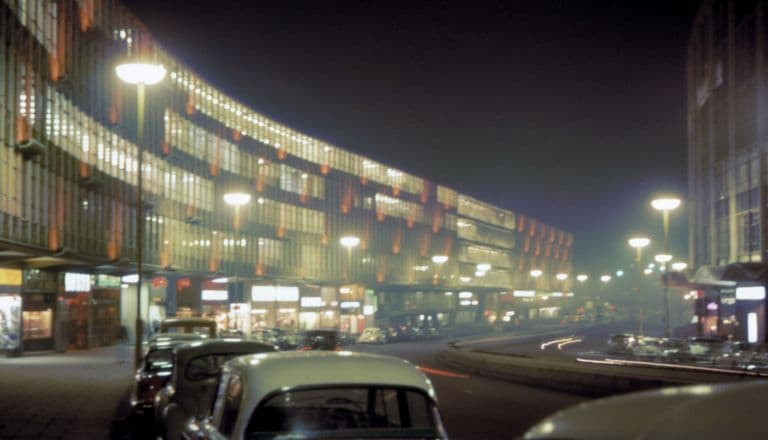
- Smallbrook Street — Lost, Site redeveloped
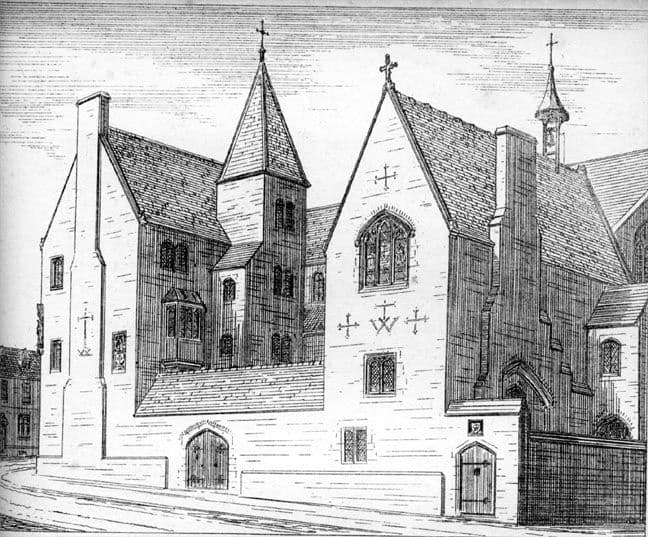
- Bishop’s House, Bath Street — Lost · Directions to Bishop’s House, Bath Street (opens Google Maps)
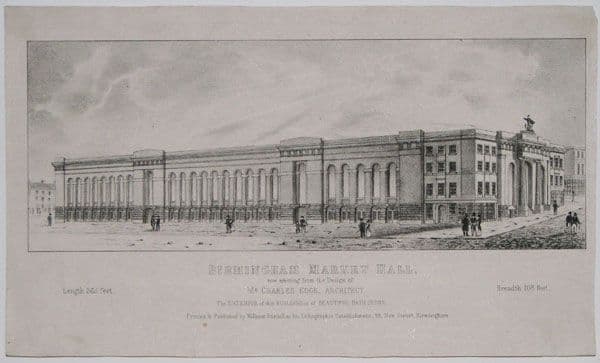
- Birmingham Market Hall — Lost, Site redeveloped · Directions to Birmingham Market Hall (opens Google Maps)
Key dates
- 1899 — Herbert Manzoni is born in BirkenheadHerbert John Baptista Manzoni is born in Birkenhead, the son of an Italian sculptor and potter. He will study engineering at Liverpool University.
- October 1917 — A ‘loop’ of streets round the centre is proposedA Public Works Committee report on road widths includes Councillor Talbot’s plan to widen ‘certain streets near the centre, forming a kind of loop round the centre’. The council’s 1989 history says the streets were almost identical to the line of the later Inner Ring Road. Widening lines were approved in January 1918.
- 1923 — Manzoni joins Birmingham’s Public Works DepartmentManzoni comes to Birmingham as an engineering assistant in the Sewers and Rivers Section of the Public Works Department. Four years later he is chief engineer of the section, and in 1929 deputy City Engineer.
- 17 July 1935 — Manzoni becomes City Engineer and SurveyorIn his mid-thirties, Manzoni succeeds Herbert Humphries as City Engineer and Surveyor, in charge of roads, sewers, planning and building. He will hold the post for 28 years.
- November 1937 — Duddeston and Nechells redevelopment plan approvedThe council approves Manzoni’s plan to redevelop 267 acres of Duddeston and Nechells as a whole, separating homes from industry. It is the city’s first comprehensive redevelopment area plan, drawn up before the war.
- September 1939 — Manzoni’s planning paper for a New York congressManzoni writes a paper on city planning and the Restriction of Ribbon Development Act 1935 for the British–American Engineering Congress in New York; the Institution of Civil Engineers publishes it in November 1939.
- 27 February 1941 — ‘We have not got to start replanning Birmingham’Asked by the Birmingham Mail whether the bombing has changed his plans, Manzoni says no: ‘we have not got to start replanning Birmingham. All we want is the opportunity to carry out the plans we have already.’
- 1 January 1941 — Manzoni appointed CBE for civil defence workIn the New Year Honours Manzoni, as City Engineer and Surveyor of Birmingham, is made a CBE ‘for services in connection with Civil Defence’.
- June 1942 — Manzoni’s paper on post-war planningThe Journal of the Institution of Civil Engineers publishes Manzoni’s paper ‘Post-war planning and reconstruction’, covering housing, slums, traffic and roads.
- 29 April 1943 — Ring road approved in principleThe Public Works Committee approves Manzoni’s ring-road proposals in principle. The line follows the inner loop first suggested in 1917 and uses bombed sites where it can.
- 7–23 May 1946 — Commons committee examines the Birmingham Corporation BillA House of Commons committee examines the city’s Bill for the ring road. Some clauses are removed, including one letting the council make parking spaces a condition of planning permission, after the Chamber of Commerce objects.
- 1 January 1954 — Manzoni knightedManzoni is knighted in the New Year Honours. On 16 February 1954 Queen Elizabeth the Queen Mother, acting for the Queen, confers the knighthood at Buckingham Palace.
- 1957 — ‘Little of real worth in our architecture’Manzoni says he has ‘never been very certain as to the value of tangible links with the past’ and that ‘there is little of real worth in our architecture’. The council’s 1989 history dates the words to 1957; where he said them has not been traced.
- 1 October 1959 — Ginsburg calls the ring road a ‘tragedy’In the Architects’ Journal, Leslie Ginsburg of the Birmingham School of Planning warns that the ring road ‘looks like being the greatest traffic and town design tragedy yet to afflict an English city’.
- 1960 — Manzoni becomes President of the Institution of Civil EngineersManzoni becomes President of the Institution of Civil Engineers for 1960–61. He chairs his last meeting as retiring President on 7 November 1961.
- March 1961 — Manzoni describes the Inner Ring Road to engineersIn the Proceedings of the Institution of Civil Engineers Manzoni calls the ring road ‘a city street of novel character – it is not an urban motorway, nor principally a traffic street or a shopping street’.
- 1963 — Manzoni retiresManzoni retires as City Engineer and Surveyor after 28 years in the post. Neville Borg succeeds him.
- 1966 — Pevsner praises Birmingham’s ‘courage’Nikolaus Pevsner and Alexandra Wedgwood’s Warwickshire calls the courage of devising a completely new set of roads and open spaces in the centre of Birmingham ‘wholly admirable’, though they find the city’s high housing disappointing.
- 18 November 1972 — Death of Sir Herbert ManzoniManzoni dies in Birmingham, the year after the Queen opened his Inner Ring Road. In 1974 Sutcliffe and Smith dedicate their history of Birmingham 1939–1970 to his memory.
Sources and further reading
Birth: Wikipedia gives 21 March 1899, citing the Oxford Dictionary of National Biography, which could not be read; the day is therefore not used. A forum post says he was born in Wallasey; Birkenhead is given by the Moseley Society, Keith Jordan and the ODNB as cited by Wikipedia.
Father: the Moseley Society calls him an Italian potter and sculptor working in the Arts and Crafts style; Wikipedia, citing the ODNB, says a Milanese sculptor. He is very probably Carlo Manzoni of the Della Robbia Pottery, Birkenhead, but no source read names him as Herbert’s father, and Carlo is recorded as born in Turin.
Joining Birmingham: Phil Jones (citing Tiptaft, 1952) says 1927. Jordan and the Moseley Society say he joined in 1923 and Jordan says he became chief engineer of his section in 1927, which explains the difference.
The 1957 remark: the earliest source found is Birmingham City Council’s Developing Birmingham (1989), p. 96, which dates it to 1957 but does not say where it was said or written. Later writers all follow that text.
CBE: the London Gazette spells his middle name ‘Baptiste’ in 1941 and ‘Baptista’ in 1953–54.
Council approval of the ring-road Bill: July 1944 (Jordan) or July 1945 (Larkham, from council minutes); this text follows Larkham.
The often-repeated claim that he wanted buildings to last only fifteen or twenty years has no traceable source and is not used.
- Replanning post-war Birmingham: process, product and longevity — Peter J. Larkham, architectura 46, 2016. pp. 4–6, 22–23: Birmingham Mail 27 Feb 1941; 1943 approval; 1945 Bill; 1946 Act; ‘shaped the legislation’; Frank Price; critics
- Developing Birmingham 1889–1989: 100 Years of City Planning — Birmingham City Council Development Department, Birmingham City Council (printed by The Studio Print Group), 1989. 1917 report and January 1918 widening lines; 1935 succession; 1937 Nechells plan; 1957 remark (p. 96)
- History of Birmingham, vol. III: Birmingham 1939–1970 — Anthony Sutcliffe and Roger Smith, Oxford University Press for Birmingham City Council, 1974. dedication and preface; 1952 City Architect report; West Midland Group; Manzoni on the ring road
- The Inner Ring Road, Underpasses & Murals of Birmingham — Keith M. Jordan, Sutton Coldfield Local History Research Group, 2006. ch. 3, p. 7: career dates, 17 July 1935, death 18 November 1972
- Sir Herbert Manzoni, CBE — Fred Price, Moseley Society. birth, parentage, 1923 arrival, home in Moseley
- London Gazette, Supplement 35029, 31 December 1940 (New Year Honours 1941), p. 12 — The London Gazette, 1941. CBE, New Year Honours 1941
- London Gazette, Supplement 40053, 29 December 1953 (New Year Honours 1954), p. 2 — The London Gazette, 1954. knighthood announced, New Year Honours 1954
- London Gazette, Issue 40105, 19 February 1954, pp. 1077–1078 — The London Gazette, 1954. knighted at Buckingham Palace, 16 February 1954
- City-planning, with special reference to the operation of the Restriction of Ribbon Development Act, 1935 (paper at the British-American Engineering Congress at New York in September 1939) — H. J. B. Manzoni, Journal of the Institution of Civil Engineers 13(1), pp. 7–20, 1939. Ref. doi:10.1680/ijoti.1939.14432
- The President 1960–1961: Sir Herbert John Baptista Manzoni (a biographical note) — Institution of Civil Engineers, Proceedings of the Institution of Civil Engineers 15(4), pp. 5–6, 1960. Ref. doi:10.1680/iicep.1960.11817
- The Inner Ring Road, Birmingham — Sir H. J. B. Manzoni, Proceedings of the Institution of Civil Engineers 18(3), pp. 265–282, 1961. Ref. doi:10.1680/iicep.1961.11539
- Warwickshire (The Buildings of England) — Nikolaus Pevsner and Alexandra Wedgwood, Penguin, 1966. Introduction
- Carl Chinn: Change came fast with Herbert Manzoni — Carl Chinn, Birmingham Mail, 2013
- A History of the County of Warwick, vol. 7: The City of Birmingham — The Growth of the City, pp. 4–25 — W. B. Stephens (ed.), Victoria County History, 1964. 1947 purchase of the five areas
Comments
Comments will load here.