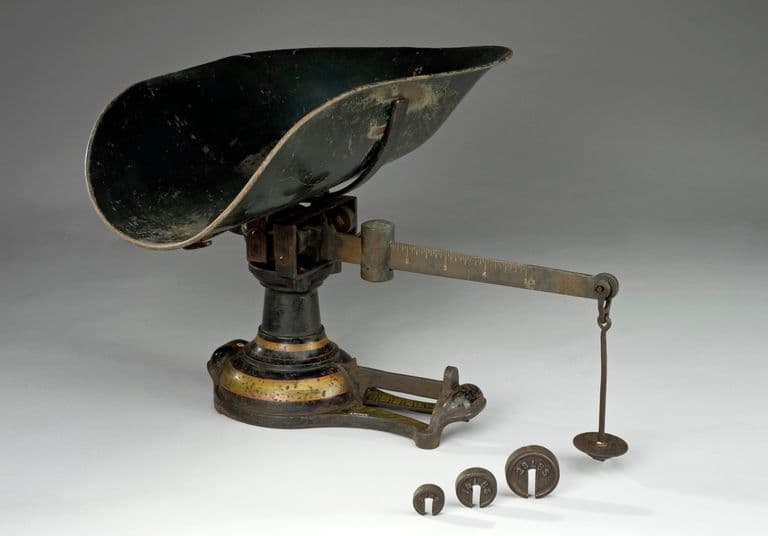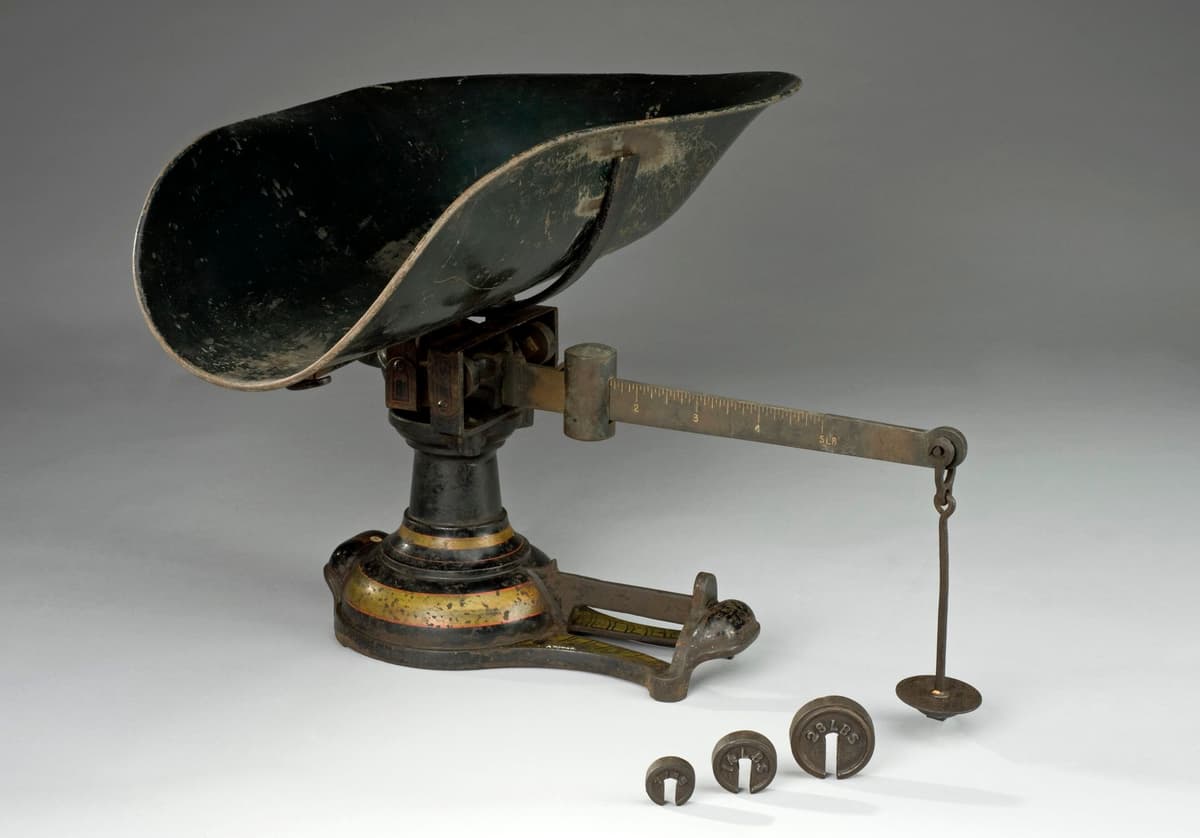
The business traces its roots to about 1730, when James Ford made steelyards and beam scales by hand in Birmingham. It passed through the Barton, Beach and Balden families until, in 1813 or 1814, William Avery, a mercer, inherited it from his cousin Joseph Balden and took his brother Thomas into partnership as W & T Avery, scale-beam makers, in Digbeth.
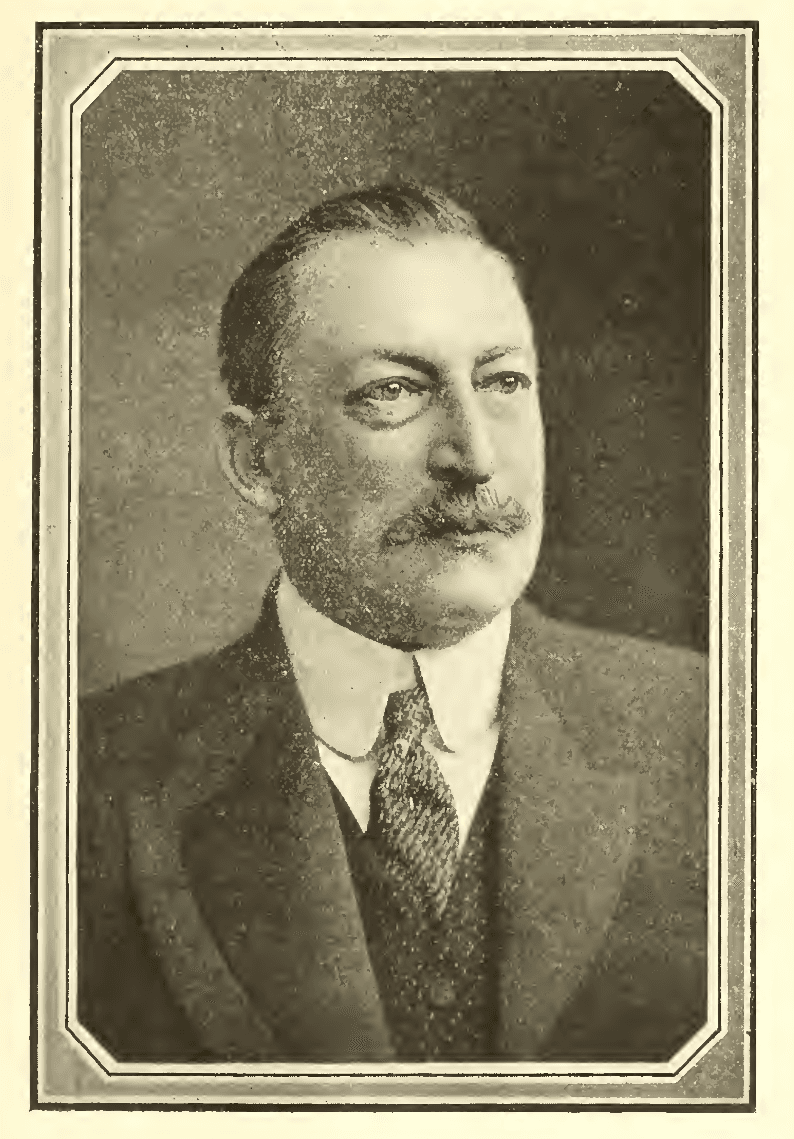
William’s sons, William Henry and Thomas Avery, expanded it, building the Atlas Works at West Bromwich in 1854 and works at Mill Lane and Moat Lane in Birmingham. Thomas withdrew in the 1860s. From 1881 William Henry’s sons, William Beilby Avery and Henry J. Avery, ran the firm, which then employed 600 to 700 people. It became a private company in 1891 and a public one in 1894.
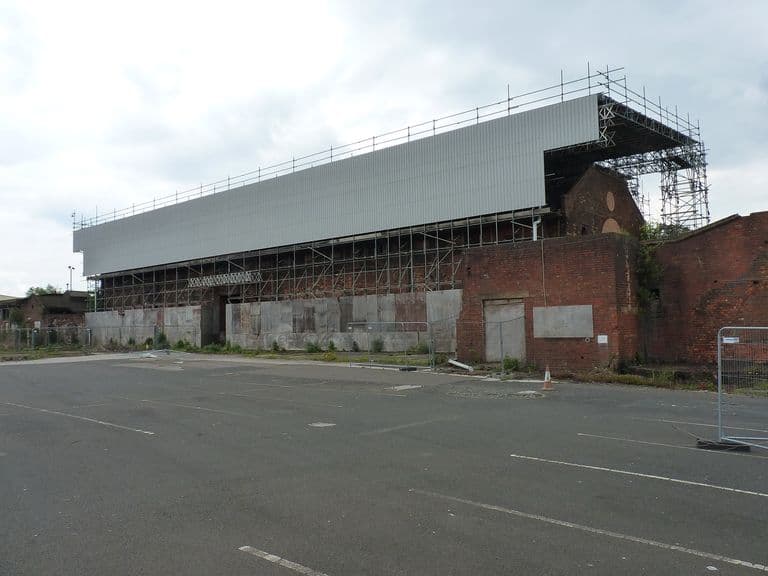
In 1895 W & T Avery bought Soho Foundry, at Smethwick, from the failing James Watt & Co. Under its managing director W. E. Hipkins it closed its other works and moved everything to Soho, keeping only an office in Digbeth. By 1914 it had more than doubled the works and employed 3,000 people, with sales and service branches in about 100 British towns. It also made testing machines, including a 300-ton machine for the University of Birmingham in 1909.
By the late 1960s W & T Avery was the largest maker of weighing, counting and testing machines in the world. GEC bought it in 1979; it later became Avery Berkel and, from 2000, Avery Weigh-Tronix, still at Soho Foundry.
On the map
2 places connected with W & T Avery. Tap a number for directions — some sites are private homes or gardens, so each place’s page says what you can see from the street.

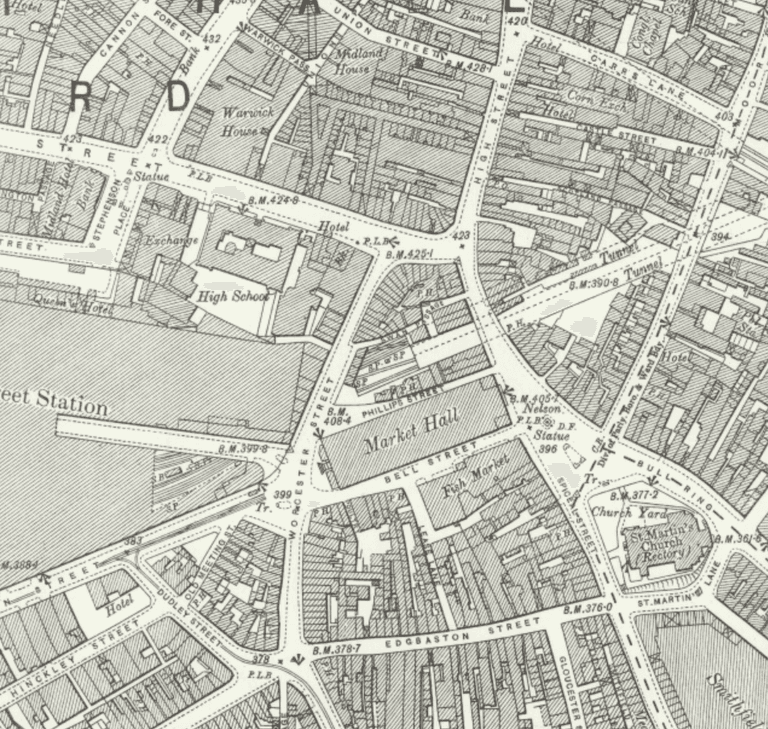
- Smithfield Market — Lost, Site redeveloped · Directions to Smithfield Market (opens Google Maps)
- Soho Foundry — Partly surviving, At risk · Directions to Soho Foundry (opens Google Maps)
Key dates
- 1895 — Avery buys Soho FoundryW & T Avery, the weighing-machine makers, buy Soho Foundry from the failing James Watt & Co. and move all their manufacturing there. George Tangye takes custody of the Boulton & Watt papers.
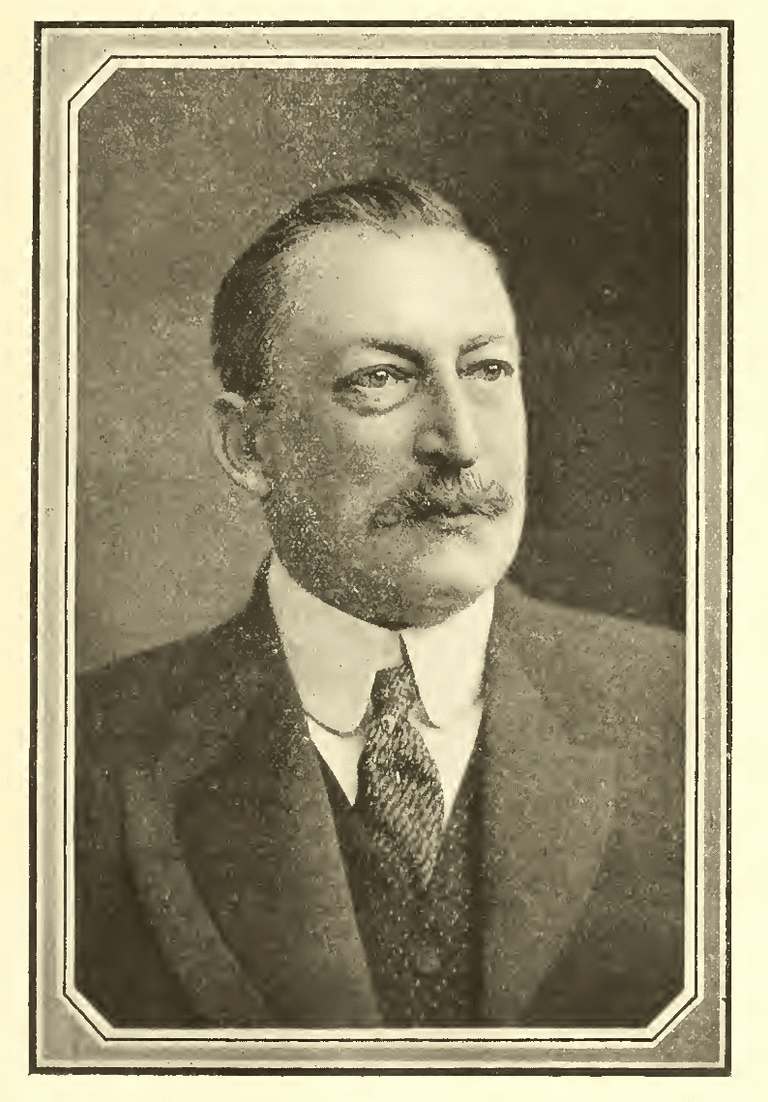
- 15 April 1912 — Avery’s managing director lost on the TitanicWilliam Edward Hipkins, managing director of W & T Avery and the man who moved the firm into Soho Foundry, dies when the Titanic sinks on the way to America.
Sources and further reading
- W. and T. Avery — Grace's Guide
- William Avery — Grace's Guide
- William Beilby Avery — Grace's Guide
- William Edward Hipkins — Grace's Guide
- Smethwick: Economic history, in A History of the County of Stafford, vol. 17, pp. 107–118 — M. W. Greenslade (ed.), Victoria County History, 1976