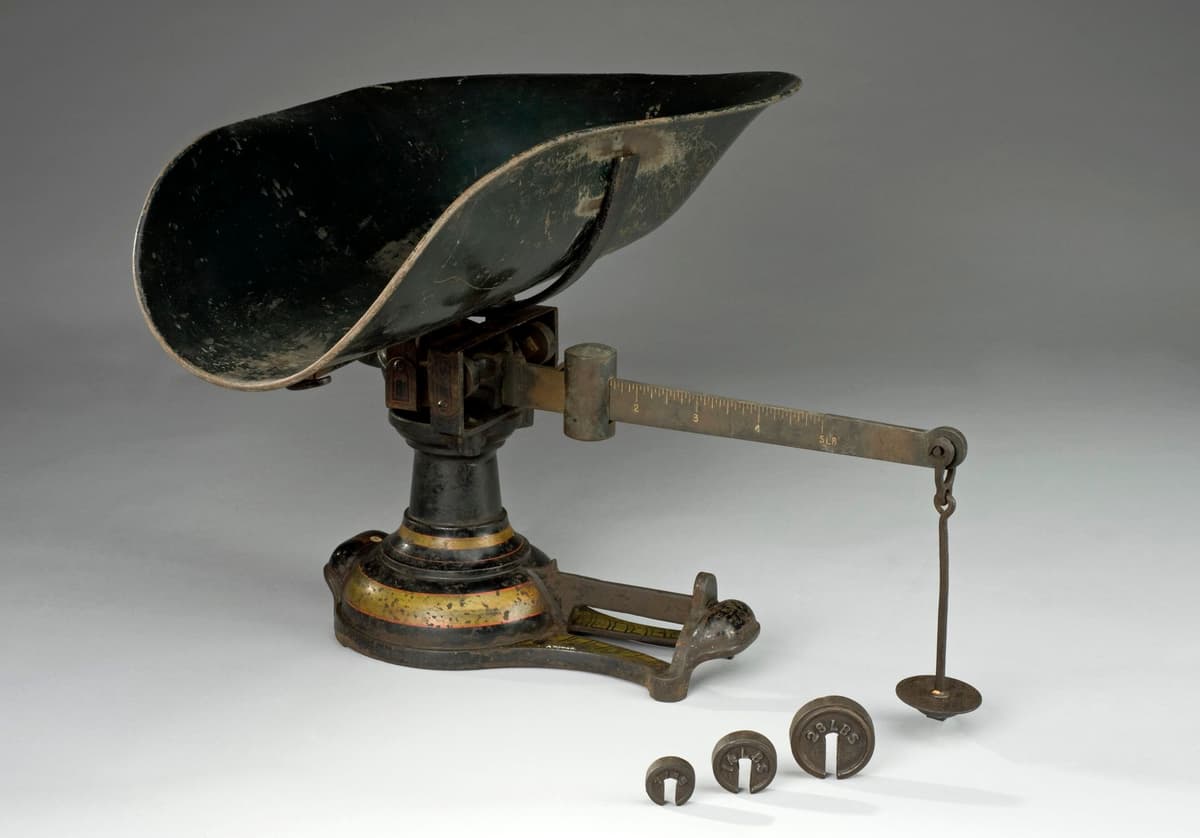
Every shop, mill, railway yard and post office needed to weigh things, and Birmingham made the machines. By about 1730 James Ford was making steelyards and beam scales by hand in the town, and his business passed through several families to the Averys in 1813–14. As W & T Avery, the firm made scale beams in Digbeth, then platform scales, sack scales and fine brass and agate beam scales in several works, and iron castings at West Bromwich.
Trusting the scales
Weighing is about trust. The Weights and Measures Act of 1889, which William Beilby Avery was said to have done most to bring about, set national standards for trade scales and their inspection. When later rules required every trade scale to be stamped, Avery opened sales and service branches in about 100 British towns. By 1871 there were 452 weighing-machine makers in Birmingham, compared with 103 in 1841.
From engines to scales
In 1895 Avery bought Soho Foundry at Smethwick, where Boulton & Watt and their successors had built steam engines for a century. Avery kept some of the old engines going for decades, but turned the works over to weighbridges, shop scales, automatic weighers and testing machines. By the late 1960s it was the largest maker of weighing, counting and testing machines in the world.
Avery machines still turn up across the old British Empire, on railway platforms and in shops, and the firm’s successor is still based at Soho Foundry.
Key dates
- 1895 — Avery buys Soho FoundryW & T Avery, the weighing-machine makers, buy Soho Foundry from the failing James Watt & Co. and move all their manufacturing there. George Tangye takes custody of the Boulton & Watt papers.
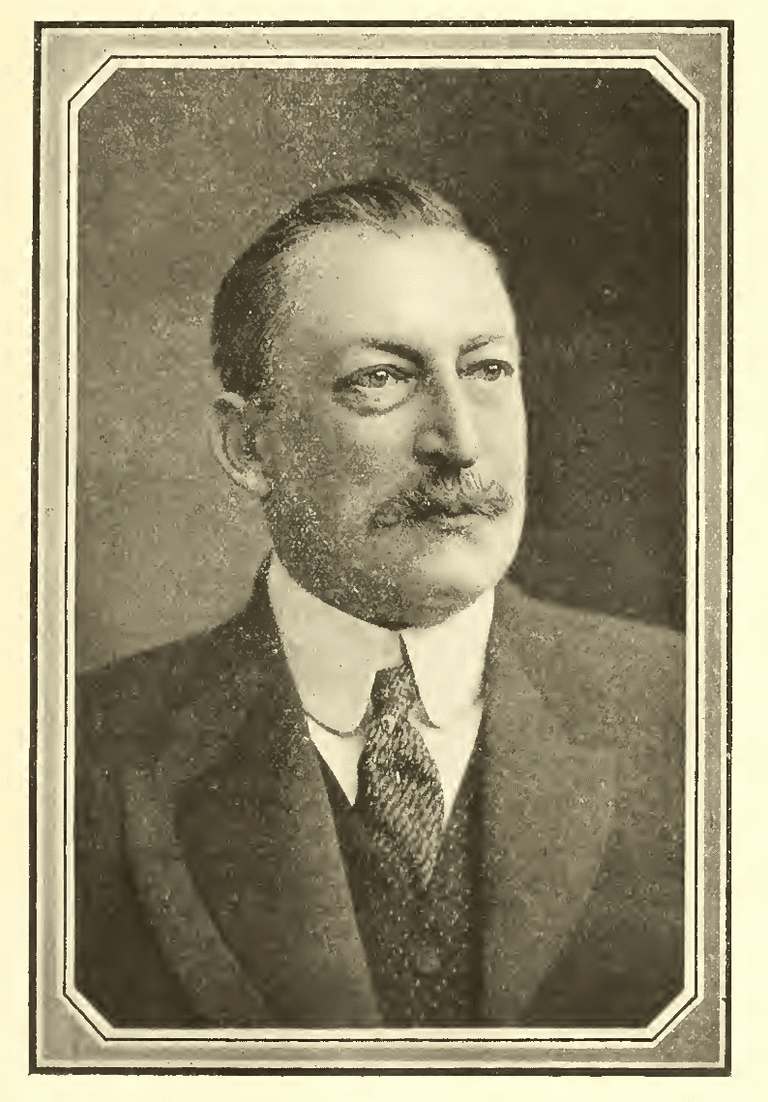
- 15 April 1912 — Avery’s managing director lost on the TitanicWilliam Edward Hipkins, managing director of W & T Avery and the man who moved the firm into Soho Foundry, dies when the Titanic sinks on the way to America.
Sources and further reading
- W. and T. Avery — Grace's Guide
- William Beilby Avery — Grace's Guide
- Smethwick: Economic history, in A History of the County of Stafford, vol. 17, pp. 107–118 — M. W. Greenslade (ed.), Victoria County History, 1976
- Economic and Social History: Industry and Trade, 1500–1880, in A History of the County of Warwick, vol. 7, pp. 81–139 — W. B. Stephens (ed.), Victoria County History, 1964