
North Birmingham is often left out of the city’s history, as if it only began with the council estates of the 1920s and 1930s. The places in this collection show how much older and stranger its story is.
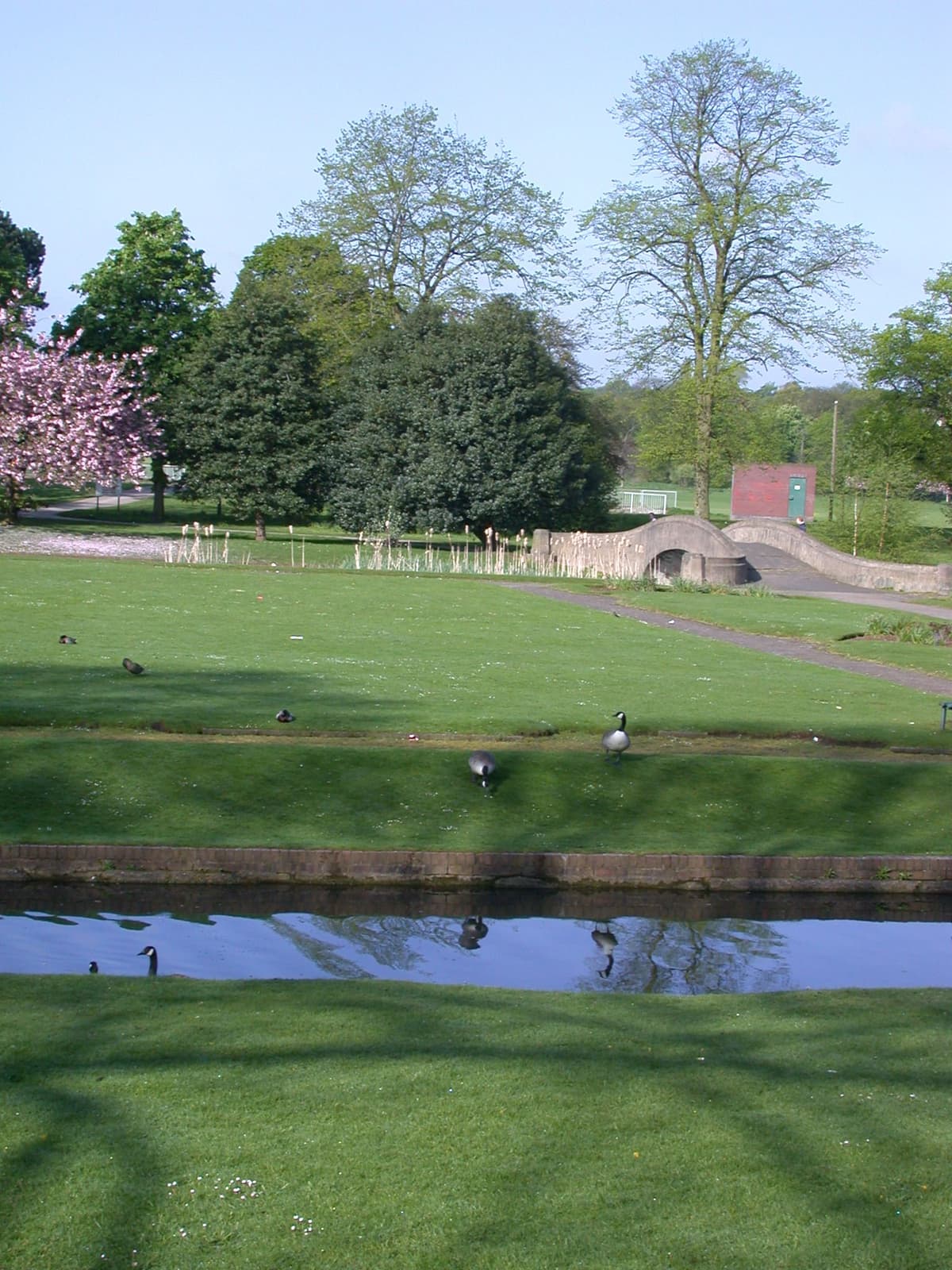
Long before Kingstanding was built, the land was run from moated houses. The de Erdingtons lived at Erdington Hall from the twelfth century; its 17th-century successor was demolished in 1912 for Tyburn Road. At Perry Barr, the Goughs and later the Lords Calthorpe owned Perry Hall, whose estate held most of the farms that became the Kingstanding, Kettlehouse and Warren Farm estates. The hall came down in the late 1920s. Its moat is still there in Perry Hall Park.
Industry came too. Kynoch’s works at Witton grew from a percussion-cap factory of 1861 into a giant of ammunition and metals under ICI and IMI, before most of it was demolished after 2003. In Handsworth, Matthew Boulton’s Soho Manufactory had gone by 1863, and James Watt’s home, Heathfield Hall, was demolished in 1927–28.
There was leisure as well. The first cinema to be called Odeon opened on Birchfield Road in 1930 and survives, much altered. Perry Barr Stadium, where Diane Leather ran the first women’s sub-five-minute mile in 1954, was demolished in October 2025.
Not everything here is lost. Aston parish church, the mother church of a parish that once reached across much of north and east Birmingham, still stands, but it is on Historic England’s Heritage at Risk Register. Its future depends on what happens next.
The places
Josiah Mason’s Almshouses, ErdingtonLost · 1858Josiah Mason’s first charity, built in 1858 on the corner of the Sutton road and Sheep Street (now Station Road): homes for aged women and, at first, orphan girls. After 1868 it became almshouses only. A section of its wall survives.
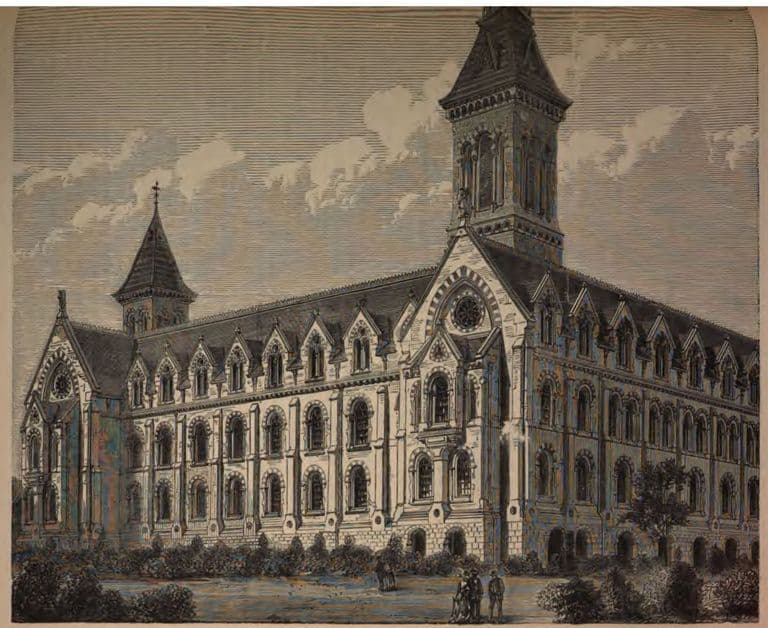 Josiah Mason’s Orphanage, ErdingtonLost, Site redeveloped · 1860–1964Josiah Mason’s great orphanage on Bell Lane, now Orphanage Road: a towered brick building for up to 500 children, paid for and endowed entirely by the pen maker. It opened in 1868 and was demolished in 1964. Mason Cottages stand on part of the site.
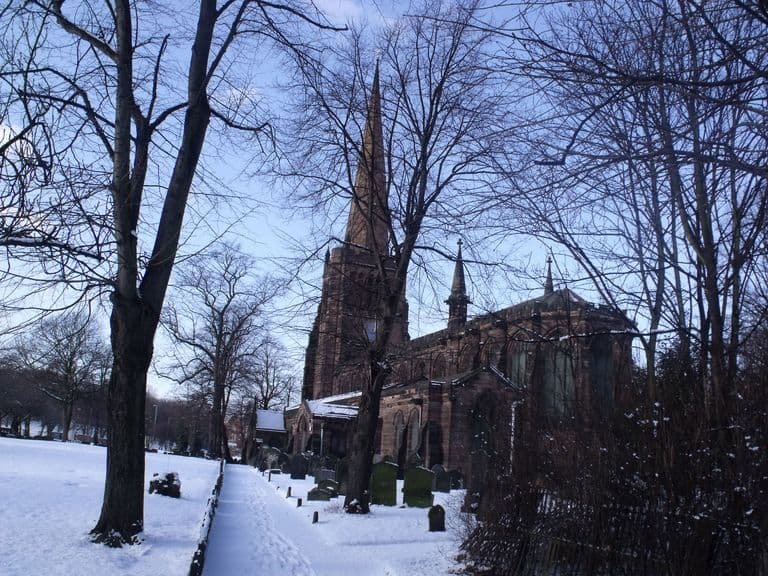 Aston Parish Church (St Peter and St Paul)Surviving, Surviving but altered, At risk · c. 1086The mother church of the vast old parish of Aston, beside Aston Hall. Its 15th-century tower survives; the rest was rebuilt in 1879–90 by J. A. Chatwin. It holds effigies of the de Erdingtons and the Holtes. Grade II*, it is on Historic England’s Heritage at Risk Register.
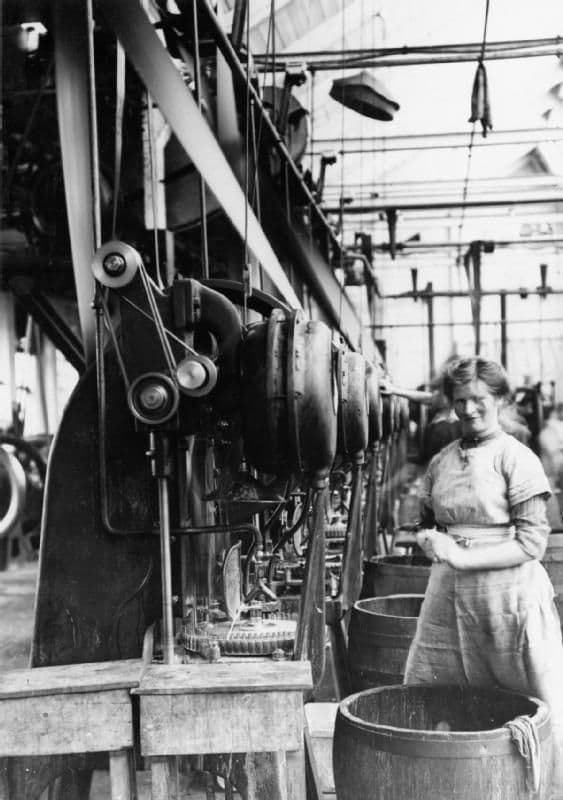 Kynoch’s Lion Works, WittonLost, Site redeveloped · 1861–c. 2003An ammunition works licensed at Witton in 1861 after a deadly explosion in the town, run by George Kynoch from 1862. It grew into Kynoch Ltd, then ICI’s and IMI’s metals works. Most buildings were demolished after 2003; a war memorial still stands by the main gate.
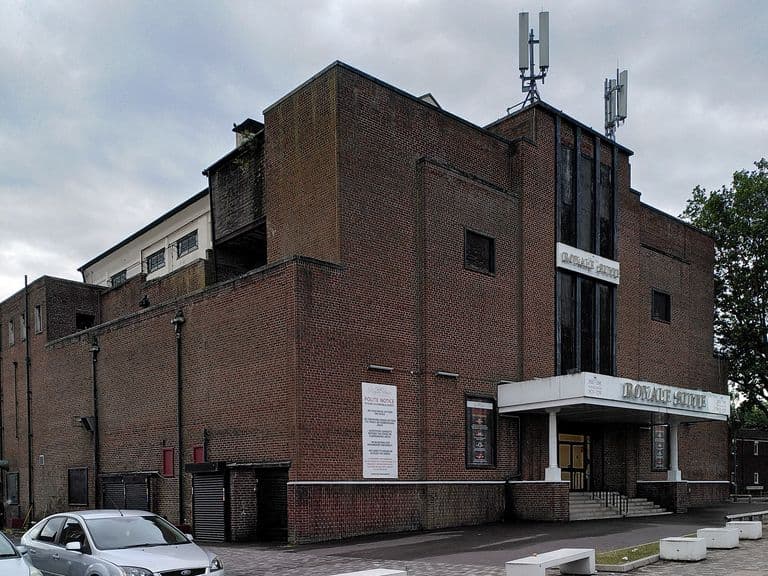 Odeon, Birchfield Road, Perry BarrSurviving, Surviving but altered · 1930The first cinema to carry the name Odeon, opened by Oscar Deutsch on Birchfield Road in 1930. It closed as a cinema in 1969 and became a bingo hall and then a banqueting suite. The building survives, much altered.
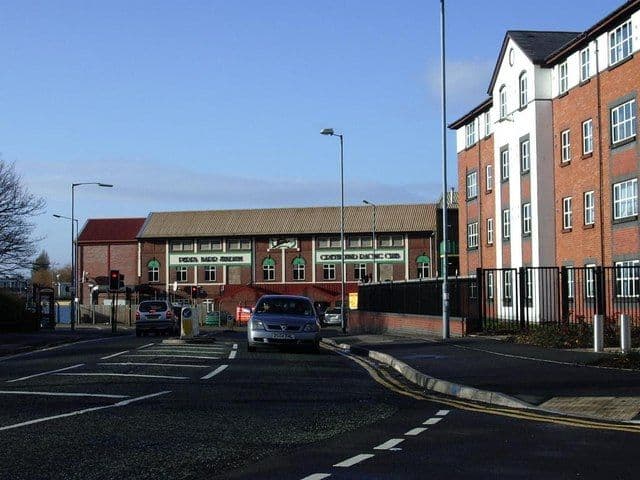 Perry Barr Stadium (Alexander Sports Ground)Lost · 1929–2025Birchfield Harriers’ athletics ground opened on Aldridge Road in 1929. Diane Leather ran the first women’s sub-five-minute mile here in 1954. Later a greyhound and speedway stadium, it closed in August 2025 and was demolished that October.
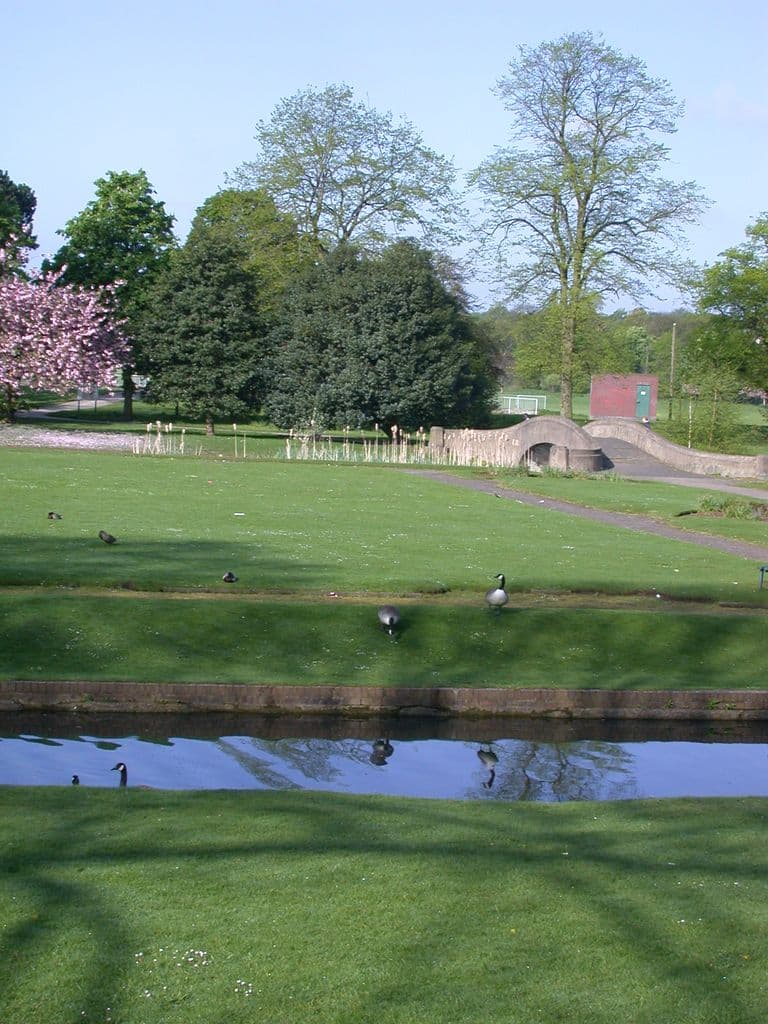 Perry Hall, Perry BarrLost, Partly surviving · lost c. 1929The moated home of the Gough family, later the Lords Calthorpe, whose Perry Hall estate owned the farms that became Kingstanding. The estate was sold off from 1921 and the hall demolished in the late 1920s. Its moat survives in Perry Hall Park.
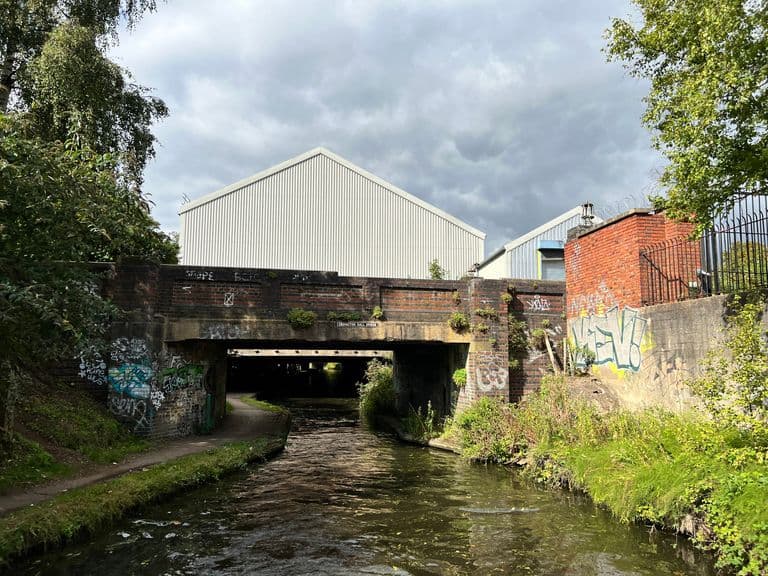 Erdington HallLost · c. 1660–1912The moated seat of the de Erdington family, rebuilt in brick with Dutch gables in the 17th century. Still lived in in 1908, it was demolished in 1912 when Tyburn Road was built. No remains are visible, but Erdington Hall Road and Erdington Hall Bridge keep the name.
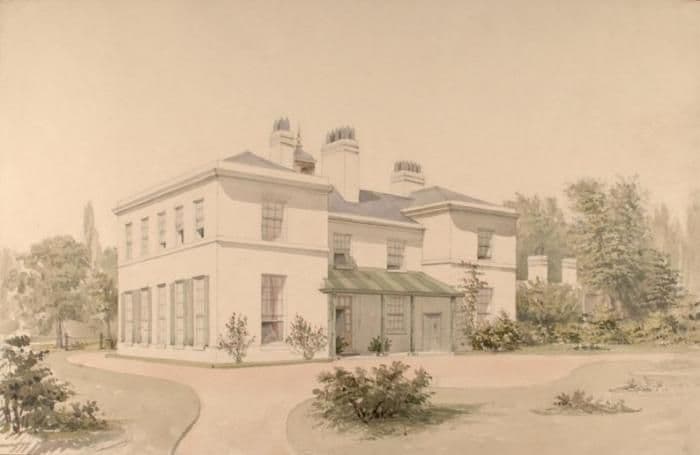 Heathfield HallLost, Site redeveloped · c. 1790–c. 1927James Watt’s home in Handsworth from 1790 until his death there in 1819, with his famous garret workshop. Demolished in 1927–28 and built over; its lodge on Radnor Road survives with a blue plaque.
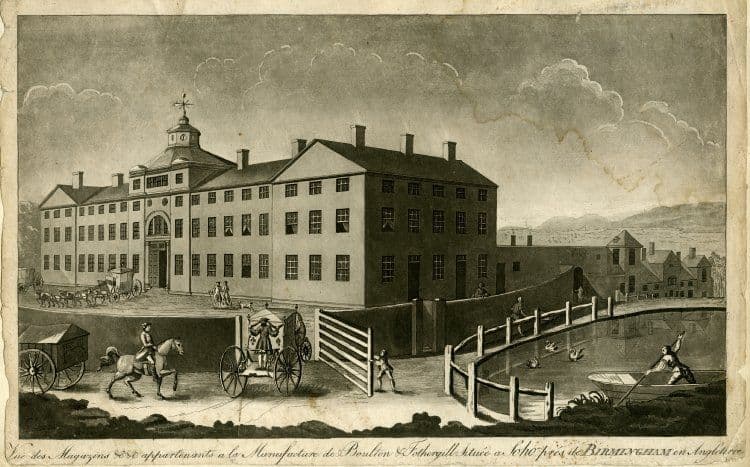 Soho ManufactoryLost, Site redeveloped · c. 1762–c. 1863Matthew Boulton’s great ‘toy’ factory on the Hockley Brook at Soho, Handsworth, where buttons, buckles, plate and ormolu were made and Boulton & Watt’s steam engine partnership began. Demolished in stages and gone by 1863.