
In 1940 the war came to Birmingham from the air. The damage the bombs did shaped what happened to the city’s buildings for decades afterwards.
Some losses were quick and terrible. On the night of 19 November 1940 bombs brought down part of the New Building at the BSA works in Small Heath. According to the BSA Owners’ Club and local histories, 53 workers were killed and 89 injured.
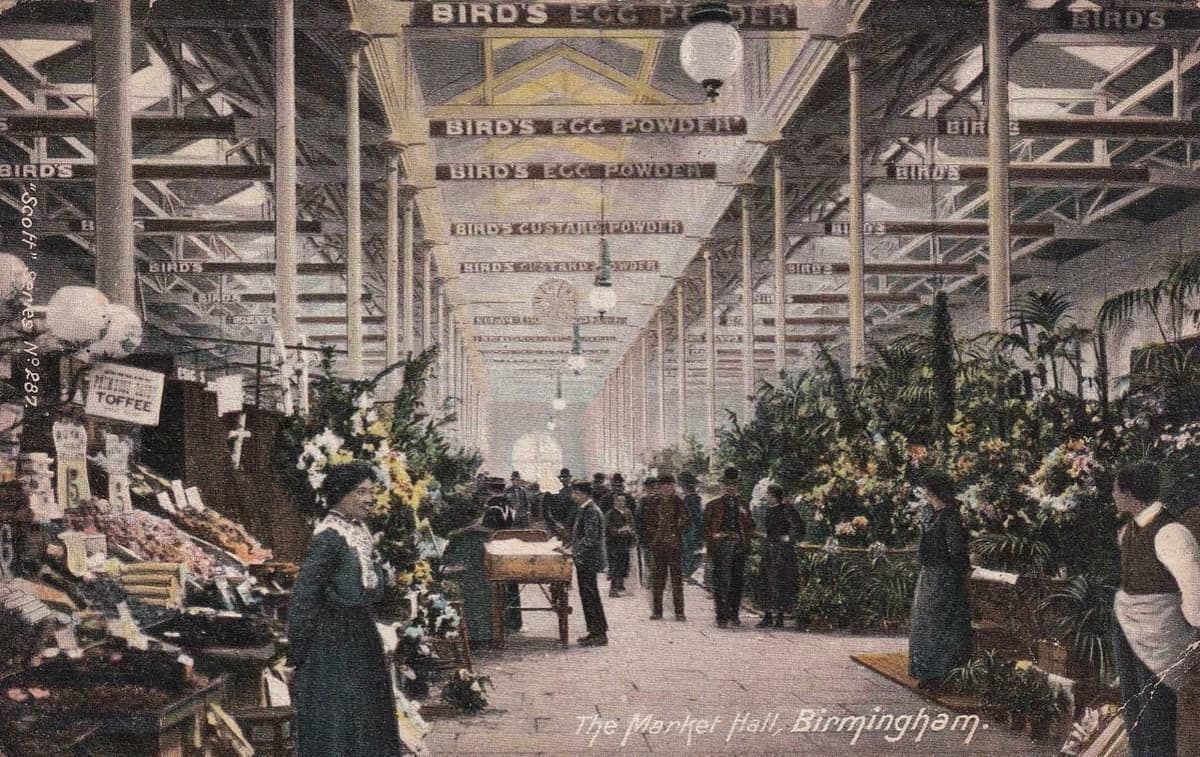
Others were slower. The Market Hall in the Bull Ring was “reduced to a shell by enemy action in 1940”, in the words of the Victoria County History. Yet covered stalls went up inside the walls, and trading carried on in the ruin until it was cleared in the early 1960s.
Some buildings were hit and survived. The old Curzon Street station, by then a goods depot, was struck by an oil bomb and incendiaries. Its 1838 Principal Building still stands, listed at Grade I. At Snow Hill, the refreshment rooms in the former Great Western Hotel carried on until bomb damage in 1940.
This collection brings together the places where the war left its mark, and in some cases decided their fate. It is about buildings, but behind every one of them are people who worked, traded and sheltered there.
The places
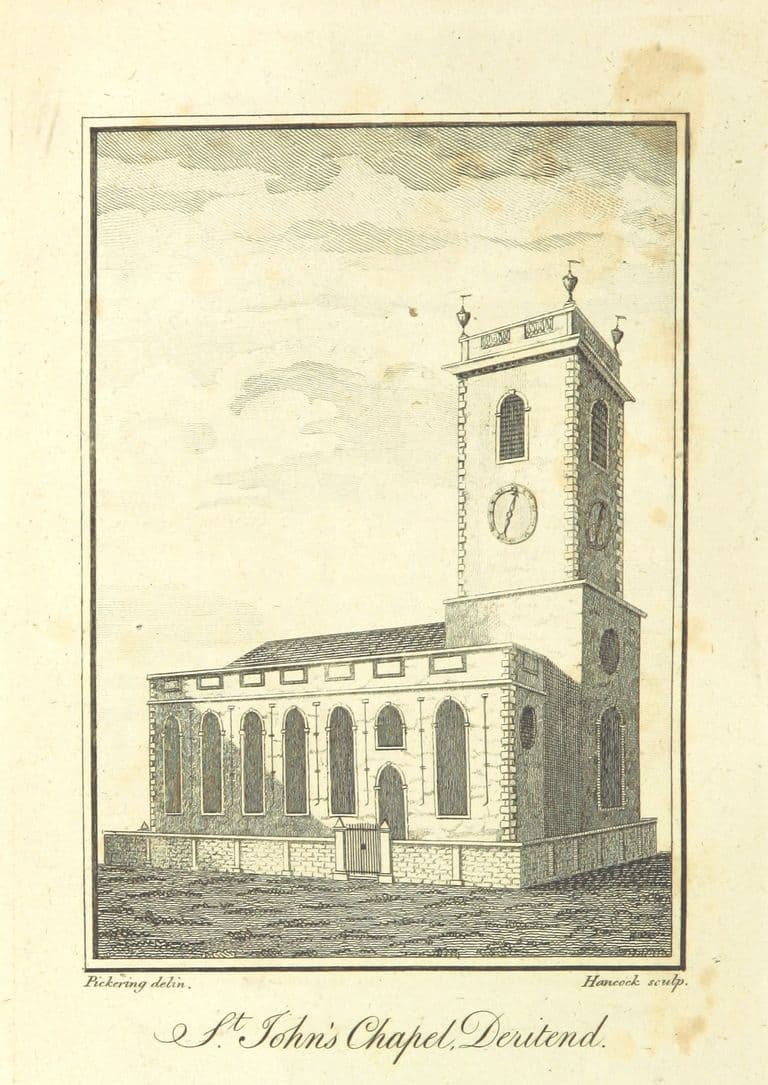 St John’s Chapel, DeritendLost · c. 1381–1947Deritend’s own chapel, built by 1381 so that people across the Rea need not struggle to Aston church. Rebuilt in brick in 1735, it honoured the martyr John Rogers. Bombed in 1940 and demolished in 1947, it lies under High Street Deritend; its bells’ metal hangs in Perry Barr.
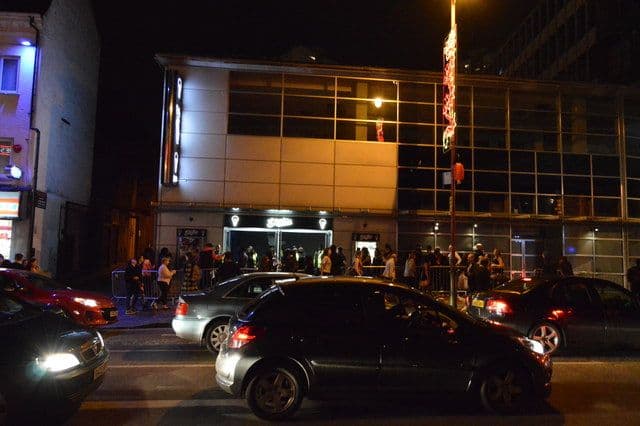 Empire Palace Theatre, Hurst StreetLost, Site redeveloped · 1862–1940Day’s Crystal Palace Concert Hall opened in 1862 at Smallbrook Street and Hurst Street. H. E. Moss rebuilt it to Frank Matcham’s designs as the Empire Palace, a variety theatre for about 3,000, opened in 1894. Incendiary bombs gutted it on 24 October 1940.
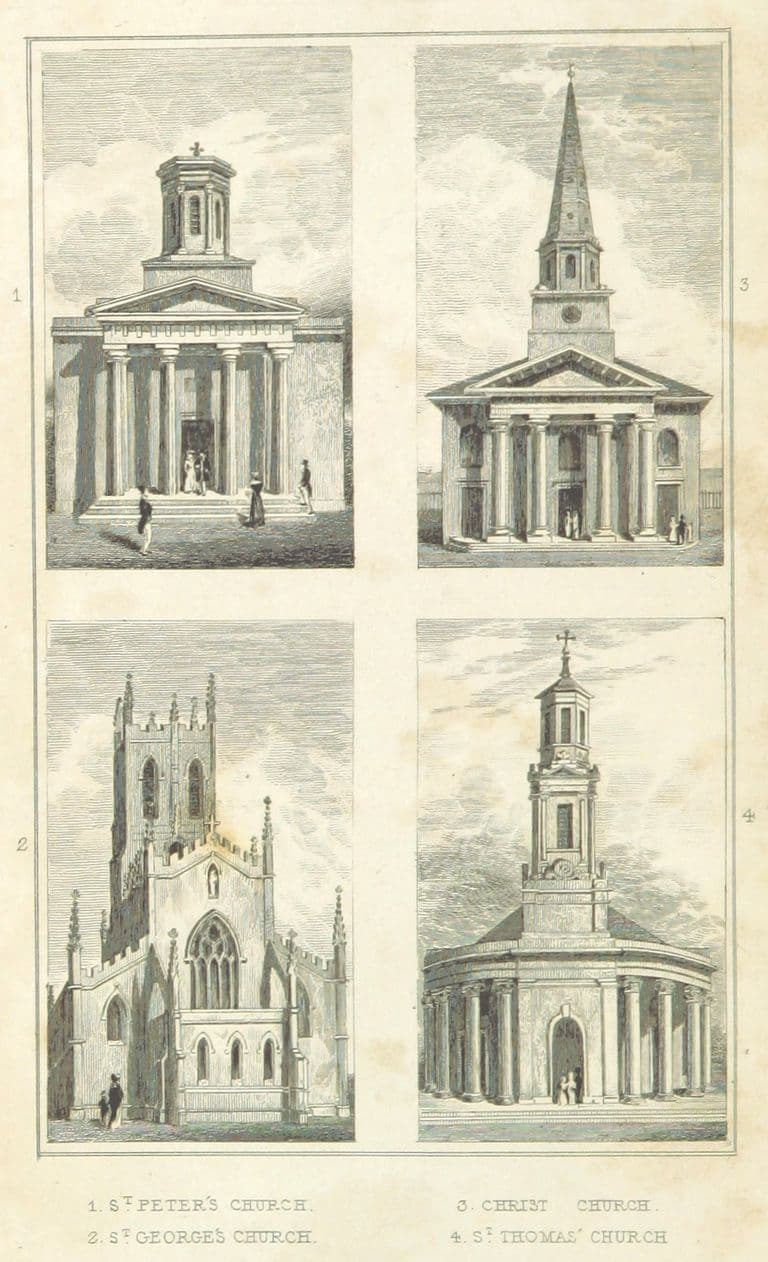 St Thomas’s Church, Bath RowPartly surviving, Lost · 1826–1940Rickman and Hutchinson’s Greek Revival church at Holloway Head, built in 1826–29 with 2,125 seats, 1,500 of them free. Bombing in December 1940 destroyed all but the west front. Its tower and curved Ionic porticos still stand in St Thomas’ Peace Garden off Bath Row.
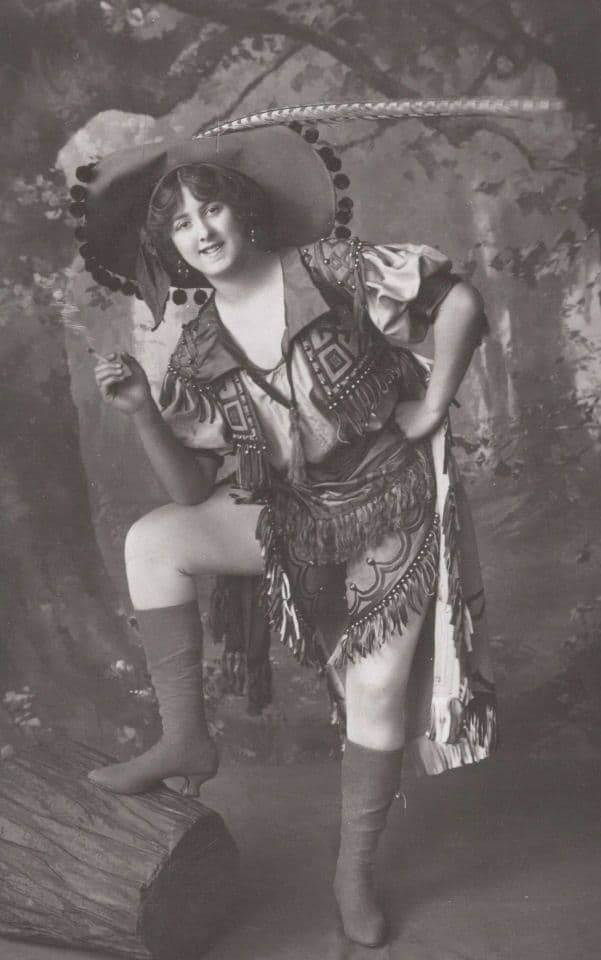 Prince of Wales Theatre, Broad StreetLost, Site redeveloped · 1856–1941Opened on Broad Street in 1856 as the Music Hall, the Prince of Wales was one of Birmingham’s best-loved theatres. A direct hit on 9 April 1941 destroyed its auditorium. It never reopened, and its site became Symphony Hall.
BSA works, Armoury Road, Small HeathLost, Site redeveloped · 1863–c. 1977The Birmingham Small Arms works opened at Small Heath in 1863 to make rifles by machine, then bicycles and motorcycles. Bombs killed 53 workers there in November 1940. The works were demolished in the 1970s; Armoury Road keeps the name.
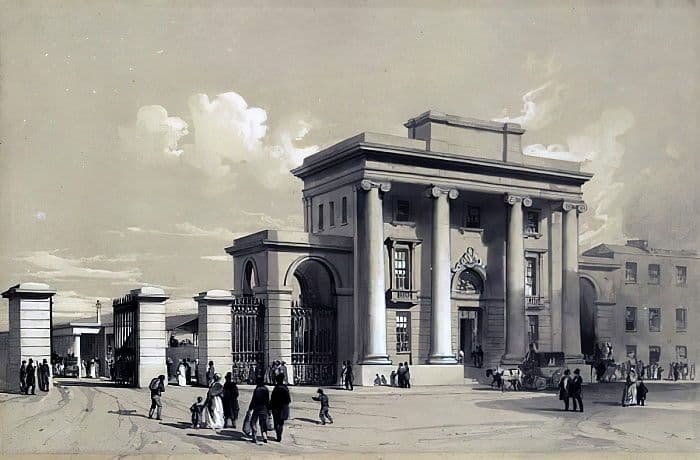 Curzon Street Station (1838)Partly surviving, Surviving but altered, At risk · 1838Philip Hardwick’s Greek Revival terminus of 1838 welcomed the first trains from London. The sheds, hotel wing and roundhouse have gone; the Grade I Principal Building survives, on the Heritage at Risk Register, beside HS2’s new station.
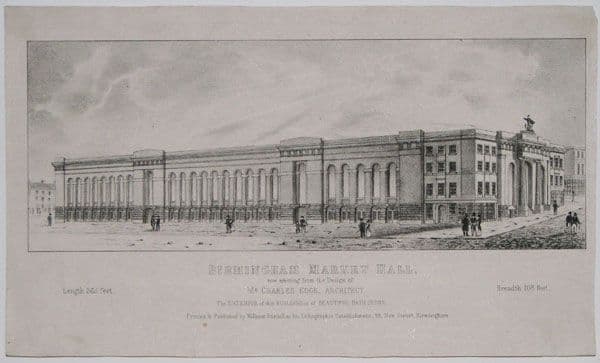 Birmingham Market HallLost, Site redeveloped · 1835–1940Charles Edge’s great covered market opened beside the Bull Ring in 1835. Bombing reduced it to a shell in 1940, yet traders carried on inside the walls until the ruin was cleared in the early 1960s for the Bull Ring Centre.