
Railways remade Birmingham in the nineteenth century, and the twentieth century undid some of what they built.
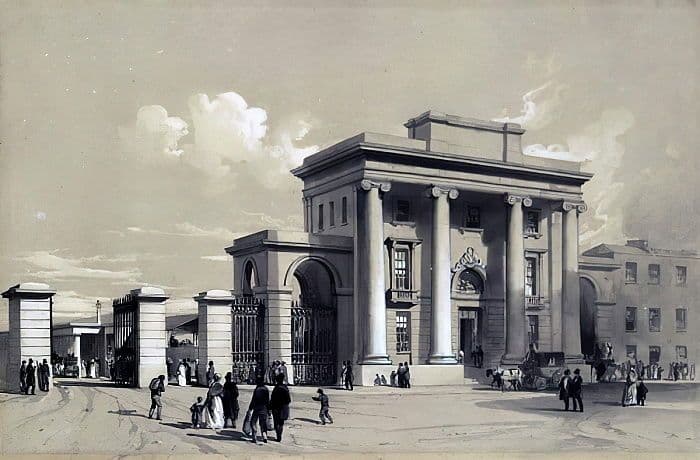
The story begins at Curzon Street. In 1838 the London and Birmingham Railway opened its terminus here, behind Philip Hardwick’s Greek Revival entrance building. Historic England describes it as the terminus of the first long-distance inter-city main line joining London to a major provincial city. Within sixteen years passengers had moved to New Street, and Curzon Street became a goods depot until 1966. The train shed, the hotel wing and the engine roundhouse have gone. The Principal Building survives, Grade I listed and on the Heritage at Risk Register, beside the site of HS2’s new station.
Snow Hill was the Great Western Railway’s answer to New Street. It opened in 1852, was rebuilt in 1871 and again in 1906–12, when it became a grand Edwardian station with vast island platforms and a glazed booking hall. Electrification at New Street drew away its main-line trains in 1967. It closed in 1972 and was demolished from 1976. Then, unusually, the railway came back: a new, smaller Snow Hill station opened on the site in 1987.
Both stations show how quickly railway buildings could be outgrown, and how much survives if you know where to look: a Grade I terminus, a wall with a GWR crest on Livery Street, a listed toilet block in a railway arch.
The places
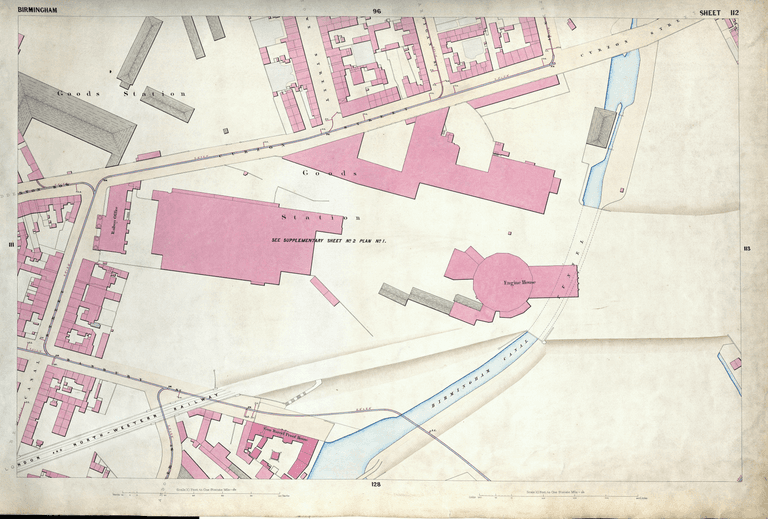 Curzon Street RoundhouseLost · 1837–1860Robert Stephenson’s sixteen-road engine house for the London & Birmingham Railway, in use from 12 November 1837 and demolished in 1860. HS2 excavated it in 2020–21 and reburied it. It is the earliest known railway roundhouse.
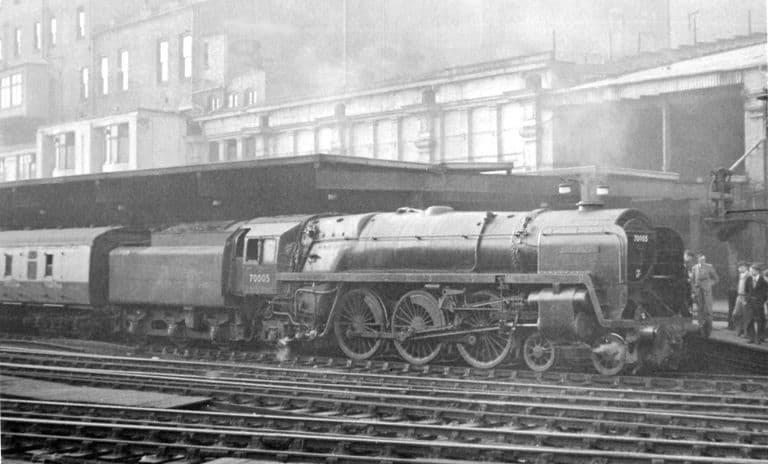 The Victorian New Street StationLost, Site redeveloped · 1854–1964New Street’s Victorian station once had the largest single-span roof in the world. Bomb damage cost it that roof, and in 1964 British Railways demolished the station and the Queen’s Hotel to rebuild for electrification. It was a railway decision, not the council’s.
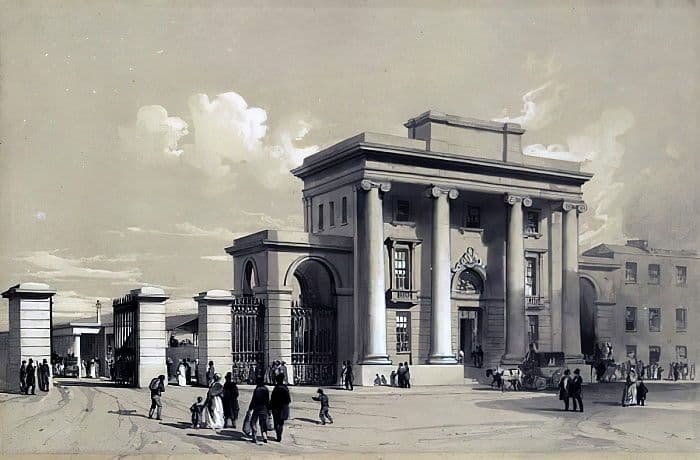 Curzon Street Station (1838)Partly surviving, Surviving but altered, At risk · 1838Philip Hardwick’s Greek Revival terminus of 1838 welcomed the first trains from London. The sheds, hotel wing and roundhouse have gone; the Grade I Principal Building survives, on the Heritage at Risk Register, beside HS2’s new station.
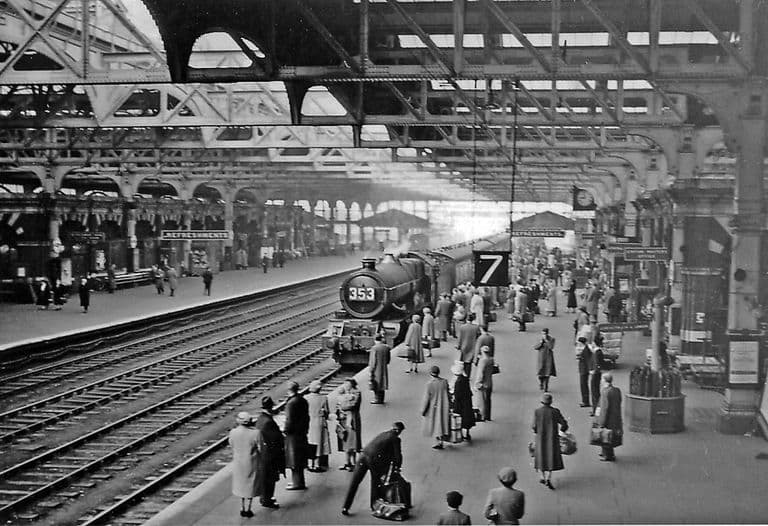 Snow Hill StationLost, Site redeveloped · 1852–c. 1977The Great Western Railway’s Birmingham showpiece, rebuilt three times between 1852 and 1912. Main-line trains left in 1967, the station closed in 1972 and was demolished in 1976–77. A smaller station opened on the site in 1987.