
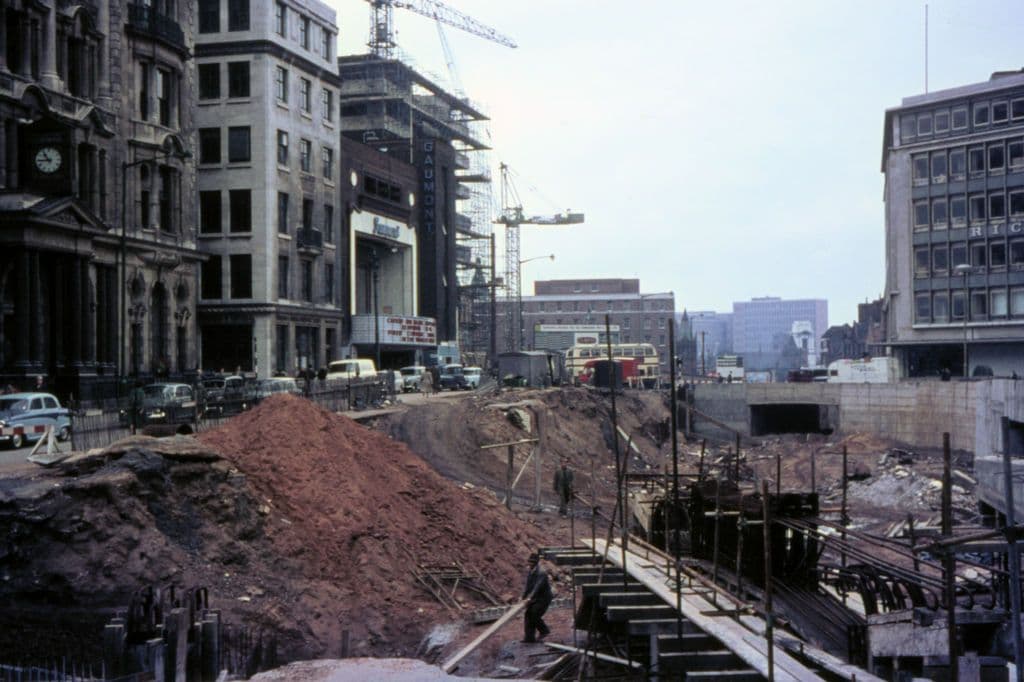
Between the wars new picture palaces went up in Birmingham’s city centre and along the main roads to the suburbs.
The Gaumont Palace at the top of Steelhouse Lane opened in 1931 with about 2,000 seats and a Compton organ. It was the first cinema Gaumont British built from scratch. In the 1960s it was refitted for Cinerama, with a curved screen reported as the largest in the country, and it ran The Sound of Music for more than three years. It closed in 1983 and was demolished in 1986. The Wesleyan headquarters now stands on the site.
Out on Birchfield Road in Perry Barr, Oscar Deutsch opened a Moorish-style cinema in 1930: the first of his cinemas to carry the name Odeon. From that start came a national chain, including the Kingstanding Odeon of 1935. The Perry Barr building closed as a cinema in 1969 and became a bingo hall and then a banqueting suite. It survives, much altered.
Not every story here is one of total loss. The Clifton on Walsall Road, opened in 1938, is now listed at Grade II. But the great age of the single-screen picture palace is over, and the buildings that survive mostly do other jobs. This collection records where Birmingham went to the pictures, and what became of those places.
The places
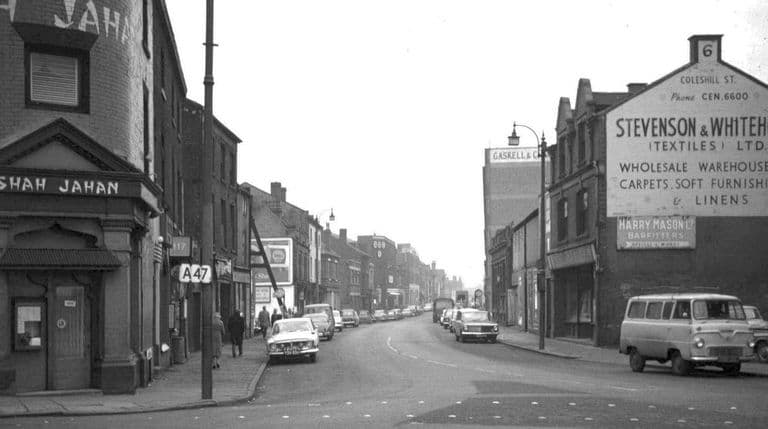 Holder’s Concert Hall and the Gaiety, Coleshill StreetLost, Site redeveloped · 1846–1938Henry Holder opened a concert hall behind his Rodney Inn on Coleshill Street in 1846. As Holder’s, and from 1886 the Gaiety, it was one of Birmingham’s main music halls. It was rebuilt as a variety theatre in 1897, became a cinema in 1920 and was pulled down in 1938.
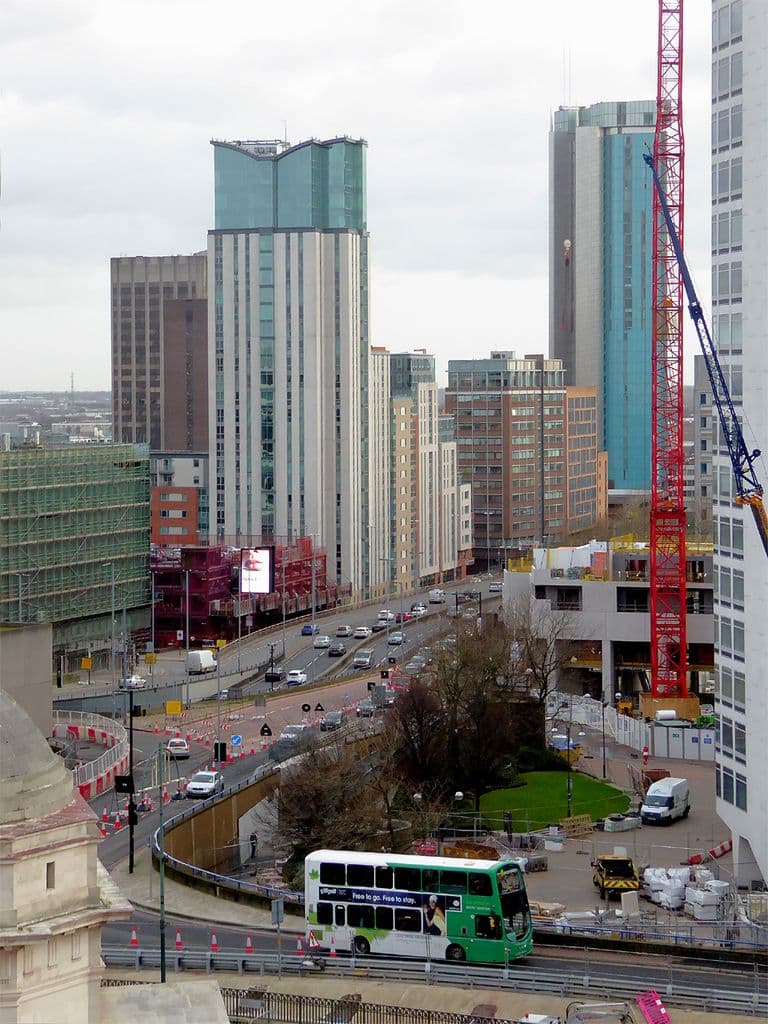 Curzon Hall and the West End Cinema, Suffolk StreetLost, Site redeveloped · 1865–1967Built in 1865 as Curzon Hall for Birmingham’s national dog show, it hosted the city’s first film shows. It became the West End Cinema, much altered in 1925, and closed in 1967. Suffolk Street Queensway and the Aston Place tower now cover the site.
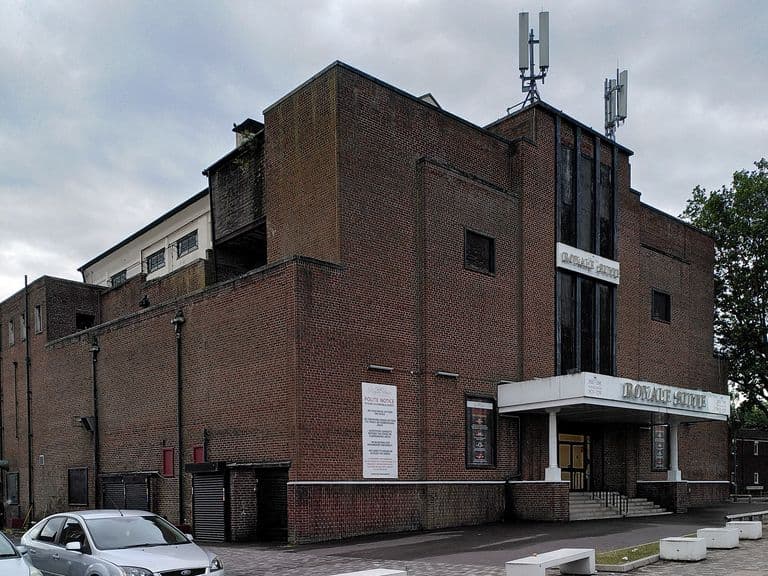 Odeon, Birchfield Road, Perry BarrSurviving, Surviving but altered · 1930The first cinema to carry the name Odeon, opened by Oscar Deutsch on Birchfield Road in 1930. It closed as a cinema in 1969 and became a bingo hall and then a banqueting suite. The building survives, much altered.
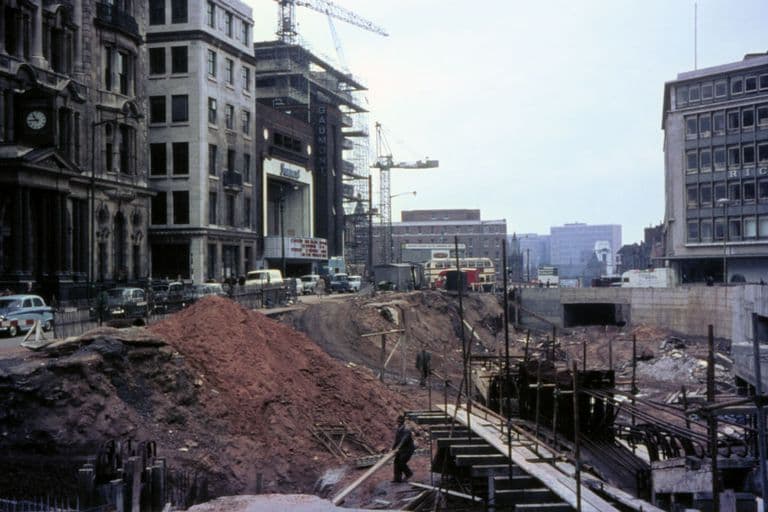 Gaumont Palace, Colmore CircusLost, Site redeveloped · 1931–1986A super-cinema of about 2,000 seats, opened in 1931 at the top of Steelhouse Lane. In the 1960s it housed Cinerama on a vast curved screen and ran The Sound of Music for over three years. It closed in 1983 and was demolished in 1986.