
A sale catalogue for the Great Barr Hall estate, dated 19 October 1911, lists its properties by address. Among them are “Queslett Lodge, Great Barr Hall, Queslett, Birmingham” and “Handsworth Lodge, Great Barr Hall, Great Barr, West Bromwich”. They were two different buildings, at two different gates of the same park. Only one of them survives.
A new drive to Queslett
Great Barr Hall, the Scott family’s house, stands in its park to the west of Queslett. Around 1797 work was carried out there to designs by Humphry Repton and John Nash. In the words of Historic England’s register of parks and gardens, it “included laying out new approaches from the north (Walsall), south (Handsworth), and south-east (Queslett)”. The register goes on: “a further drive was constructed at that time from the south-east corner of the park, where the Queslett Lodge was built c1800.”
The register credits Repton and Nash with the drives. It does not say who designed the lodge, and nothing found so far does.
Where the lodge stood
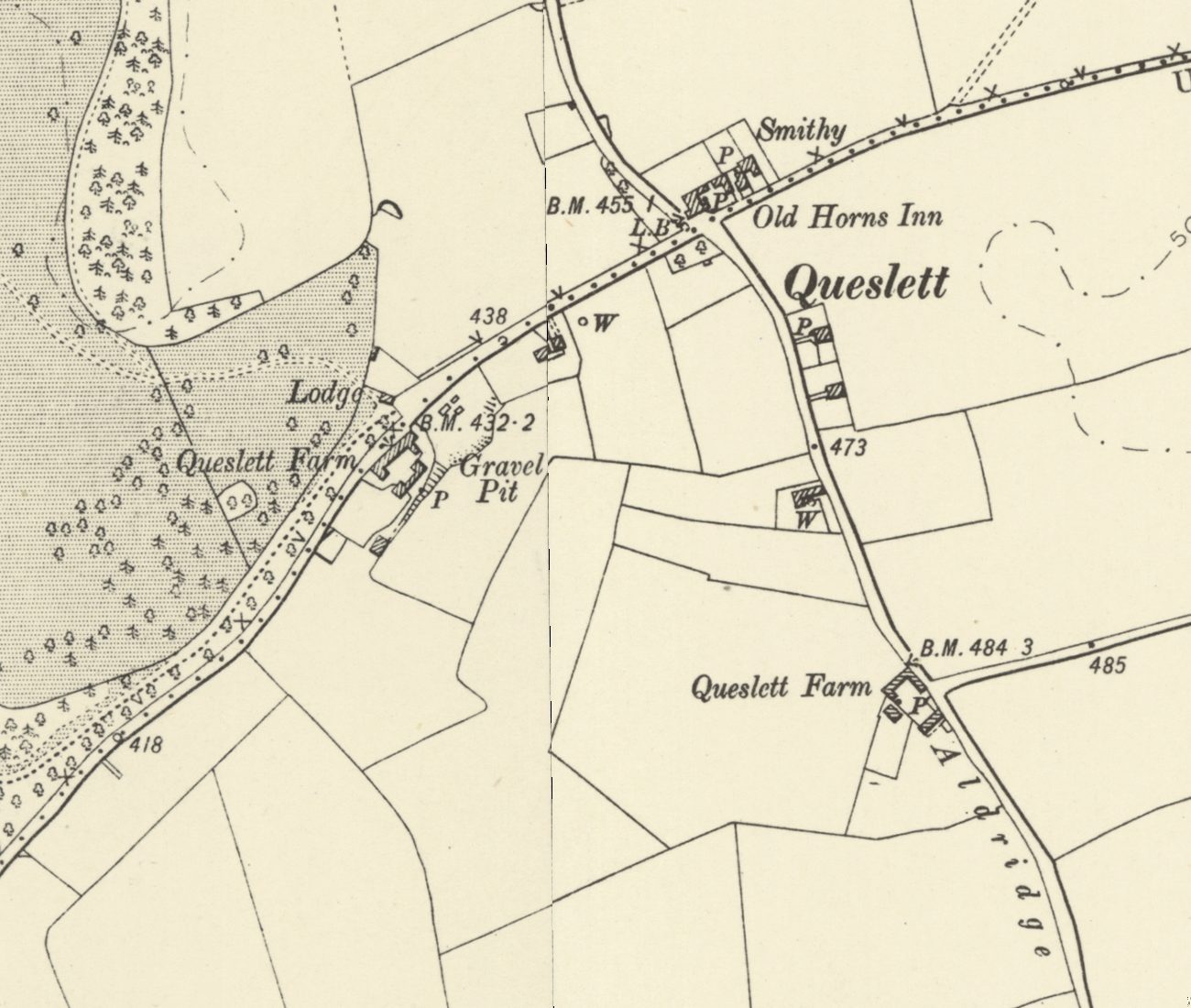
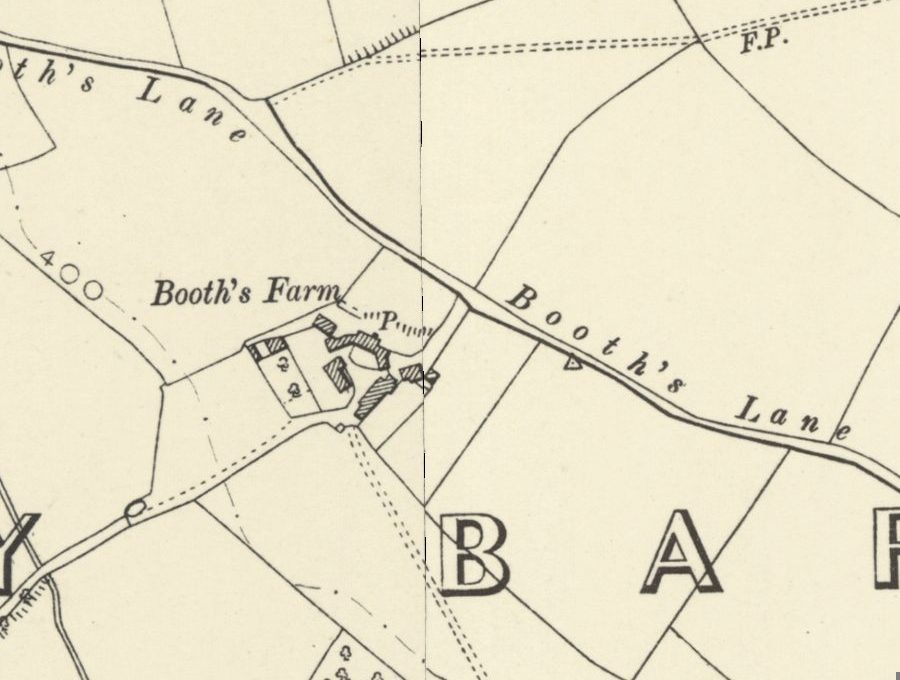
The six-inch maps of the 1880s and of 1901 show a small building marked “Lodge” on the north side of Queslett Road, at the foot of the drive from the south-east corner of the park. The maps call it only “Lodge”, but its place makes it almost certainly Queslett Lodge. Across the road stood Queslett Farm, and beside the farm, by 1901, a gravel pit. About 300 metres to the east were the Old Horns Inn and a smithy.
Read against today’s streets, the map puts the lodge on Queslett Road a little east of Nether Hall Avenue. Other accounts place it a few hundred metres either way; the maps are the best evidence we have. The lodge itself has gone.
Old Queslett
A local historian, F. Penn, described Queslett as “a remote hamlet of a few houses, an inn, and a blacksmith’s forge”. The maps spelled it “Queeslet” until the 1880s, and “Queslett” from 1885.
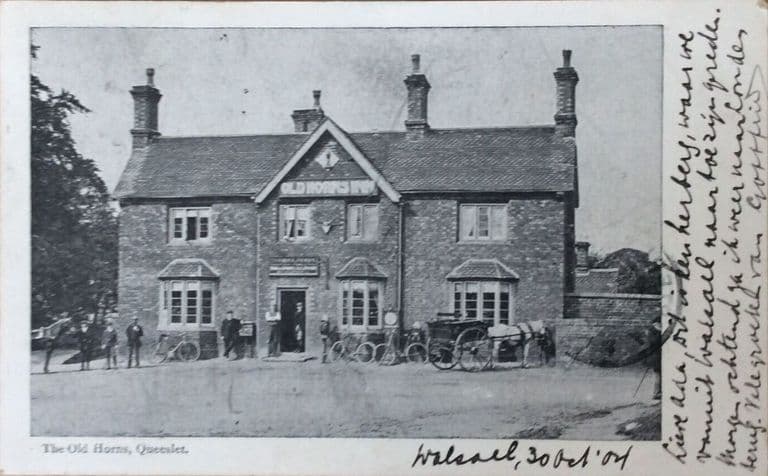
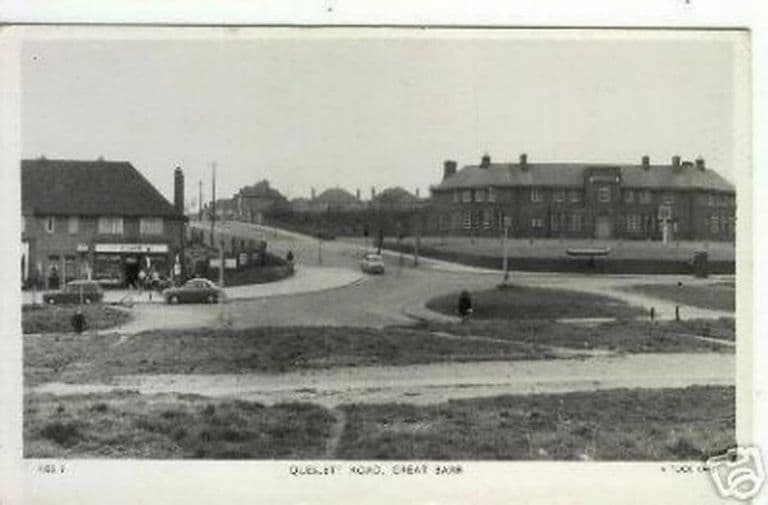
The inn was the Horns. A deed of 1854 mentions “the Horns at Quesletts”, and the maps of the 1880s name it the Old Horns Inn. It was sold in 1898 for £3,650, and in 1912 the licensee was Alfred Smith. The old building was demolished in 1964 and a new pub took its place. The Old Horns roundabout and Old Horns Crescent keep the name.
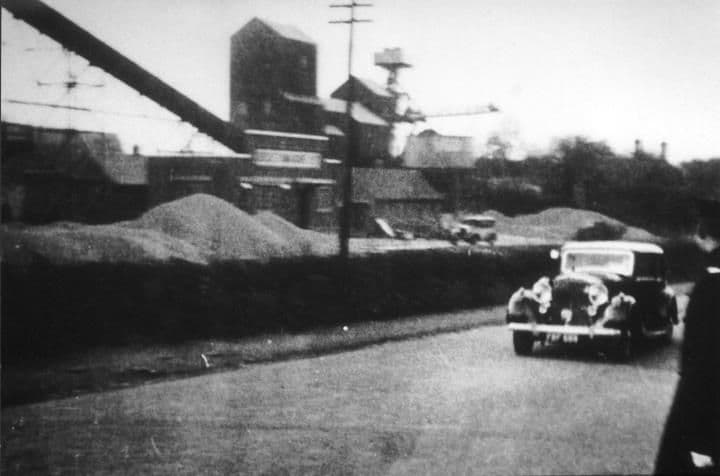
Queslett had two farms of the same name. On the 1901 map one Queslett Farm stands on Queslett Road opposite the lodge, with its gravel pit, and the other on Aldridge Road to the south-east. The directories name the farmers at Queslett: John Gilbert and Thomas Whitehouse in 1858, George Foden and John Ryman in 1875. In 1925 the Geological Survey recorded 25 feet of gravel at Queslett Farm, a sign of the quarrying to come.
The lodge that survives
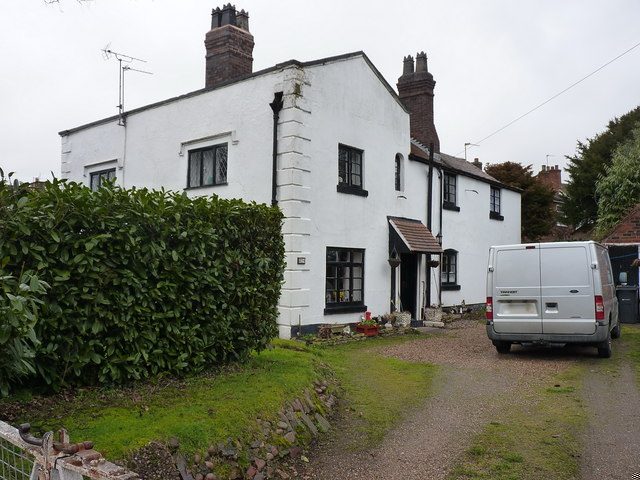
Handsworth Lodge, the lodge on the south approach, still stands further south-west on Queslett Road, in Sandwell. It was listed Grade II on 30 April 1971. The list entry describes a single-storey house of stuccoed brick with a slate roof in the “Gothick” style, its doorway “surmounted by a shield of arms with helmet”, and dates it to the late 18th century. The register of parks, though, calls it “the mid C19 Handsworth Lodge”, and the two have not been reconciled. In 1914 the estate agreed with the South Staffordshire Waterworks Company to supply water to Handsworth Lodge and two cottages near Merrions Wood.
A gate without a gatehouse
Handsworth Lodge shows what a Great Barr Hall lodge could look like. Queslett Lodge survives only as a small square on two old maps — at the gate of a drive laid out for Great Barr Hall more than two hundred years ago, facing a farm, a gravel pit and the road into Queslett.
Pictures
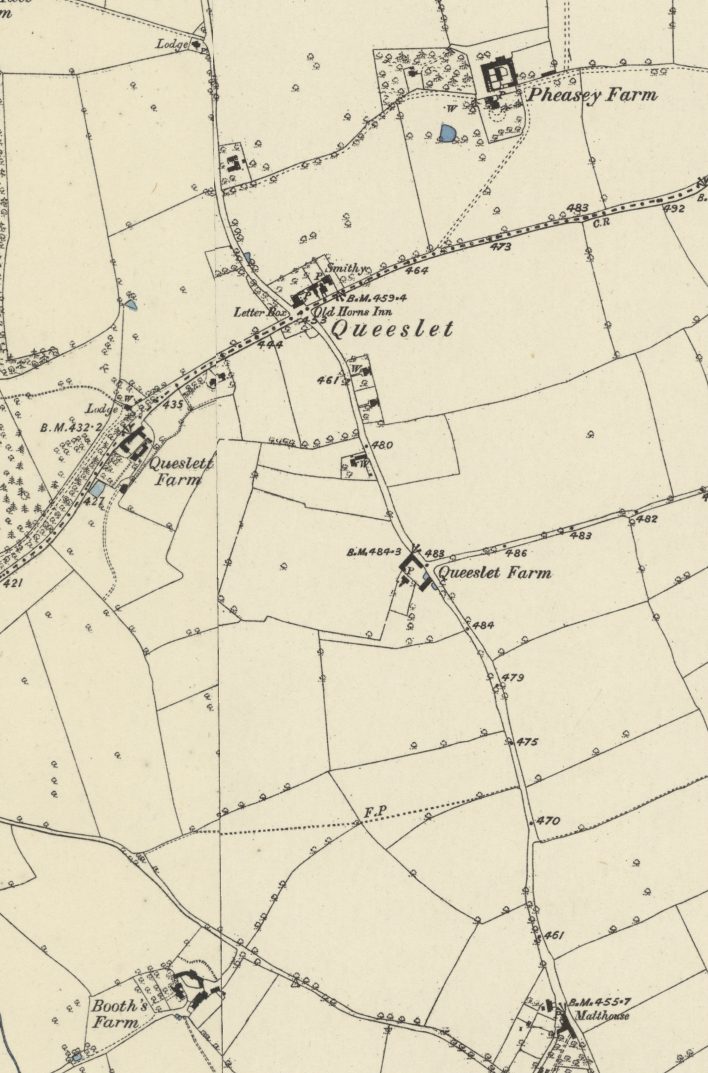
Queeslet in the 1880s: the Lodge, Queslett Farm and the Old Horns InnOrdnance Survey six-inch map, first edition, 1880s · Out of copyright 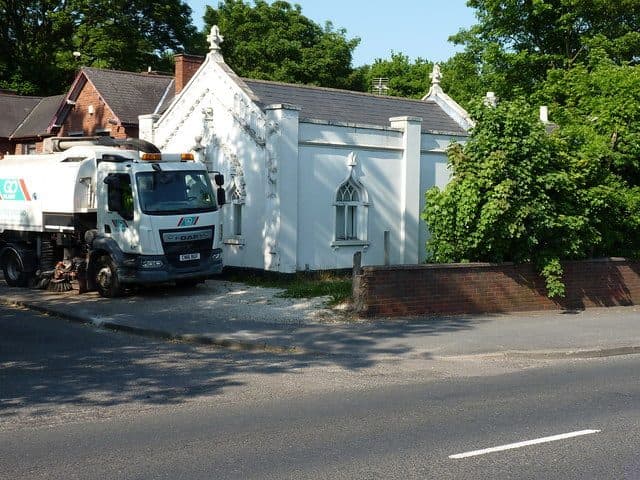
Handsworth Lodge on Queslett Road, the Great Barr Hall lodge that survives (Grade II)Richard Law · CC BY-SA 2.0 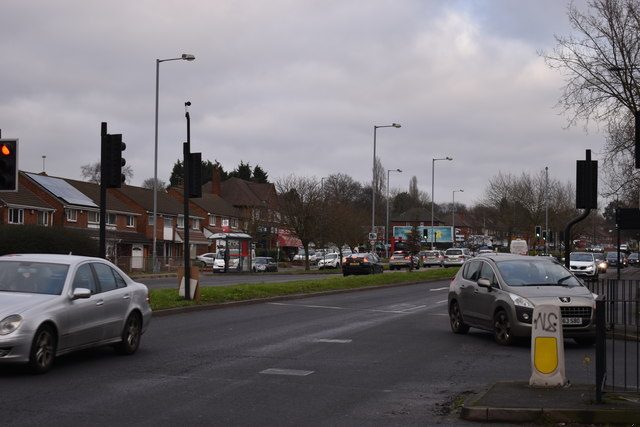
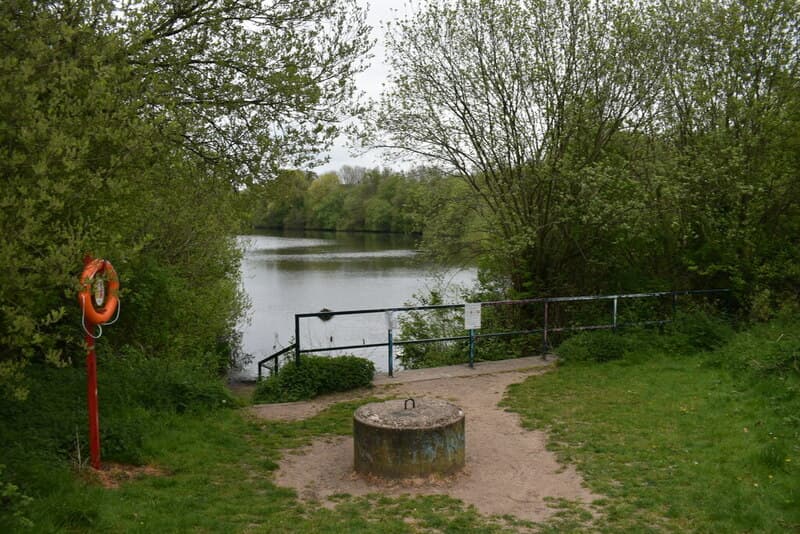
Queslett Road at the Old Horns todayMartin Richard Phelan · CC BY-SA 2.0
From the Heritage Archive
- Great Barr Hall (Register of Parks and Gardens), Grade II — Historic England (text via Parks & Gardens UK), registered 1 Jul 1986. Ref. NHLE 1001202. Repton and Nash approaches c. 1797; “the Queslett Lodge was built c1800”; calls Handsworth Lodge “mid C19”. Does not name the lodge’s designer.
- The Great Barr Hall Estate, Staffordshire (sale catalogue) — Historic England Archive, 19 Oct 1911. Ref. SC00946. Catalogue entry only: Queslett Lodge, Handsworth Lodge, Queslett Cottage and Brook Cottage as separate addresses.
- Handsworth Lodge (list entry), Grade II — Historic England (text via britishlistedbuildings.co.uk), listed 30 Apr 1971. Ref. NHLE 1077125. “House. Late C18. Stuccoed brick with slate roof. Gothick style. Single storey … formerly a lodge to Great Barr Hall.”
- Agreement with South Staffordshire Waterworks Co. to supply Handsworth Lodge and two cottages near Merrions Wood — Walsall Archives, 1914. Ref. 178/2/90. Catalogue entry only.
- Ordnance Survey six-inch maps, first and second editions — Ordnance Survey, 1880s; revised 1901. Ref. Staffs LXVIII.NE, LXIX.NW. “Lodge” opposite Queslett Farm; Gravel Pit (1901); Old Horns Inn and Smithy; Queeslet/Queslett spellings.
- Conveyance mentioning “the Horns at Quesletts” — Library of Birmingham, 1854. Ref. MS 3145/58/21. Catalogue entry only.
- The Old Horns Inn, Queslett, Staffordshire — F. Penn, Transactions of the Lichfield and South Staffordshire Archaeological and Historical Society vi, 1964–65. Ref. p. 20. “A remote hamlet of a few houses, an inn, and a blacksmith’s forge”; demolition 1964. Read as a snippet.
- Brewers’ Journal; Brewing Trade Review — 1898; 1964. Old Horns sold for £3,650 (1898); demolition (1964). Snippets.
- Kelly’s Directory of Staffordshire, p. 887 — Kelly’s, 1912. “Horns, Alfred Smith, Queslett, Great Barr”.
- Trade directories: Dix 1858 (p. 674); White 1875 (p. 762) — University of Leicester Special Collections, Historical Directories, 1858; 1875. Queslett farmers Gilbert and Whitehouse (1858); Foden and Ryman (1875).
- The Geology of the Country around Birmingham (memoir) — Geological Survey, 1925. 25 feet of gravel at Queslett Farm.
Comments
Comments will load here.