
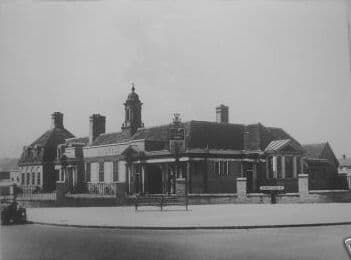
For most of its life the College Arms was simply the big pub at the Warren Farm end of the estate, on College Road. The people who drank there remember it for whippets racing out the back, bets slipped to a man sitting on the wall, and singing round the piano at the weekend.
Whippets and a man on the wall
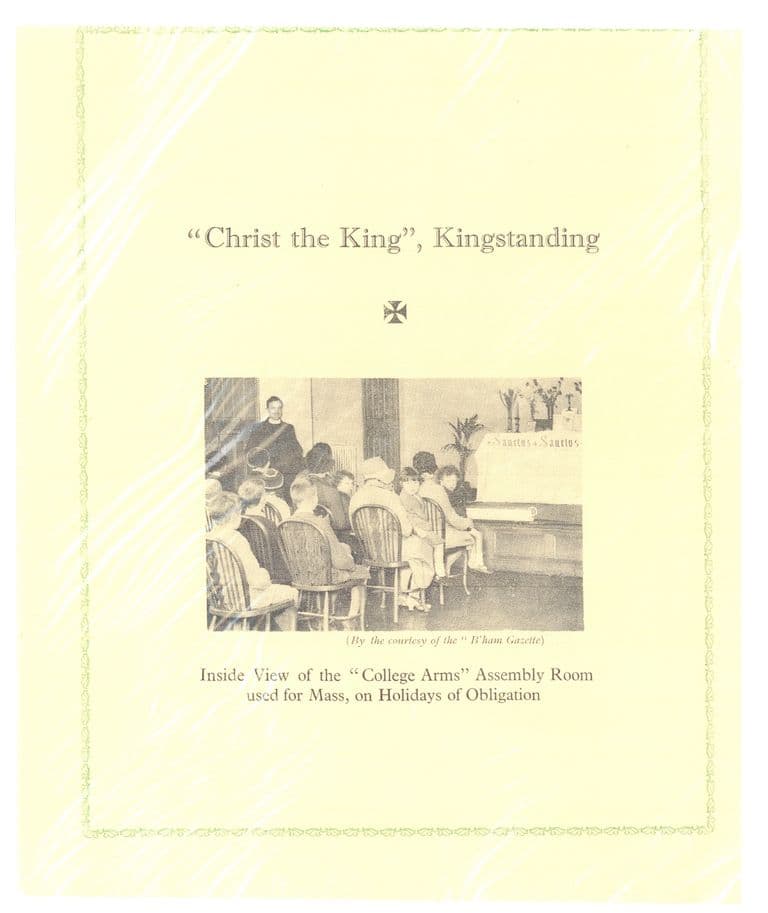
The pub went up with the estate in the 1930s. For a while it served the new parish too: the photograph archive of Christ the King, published on Voices of Kingstanding, begins with the church’s early days in the College Arms “assembly room”.
Behind the pub ran a narrow track where whippets raced. Jennifer Conner remembered it, and that “the land was sold there are flats there now.” Dorothy Capewell’s father sent her with his bets wrapped around the money, to be handed to “a man on the wall at the College Arms”. She only understood later what she had been carrying. Of the whippets she wrote: “it seemed like number 6 always won.”
Children fetched the Sunday beer. Avril Jarvis, who lived across the road, went to the “outdoor” for her mother’s bottle of Nut Brown Ale, a penny back on the empty. Linda Sanday’s grandfather, Samuel Wright of Brackenbury Road, had his own seat and his own tankard, and nobody else sat in that seat.
Piano, drums and Guitars Incorporated
Weekend nights were for singing. Alan Howell remembered “happy days at the College Arms when we sang along to piano and drums on Sat/Sun nights.” Jennifer Conner’s mother worked behind the bar in the 1950s, when the landlord, she recalled, was Charlie Hall. In the early 1960s a group called Guitars Incorporated played every Thursday; the singer, Colin, had bleached blond hair and a lurex suit.
The night of the shooting
On the night of Thursday 14 November 1957 Harold Cunningham was locking up the College Arms when a customer he had refused to serve, and put out earlier that evening, came back with a gun. Harold was shot at the door. It was, Dorothy Capewell remembered on Voices of Kingstanding, “the first time that we (I) had ever known of such an enormous crime in our area.” An account posted on Voices of Kingstanding says the gunman was convicted at Birmingham Assizes and later reprieved.
Harold’s family have kept his name alive on the site. His granddaughter Rachel Cunningham wrote that her father Robert was about twelve, that the police took the bullet-holed door away as evidence, and that the family believe Harold pushed his wife Nelly out of the way. Rachel remembers her grandparents running the pub; other accounts call Harold the barman.
From the Opera House to McDonald’s
The pub carried on. Maggie remembered her father working there in the 1970s “when it was run by Mary (Mac) Mcdonald”. Near the end it was renamed the Opera House for a short while, Steve Jephcott remembered, and then “mac Donald’s took it over”. A McDonald’s trades on the site today.
Harold and Nelly Cunningham lie, Rachel says, in the cemetery just across the road. Sixty-five years after that November night their granddaughter wrote that she was proud to be a Cunningham, and would keep her grandad’s name alive. On Voices of Kingstanding, she has.
Then and now
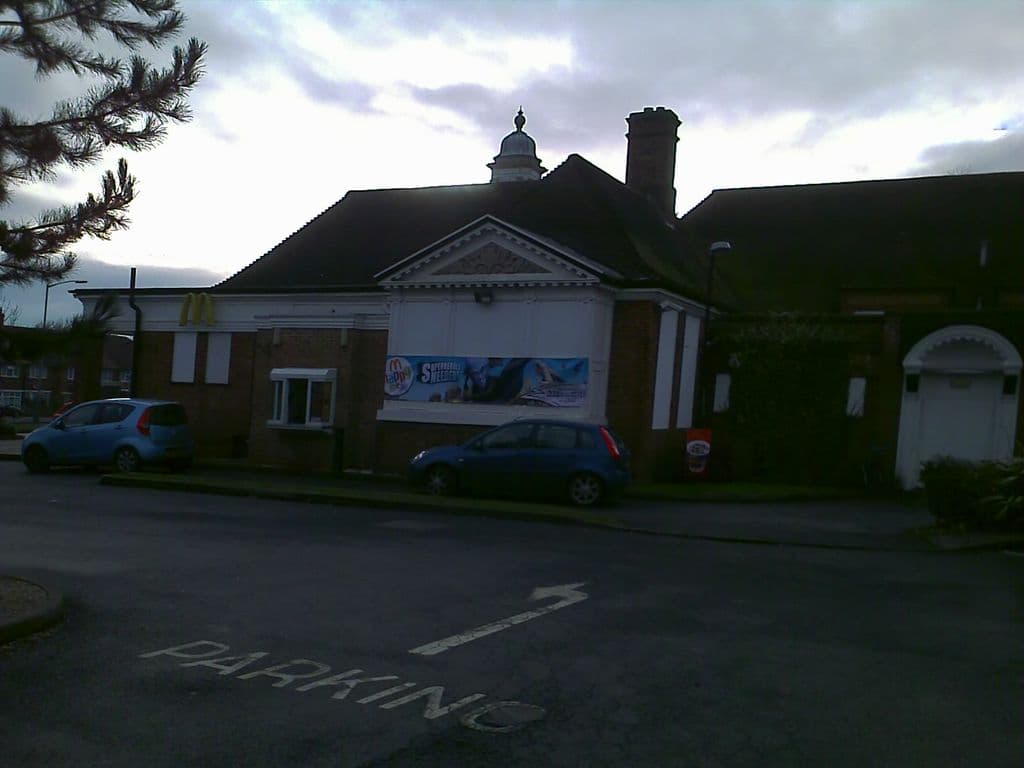
The College Arms, 1930s and 2010
In the early 1930s the College Arms’ assembly room doubled as a church for the new Christ the King parish. The building with its little domed cupola survives on College Road — as a McDonald’s.
The College ArmsThe 1930s pictureThe 2010 picture
1930s: Photo: Birmingham History Forum (“out of copyright”, as credited on Voices of Kingstanding). Reproduced via Chris Hillcox, Voices of Kingstanding. · 2010: Image reproduced with permission of Chris Hillcox, Voices of Kingstanding.
From the Heritage Archive
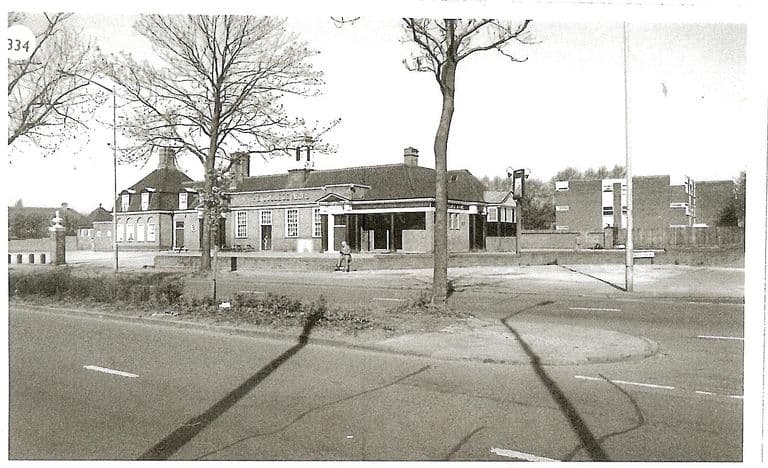
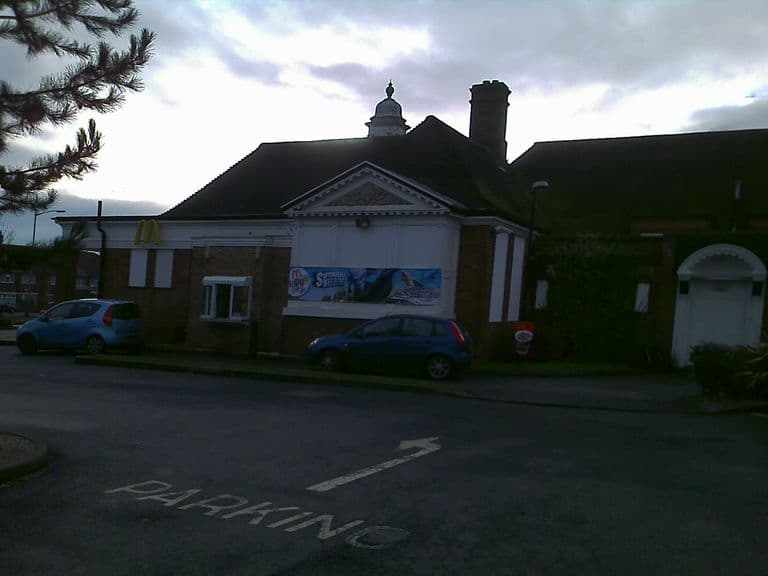
- Voices of Kingstanding: College Arms — Chris Hillcox and contributors, 2010–2025. Page text (Dorothy Capewell on the whippet track) and 122 comments, 2011–2024: Capewell, Conner, Jarvis/Purvis, Howell, Mitchell, Watts, Keeling, Hatfield, Beards, Sanday, Rachel Cunningham, Maggie, Jephcott.
- Voices of Kingstanding: Christ the King church archive published — Chris Hillcox and contributors, 2010–2025. Archive begins with the church’s early days in the College Arms ‘assembly room’.
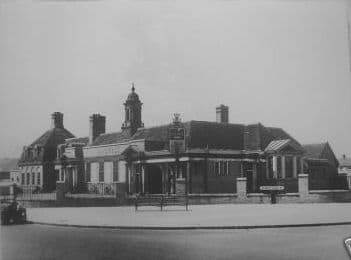
- College Arms, College Road, Kingstanding — Birmingham History Forum, 2010–2026. Photograph ‘shortly after it was built in the 1930s’; later called the Opera House; now McDonald’s; ‘Mrs Mac’.
Comments
Comments will load here.